For a 2004 BMW 5 Series (2.5L) with Check Engine Light and DME/ECM faults, replacement requires ESD precautions and a 0.5-hour relearn. A pre-programmed unit simplifies the process.
Post
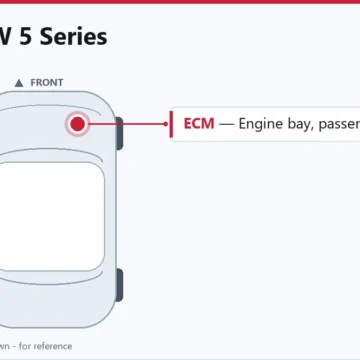

For a 2004 BMW 5 Series (2.5L) with Check Engine Light and DME/ECM faults, replacement requires ESD precautions and a 0.5-hour relearn. A pre-programmed unit simplifies the process.

A failing DME in your 2003 BMW 5 Series 2.5L can cause no-start, stalling, and check engine lights. Reprogramming may not be possible. Learn how a VIN-programmed replacement restores reliable operation.

Symptoms, location, and replacement of the ECM/DME in a 2002 BMW 5 Series 2.5L. Learn about programming challenges, labor times, and how a pre-programmed unit simplifies the repair.

Your 2001 BMW 5 Series may show a check engine light after an Engine Control Module change. Proper replacement avoids lingering faults and restores full performance.
If your 2000 BMW 5 Series shows a check engine light, you may face ECM or PCM issues. Careful diagnosis and proper replacement can prevent costly downtime and keep your vehicle running smoothly.
If your 1999 BMW 5 Series shows a check engine light or ECM faults, understand the risks and outcomes of ECM/PCM repair or replacement for reliable performance.

If the Check Engine Light stays on after a PCM/ECM replacement in a 1998 BMW 5 Series 2.8L, you may need to relearn the Powertrain Control Module. Proper installation prevents performance loss.

Symptoms of a failing ECM or PCM in a 1997 BMW 5 Series 2.8L, including check engine light and stored faults. Learn about replacement, programming cautions, and pre-programmed options.
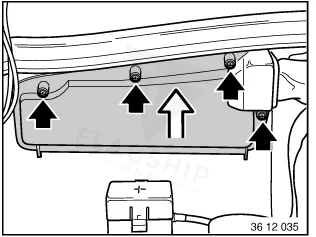
If the check engine light is on in your 1995 BMW 5 Series, remember to turn off the ignition when handling the ECM. Proper removal and VIN‑programmed replacement can restore engine monitoring.
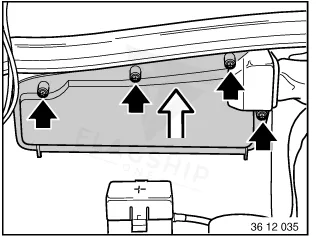
1994 BMW 5 Series with a 2.5L engine may show no-start, stalling, or Check Engine Light issues. Learn ECM replacement cautions, labor time, and how to avoid static damage during service.