
Last updated on August 25th, 2026 at 02:45 pm
The Engine Control Module (ECM) in your 1994 BMW 5 Series manages fuel injection, ignition timing, and emissions systems. Failures may cause hard starting, poor performance, or complete engine shutdown due to internal circuit degradation or connector corrosion.
If your 1994 BMW 5 Series with the 2.5L engine begins stalling unexpectedly or refuses to start, the Engine Control Module (ECM) may be at fault. This small but vital computer interprets sensor data to optimize fuel delivery and ignition timing. Over time, heat cycles and voltage fluctuations can degrade its internal components, leading to erratic behavior. Replacing the ECM involves more than swapping a part—proper handling and post-install procedures are critical to avoid damage or drivability issues. Understanding the role of this module, where it’s located, and what to expect during replacement helps you make informed decisions about repairs. Whether you’re diagnosing a no-start condition or planning preventive maintenance, knowing these details ensures your vehicle remains reliable without unnecessary downtime or expense.
The Engine Control Module in your 1994 BMW 5 Series serves as the brain of the engine management system, continuously adjusting fuel injection and ignition timing based on inputs from sensors like the oxygen sensor, throttle position sensor, and crankshaft position sensor. This real-time tuning ensures optimal performance, fuel efficiency, and emissions compliance. When the ECM fails, you may notice symptoms such as rough idling, hesitation under acceleration, or even a complete loss of engine power. The module is particularly sensitive to voltage spikes and static electricity, which is why factory guidelines emphasize careful handling. If replacement becomes necessary, replacement engine computers for the 5 Series are available to restore functionality, but proper installation techniques are essential to avoid introducing new issues. The 2.5L engine in this model relies heavily on the ECM’s precision, so even minor deviations in its operation can lead to noticeable drivability problems.
1994 BMW 5 Series
OEM programmed ECM for your 1994 BMW 5 Series — plug & play, no dealer visit.
Free shipping · Lifetime warranty
In the 1994 BMW 5 Series, the Engine Control Module is located in the engine bay, typically mounted near the firewall or on the passenger-side strut tower. Accessing it requires removing the protective cover and disconnecting the wiring harness. The factory labor time for removing and reinstalling the ECM is 0.5 hours, assuming no additional complications like seized fasteners or corroded connectors. Before handling the module, the ignition must be switched off to prevent voltage surges that could damage sensitive electronics. The module should be placed on a static mat to avoid electrostatic discharge, and the six retaining tabs must be carefully bent upward to release the unit. While the physical replacement is straightforward, ensuring a secure connection and proper sealing of the harness is critical to prevent moisture intrusion, which can lead to intermittent faults or premature failure.
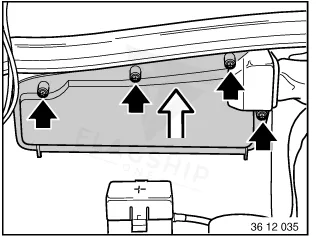
Work with the ignition off, and treat the module as static-sensitive: avoid touching the connector pins at any point.
| Operation | Configuration | Book Time |
|---|---|---|
| Engine Control Module R&R | All configurations | 0.5 hr |
| Powertrain Control Module R&R | All configurations | 0.5 hr |
| Powertrain Control Module Relearn | All configurations | 0.5 hr |
After installing a new Engine Control Module in your 1994 BMW 5 Series, the factory procedure requires a relearn process to synchronize the module with the vehicle’s sensors and actuators. This step, which typically takes 0.5 hours, ensures the ECM adapts to the engine’s specific characteristics, such as fuel trims and idle speed. However, a VIN-programmed replacement unit from Flagship One arrives pre-configured to your vehicle’s specifications, eliminating the need for this additional step. This not only saves time but also reduces the risk of calibration errors that could affect performance. The relearn process, if required, involves driving the vehicle under specific conditions to allow the ECM to recalibrate, but with a pre-programmed unit, you can expect immediate functionality without further adjustments. Proper handling during installation remains essential to avoid static damage or connector issues that could compromise the module’s operation.
A failing Engine Control Module in your 1994 BMW 5 Series may produce a range of symptoms that can be subtle at first but often worsen over time. Common signs include intermittent stalling, especially at idle or during deceleration, as the ECM struggles to maintain stable fuel and ignition parameters. You might also notice poor acceleration or hesitation when pressing the throttle, which occurs when the module fails to adjust fuel delivery correctly. Another frequent issue is a no-start condition, where the engine cranks but doesn’t fire, often due to the ECM failing to trigger the fuel pump or ignition coils. In some cases, the Check Engine Light may illuminate, though this vehicle’s pre-OBD-II system doesn’t store standardized trouble codes like modern vehicles. Instead, symptoms like rough running or misfires may point to internal ECM faults, such as degraded circuitry or failed memory chips. If the module loses communication with the scan tool entirely, it could indicate a complete failure of the unit’s processing capabilities. Addressing these symptoms promptly can prevent further damage to related components, such as the fuel injectors or catalytic converter.
Factory service bulletins for the 1994 BMW 5 Series highlight issues related to the Engine Control Module, particularly when the Check Engine Light illuminates and faults are stored in the DME. These bulletins emphasize thorough inspection of the module’s connectors and wiring harness for signs of corrosion or damage, which can mimic ECM failure. While no specific bulletin numbers are provided, the guidance focuses on verifying power and ground connections before condemning the module itself. If symptoms persist after addressing these areas, replacement may be necessary, but proper diagnosis remains critical to avoid unnecessary part swaps.
| Bulletin | Subject | What It Addresses |
|---|---|---|
| — | Check Engine Light Illuminated, Faults Stored in DME/ECM | — |
Stalling at idle in your 1994 BMW 5 Series may indicate an Engine Control Module issue, particularly if the ECM fails to maintain stable fuel or ignition parameters. Corroded connectors or internal circuit degradation can cause intermittent loss of communication with sensors, leading to sudden shutdowns. A thorough inspection of the ECM and its wiring harness is often the first step in diagnosis.
Yes, a weak or failing battery can contribute to ECM issues in your 1994 BMW 5 Series. Low voltage may prevent the module from initializing properly during startup, leading to no-start conditions or erratic behavior. Additionally, voltage fluctuations can stress the ECM’s internal components over time, potentially causing premature failure. Regular battery maintenance is recommended to avoid these issues.
Distinguishing between an ECM failure and a sensor issue in your 1994 BMW 5 Series requires systematic testing. Start by checking for consistent power and ground at the ECM connector. If those are intact, use a scan tool to verify sensor readings for rationality. If multiple sensors report implausible values simultaneously, the ECM itself may be at fault. However, if only one sensor is problematic, focus on that component first.
Driving your 1994 BMW 5 Series with a suspected bad ECM is not recommended, as the vehicle may stall unexpectedly or fail to restart. The ECM controls critical functions like fuel delivery and ignition timing, so a failure could lead to sudden loss of power, increasing the risk of an accident. If you notice symptoms like stalling or hesitation, have the vehicle inspected promptly to avoid further complications.
Replacing the ECM in your 1994 BMW 5 Series requires basic hand tools, such as a socket set and screwdrivers, to remove the protective cover and disconnect the wiring harness. A static mat is essential to prevent electrostatic discharge during handling. While no specialized tools are typically needed, ensuring the ignition is off and the battery is disconnected can prevent voltage-related damage during the process.
When your 1994 BMW 5 Series requires an Engine Control Module replacement, you have options ranging from a dealer-ordered new unit to a refurbished or aftermarket module. Given the age of the vehicle, a refurbished ECM can offer a cost-effective solution without sacrificing reliability. Flagship One provides units that are pre-programmed to your vehicle’s VIN, eliminating the need for additional relearn procedures and ensuring a seamless installation. Whether you’re addressing a no-start condition or persistent drivability issues, choosing the right replacement can restore your vehicle’s performance and longevity.
Flagship One stocks a refurbished, VIN-programmed PCM for the 1994 BMW 5 Series with a lifetime warranty, free shipping and no core charge. The full BMW 5 Series module lineup covers other engine configurations as well.
The Engine Control Module in your 1994 BMW 5 Series plays a critical role in maintaining smooth operation and reliable starting. If you’re experiencing symptoms like stalling, hesitation, or a no-start condition, addressing the ECM promptly can prevent further complications. With proper handling and a quality replacement, your vehicle can continue to perform as expected. Consider your options carefully to ensure a lasting repair for your 5 Series.