
Last updated on August 25th, 2026 at 11:57 am
The engine control module in the 2017 Toyota Camry manages fuel delivery and ignition timing. When this computer fails, it often causes stalling, no-start conditions, or diagnostic trouble codes like P0606, indicating an internal processor fault that requires module replacement.
When the engine control module fails in a 2017 Toyota Camry, drivers may face frustrating drivability issues or an illuminated check engine light. This computer acts as the brain of your vehicle, orchestrating crucial engine functions. Understanding the replacement process helps you anticipate repair costs and necessary procedures. Replacing this component involves more than simply swapping parts; specific programming steps are mandatory for the engine to run properly. By learning about the required relearn procedures and factory cautions, you can ensure your Camry is serviced correctly. Whether you are a seasoned technician or an informed owner, knowing what the replacement entails prevents unexpected delays and ensures the repair restores full vehicle operation.
The engine control module in the 2017 Toyota Camry directs the air-fuel mixture and ignition timing to maintain optimal performance. It continuously processes data from various sensors to adjust operating parameters, ensuring the 2.5L engine runs efficiently and within emission standards. If this unit begins to fail, your vehicle may experience rough idling, reduced fuel economy, or a complete failure to start. Because this computer is integral to engine operation, a malfunction often disables the car entirely, making prompt diagnosis essential. When diagnosing a faulty unit, technicians often seek replacement ECMs for the Camry to restore proper function. These units serve as direct replacements for the damaged original equipment, ensuring all sensor inputs translate correctly into engine actions. Without a functioning module, the Camry cannot regulate its combustion cycle, leaving you stranded. Proper replacement resolves these drivability concerns and returns the sedan to reliable daily service.
2017 Toyota Camry
OEM programmed ECM for your 2017 Toyota Camry — plug & play, no dealer visit.
Free shipping · Lifetime warranty
In the 2017 Toyota Camry, the engine control module sits beneath the battery tray. To access it, technicians must detach the negative battery wiring to eliminate electrical risk. The factory notes that some systems require initialization once battery power is restored. If removing only the ECM, technicians can leave the battery and the cool air intake duct seal in place. However, full removal requires taking off the duct seal and the battery to reach the module itself. Once exposed, you unplug the two ECM electrical connectors and extract the unit. Labor times reflect this process, with removal and installation typically requiring 0.7 hours. If a reset is needed, the book time is 0.3 hours. These steps ensure safe access to the unit without damaging surrounding components or the vehicle wiring harness.
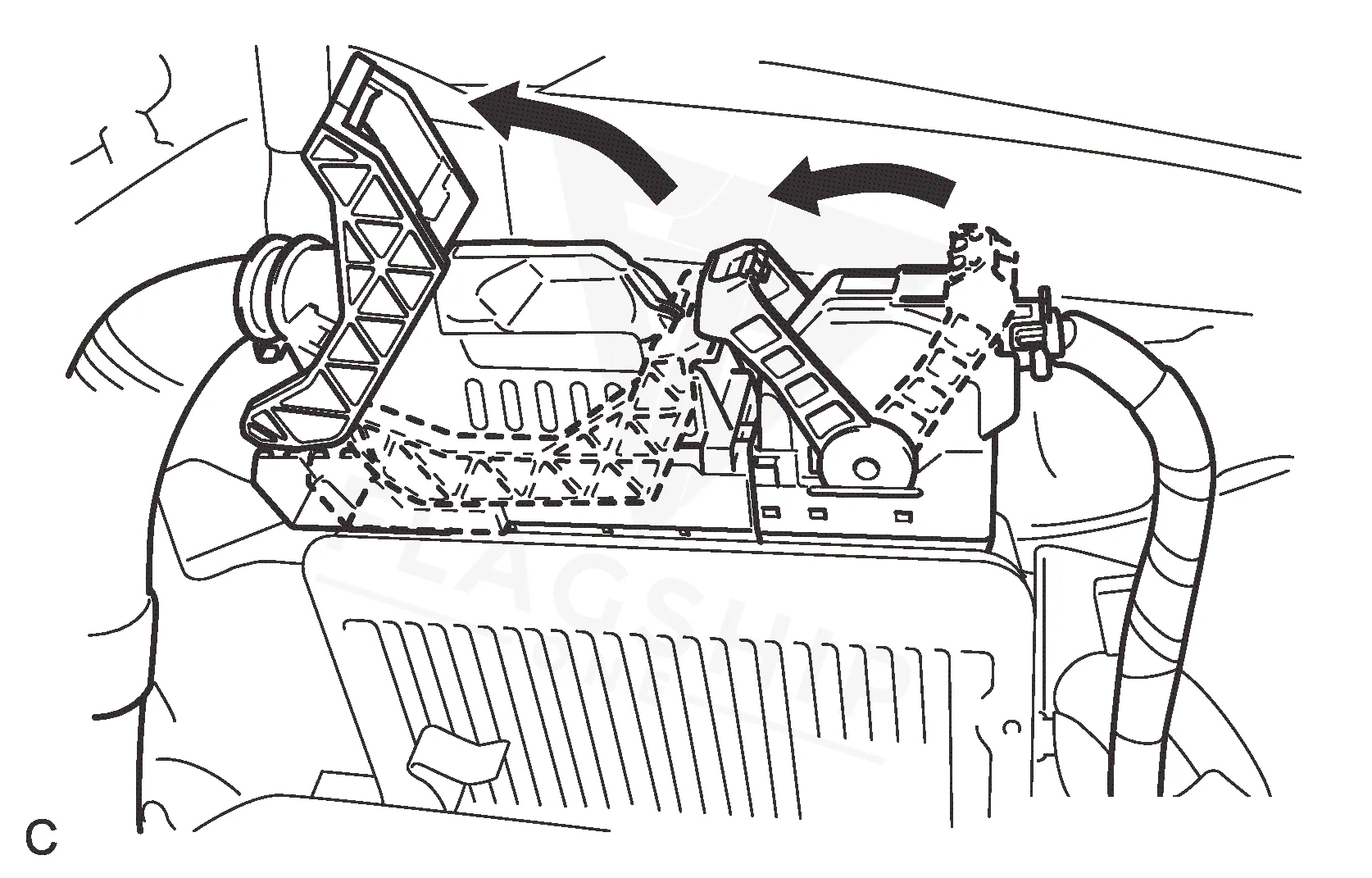
Work with the ignition off, and treat the module as static-sensitive: avoid touching the connector pins at any point.
| Operation | Configuration | Book Time |
|---|---|---|
| Powertrain Control Module R&R | All configurations | 0.7 hr |
| Powertrain Control Module Relearn | All configurations | 0.5 hr |
| Engine Control Module Relearn | All configurations | 0.5 hr |
| Engine Control Module R&R | All configurations | 0.7 hr |
| Engine Control Module Reset | All configurations | 0.3 hr |
Installing a new engine computer in the 2017 Toyota Camry requires specific programming steps before the vehicle will operate. The factory mandates completing a Vehicle Identification Number registration when the module is swapped. Additionally, powertrain and engine control module relearn procedures are often necessary, accounting for 0.5 hours of labor each. These relearn processes allow the replacement unit to memorize the specific operating characteristics of your engine and transmission. Choosing a VIN-programmed replacement unit eliminates the need for these dealership programming steps, as the required data is already flashed into the hardware. This pre-programming ensures your vehicle can start and idle normally immediately after installation, saving significant time and avoiding costly tow bills to a service center.
A failing engine control module in the 2017 Toyota Camry often presents clear drivability warnings. You might notice intermittent stalling, especially at idle, or the engine may crank without starting. Misfire codes are common, as the computer struggles to manage ignition timing effectively. In some cases, your scan tool may fail to establish communication with the vehicle altogether. Transmission shifting irregularities can also occur if the unit fails to coordinate with the transmission controller. Internal processor failures frequently trigger specific diagnostic codes. When the module detects an internal circuit malfunction, it will log ECM processor fault code and illuminate the check engine light. This specific error indicates the computer cannot process data reliably, requiring immediate attention. Addressing these symptoms quickly prevents being stranded and avoids potential damage to other engine components reliant on precise computer control.
Diagnostic trouble codes pointing to internal module failures are definitive indicators that the computer requires replacement. The following table outlines the specific module-related fault documented for the 2017 Toyota Camry, helping technicians pinpoint the exact nature of the electronic malfunction.
| Code | Meaning | Full Guide |
|---|---|---|
| P0606 | Module processor failure | Full P0606 guide → |
Yes. The factory specifies that a Vehicle Identification Number registration must be performed whenever the ECM is replaced. Without this step, the vehicle will not start or run properly.
If you are only removing the ECM itself, the factory indicates it is not necessary to remove the battery or the cool air intake duct seal. However, full replacement procedures often involve battery removal.
The factory warns that disconnecting the battery requires system initialization upon reconnection. Failing to perform these steps may result in erratic idle, transmission shift issues, or lost radio presets.
Deciding between repairing or replacing the engine computer in your 2017 Toyota Camry involves weighing cost against reliability. While local shops might attempt a repair, a refurbished or pre-programmed replacement often provides a more dependable solution. Pre-programmed units bypass the dealership setup process, getting your sedan back on the road faster. Explore quality replacement options to ensure your vehicle receives a fully functional module.
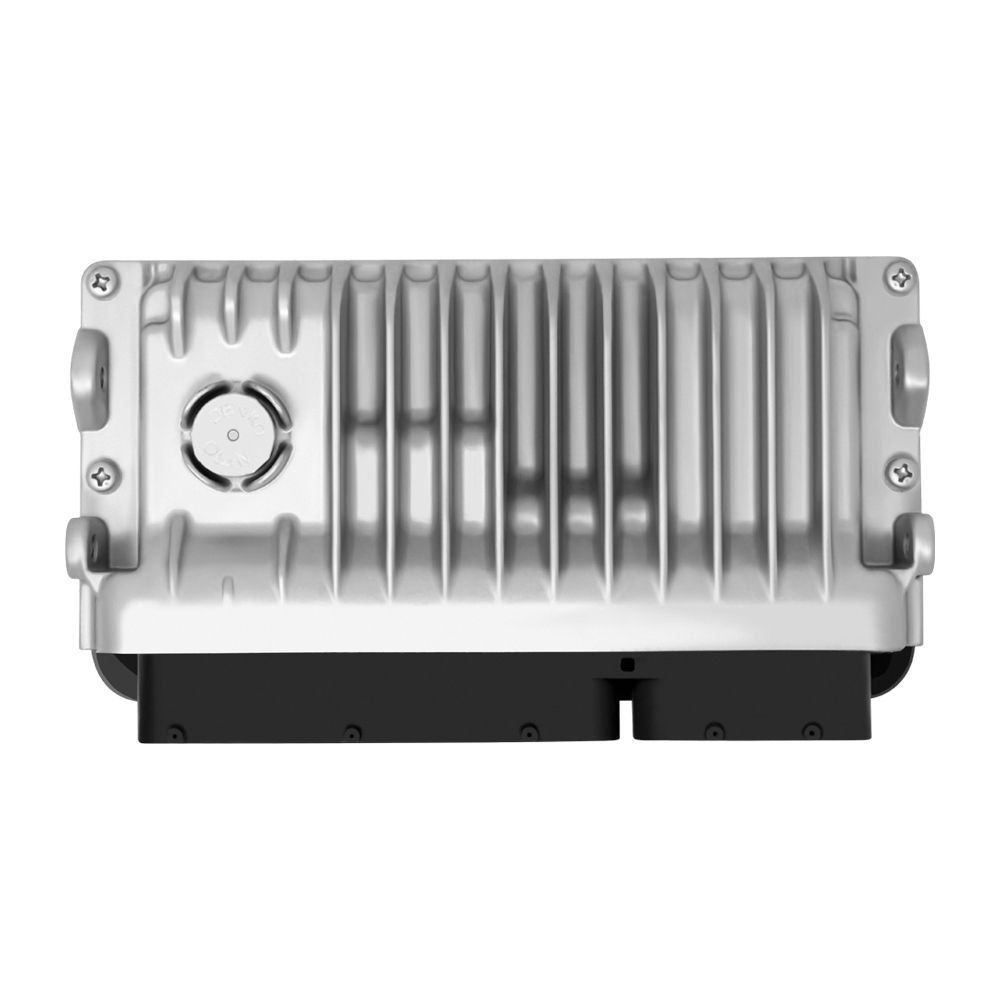
Flagship One stocks a refurbished, VIN-programmed PCM for the 2017 Toyota Camry with a lifetime warranty, free shipping and no core charge. The full Toyota Camry module lineup covers other engine configurations as well.
Replacing the engine control module in your 2017 Toyota Camry restores critical engine management functions and resolves frustrating drivability issues. By understanding the necessary programming and labor times, you can approach the repair with confidence. Ensure your sedan runs efficiently by choosing a reliable, pre-programmed unit that eliminates complex dealership procedures. Trust Flagship One for your replacement needs.