
Last updated on August 25th, 2026 at 11:57 am
The engine control module on the 2016 Toyota Camry 2.5L directs fuel injection, ignition timing, and transmission shift logic; a failure can cause hard starting, rough idle, loss of scan‑tool communication, and may set an internal fault such as P0606.
Owners of a 2016 Toyota Camry 2.5L who notice a sudden no‑start condition, intermittent stalling, or a persistent check‑engine light may be dealing with a faulty engine control module. This computer governs fuel injection, spark timing, and the electronic throttle, so any internal error can ripple through drivability and emissions systems. The factory service information shows that the module is reached by first removing the negative battery cable, then optionally taking off the cool‑air intake duct seal and the battery itself before unplugging the two ECM connectors. Labor allowances list 0.7 hours for the physical swap, 0.5 hours for the required relearn, and 0.3 hours for a reset procedure. A VIN registration step is mandatory after installation, and the module can set an internal fault such as P0606 when it fails. This article walks through the location, the replacement steps, the programming requirements, common symptoms, and practical tips to keep the unit healthy, giving you a clear picture of what to expect before you schedule the repair in a timely manner.
The engine control module in the 2016 Toyota Camry 2.5L acts as the central processor for the powertrain, coordinating fuel delivery, ignition timing, variable valve timing, and transmission shift points based on sensor inputs such as crankshaft position, throttle angle, and oxygen‑sensor feedback. When this unit develops an internal fault, the vehicle may exhibit a range of drivability issues including extended crank time, unexpected engine shutdown, or erratic shifting because the control logic can no longer interpret sensor data accurately. The module also stores diagnostic trouble codes that are only accessible through a professional scan tool, and a failure can prevent the tool from establishing communication altogether. Because the module is calibrated to the specific vehicle identification number, any replacement must be matched to that VIN; otherwise the engine may run in a default limp mode or fail to start. Selecting a correct replacement engine computers for the Camry ensures the hardware and software revisions line up with the original calibration, reducing the chance of post‑install relearn problems. The unit is housed in a sealed aluminum case that protects the circuitry from moisture and vibration, yet the connectors remain a common point of corrosion if the battery cable is not kept clean and tight. Regular inspection of the connector pins and the negative battery cable can help detect early signs of resistance that often precede a module failure.
2016 Toyota Camry 2.5L
OEM programmed ECM for your 2016 Toyota Camry 2.5L — plug & play, no dealer visit.
Free shipping · Lifetime warranty
The engine control module on the 2016 Toyota Camry 2.5L is mounted on the driver‑side firewall beneath the intake manifold. Access begins with disconnecting the negative battery cable, which isolates the electrical system. According to the service procedure, the cool‑air intake duct seal and the battery can be left in place if only the ECM is being removed, but many technicians choose to remove them for extra clearance. Once the area is clear, the two ECM connectors are unplugged and the module is unbolted. The labor guide allocates 0.7 hours for the removal and installation of the module, 0.5 hours for the required relearn sequence, and 0.3 hours for a reset operation. After the new unit is secured, the connectors are reattached, the battery cable is reconnected, and the vehicle is ready for the VIN registration step that the factory mandates.
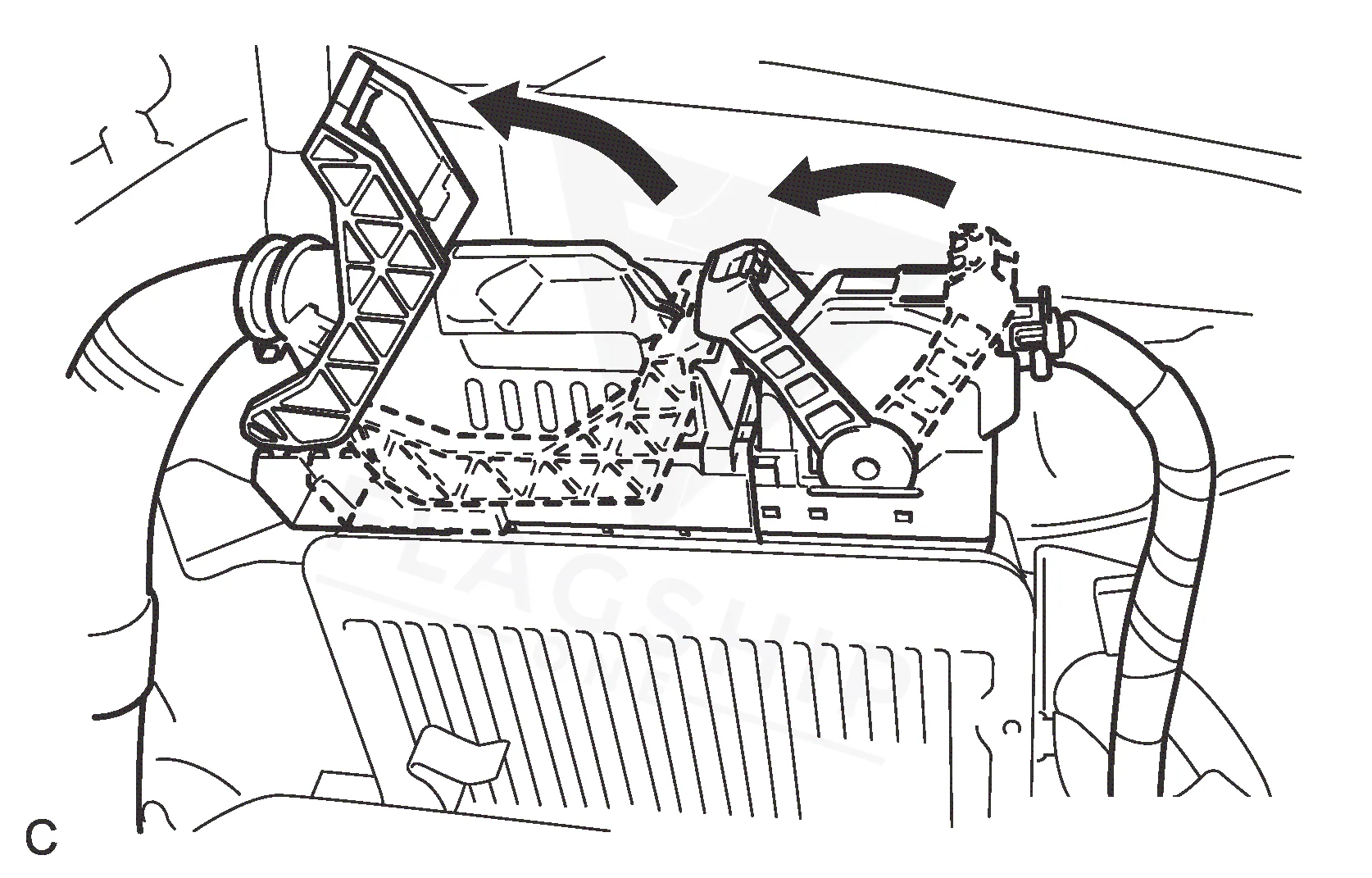
Work with the ignition off, and treat the module as static-sensitive: avoid touching the connector pins at any point.
| Operation | Configuration | Book Time |
|---|---|---|
| Powertrain Control Module R&R | All configurations | 0.7 hr |
| Powertrain Control Module Relearn | All configurations | 0.5 hr |
| Engine Control Module Relearn | All configurations | 0.5 hr |
| Engine Control Module R&R | All configurations | 0.7 hr |
| Engine Control Module Reset | All configurations | 0.3 hr |
After the ECM is installed on the 2016 Toyota Camry 2.5L, the factory service manual requires a VIN registration routine that writes the vehicle identification number into the new controller so that immobilizer, emissions, and transmission strategies align with the specific car. The procedure also calls for a relearn of idle speed, throttle position, and fuel trim values, which normally takes about 0.5 hours of scan‑tool time. A separate reset of adaptive memory may add another 0.3 hours. When you source a unit from Flagship One, the module arrives already programmed to your VIN, so the registration and relearn steps are effectively completed before the part reaches your shop. This means the technician can skip the 0.5‑hour relearn and the 0.3‑hour reset, saving labor and reducing the chance of a missed calibration. The only remaining task is to verify that the scan tool communicates without errors and that no pending codes remain. Using a a VIN‑programmed replacement unit eliminates the need for the dealer‑level programming sequence while still satisfying the factory requirement.
Drivers of a 2016 Toyota Camry 2.5L may notice several tell‑tale signs when the engine control module begins to fail. A common early symptom is an extended crank time before the engine fires, sometimes accompanied by a brief sputter that clears once the engine reaches idle. Intermittent stalling at stoplights or during low‑speed maneuvers can also appear, especially when the module loses its ability to maintain proper fuel trim. The check‑engine light often illuminates and a scan tool may report a loss of communication with the ECM, preventing the technician from reading live data. In some cases the transmission may shift harshly or refuse to engage overdrive because the shift‑control logic resides in the same processor. A documented internal fault such as internal processor fault P0606 can be stored in the module’s memory and will surface during a diagnostic session. Additional clues include erratic idle speed, sudden loss of power under acceleration, and occasional failure of the remote‑start function if equipped. Because the module also manages the immobilizer handshake, a no‑start condition with a healthy battery and starter is another strong indicator that the controller itself may be compromised. Monitoring these symptoms early can help you avoid a complete breakdown and reduce repair costs.
The following table lists the module‑internal trouble codes that have been recorded for the 2016 Toyota Camry 2.5L. Each entry identifies a specific fault condition inside the engine control module, helping technicians pinpoint whether the controller itself is the source of a drivability complaint.
| Code | Meaning | Full Guide |
|---|---|---|
| P0606 | Module processor failure | Full P0606 guide → |
The service guide allocates 0.7 hours for removal and installation, 0.5 hours for the relearn, and 0.3 hours for a reset, though actual shop time may vary.
Yes, the factory procedure requires a VIN registration step; however, a VIN‑programmed unit from Flagship One arrives with that step already completed.
A failing module can set internal codes such as P0606 and may also prevent the scan tool from reading other codes, so the light can appear alone.
The service hint states that the cool‑air intake duct seal and battery can remain in place for an ECM‑only removal, though many technicians remove them for easier access.
Extended crank time, intermittent stalling, loss of scan‑tool communication, and an internal code like P0606 point toward the controller rather than an external sensor.
Deciding between repairing the existing module and installing a refurbished unit depends on the extent of the internal damage and the shop’s equipment. For the 2016 Toyota Camry 2.5L, a remanufactured ECM that arrives VIN‑programmed can eliminate the factory registration and relearn steps, reducing labor time. If the original controller shows only minor connector corrosion, a careful cleaning and reseal may restore function at lower cost. Weigh the labor savings against the price difference to choose the most practical path.
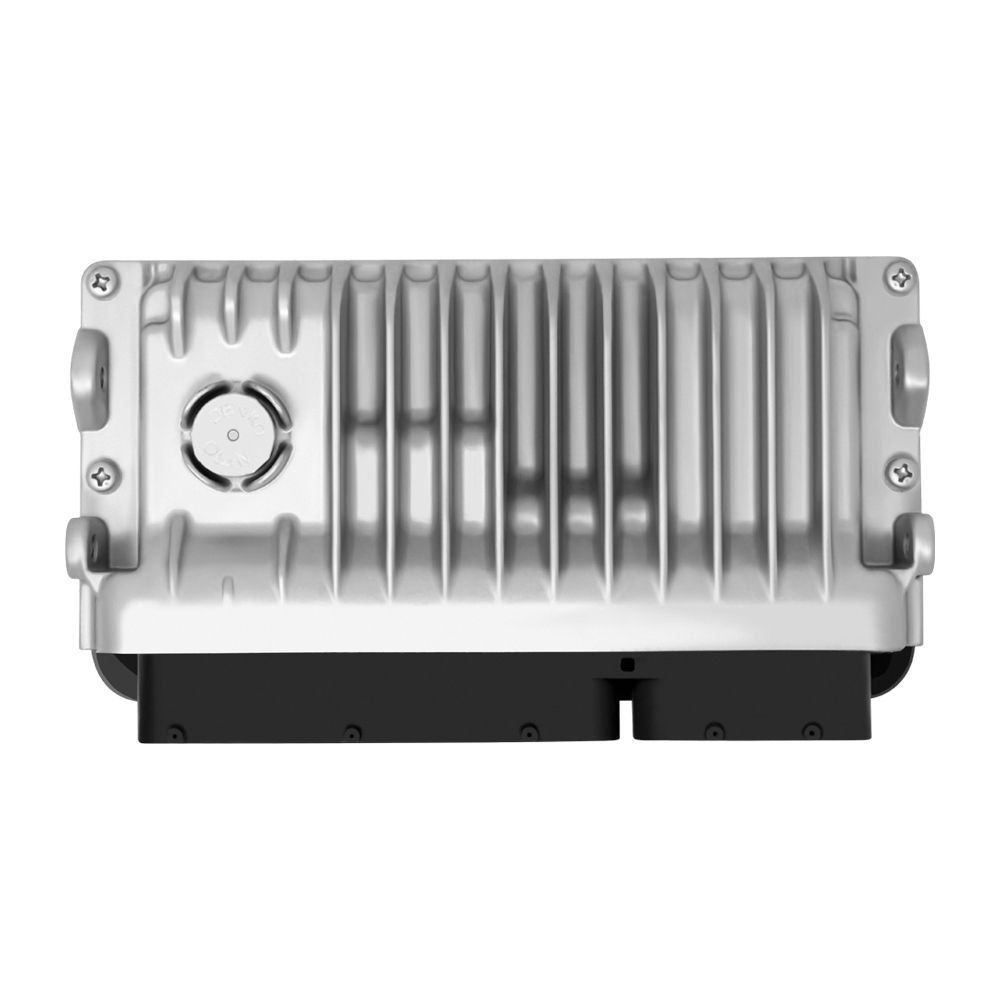
Flagship One stocks a refurbished, VIN-programmed PCM for the 2016 Toyota Camry with a lifetime warranty, free shipping and no core charge. The full Toyota Camry module lineup covers other engine configurations as well.
The 2016 Toyota Camry 2.5L relies on a healthy engine control module for smooth starts, stable idle, and proper transmission behavior. By understanding the location, labor requirements, and programming needs, you can plan the repair with confidence. If you decide a replacement is the best route, a VIN‑matched unit can simplify the process and get you back on the road quickly. Consider your options and consult a qualified technician for the final decision.