
Last updated on August 25th, 2026 at 11:57 am
The engine control module in your 2015 Toyota Prius Plug-In manages critical powertrain functions, including fuel delivery and ignition timing. When this computer fails, it often causes stalling, no-start conditions, or illuminated dashboard warning lamps, requiring replacement to restore proper vehicle operation.
Dealing with sudden dashboard warnings or starting problems in your 2015 Toyota Prius Plug-In can be frustrating. Often, these symptoms point to a malfunctioning engine control module, which acts as the brain of your vehicle’s powertrain system. This computer continuously adjusts fuel delivery, ignition timing, and emissions controls to keep your hybrid running efficiently. When it fails, you may experience poor drivability or a complete inability to start the engine. Understanding how this component works, where it is located, and what is required for a successful swap helps you make informed repair decisions. By exploring the symptoms, diagnostic codes, and replacement procedures specific to your vehicle, you gain the knowledge needed to address the issue effectively and get back on the road with confidence.
The engine control module in the 2015 Toyota Prius Plug-In serves as the primary computer responsible for orchestrating the hybrid powertrain. It processes data from various sensors to adjust fuel injection, monitor battery state of charge, and regulate the interaction between the gasoline engine and electric motor. A failure in this unit often disrupts this delicate balance, leading to drivability concerns or preventing the vehicle from starting altogether. When faced with such a malfunction, sourcing 2015 Prius Plug-In computers ensures you find the correct replacement that matches your vehicle’s specific requirements. This computer is essential for maintaining the efficiency and reliability that your hybrid is known for, as even minor internal processor glitches can trigger widespread system warnings. Without a functioning module, the vehicle may default to a failsafe mode, severely limiting performance and fuel economy. Proper diagnosis and timely replacement are crucial to restoring the seamless operation of the hybrid drive system.
2015 Toyota Prius Plug-In
OEM programmed ECM for your 2015 Toyota Prius Plug-In — plug & play, no dealer visit.
Free shipping · Lifetime warranty
Replacing the engine control module in your 2015 Toyota Prius Plug-In begins with detaching the auxiliary battery’s negative terminal cable to ensure electrical safety. The module itself is typically situated within the engine compartment, though its exact placement requires navigating around nearby components. According to established labor guides, the physical removal and installation of the powertrain control module takes 0.7 hours, while the same procedure for the engine control module also requires 0.7 hours. After the new unit is securely mounted, technicians must perform additional calibration steps to sync the computer with your vehicle. A powertrain control module relearn procedure adds 0.5 hours of labor, and an engine control module relearn also requires 0.5 hours. In some cases, an engine control module reset may be necessary, which accounts for 0.3 hours of shop time. These specific labor times reflect the precision required to properly integrate the new hardware into your hybrid system.
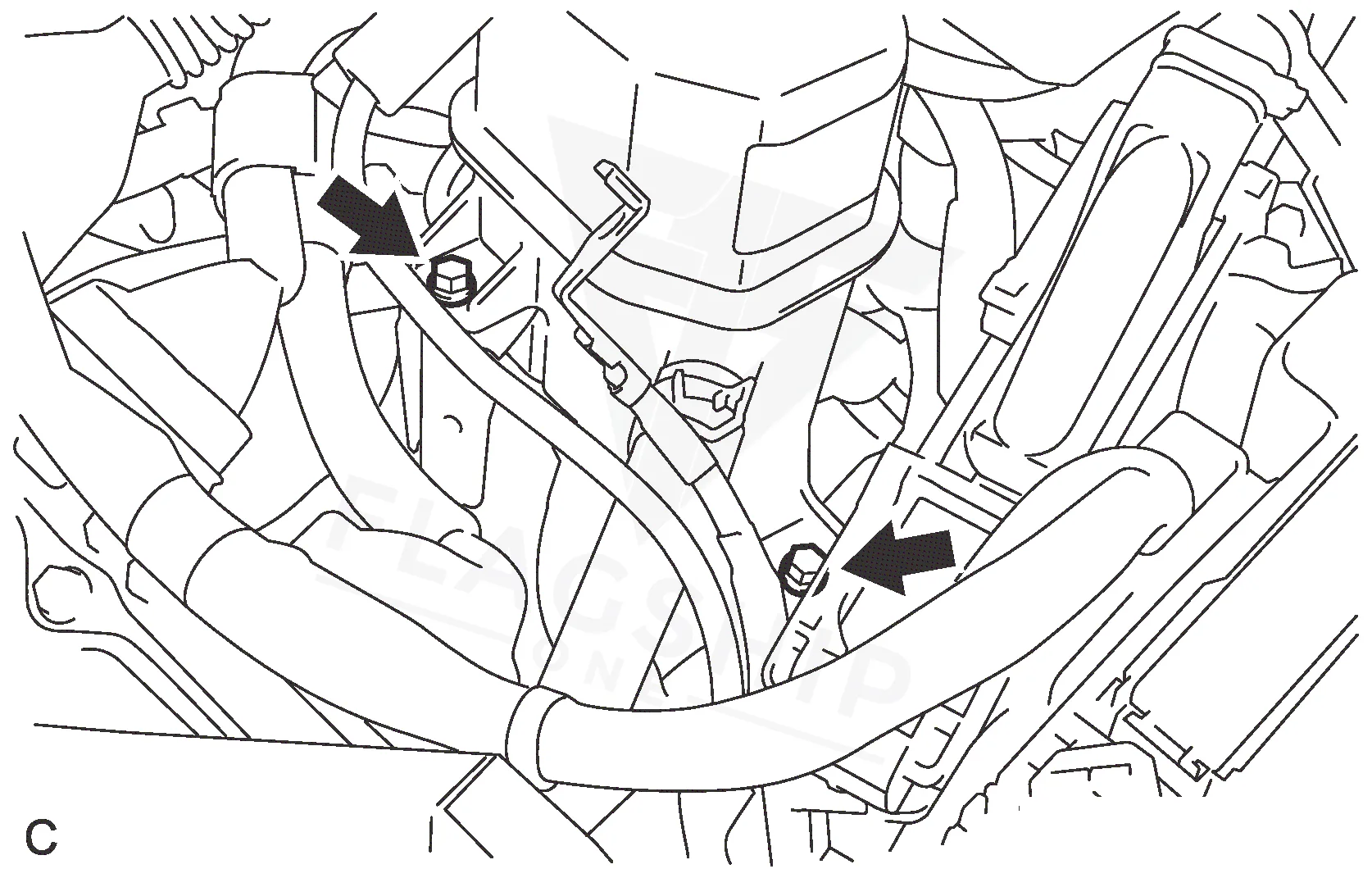
Work with the ignition off, and treat the module as static-sensitive: avoid touching the connector pins at any point.
| Operation | Configuration | Book Time |
|---|---|---|
| Powertrain Control Module R&R | All configurations | 0.7 hr |
| Powertrain Control Module Relearn | All configurations | 0.5 hr |
| Engine Control Module Relearn | All configurations | 0.5 hr |
| Engine Control Module R&R | All configurations | 0.7 hr |
| Engine Control Module Reset | All configurations | 0.3 hr |
Installing a new engine computer in the 2015 Toyota Prius Plug-In typically demands several post-installation procedures to ensure proper functionality. Factory procedures often require a powertrain control module relearn taking 0.5 hours, an engine control module relearn taking 0.5 hours, and potentially an engine control module reset taking 0.3 hours. These steps are necessary to synchronize the new hardware with the vehicle’s immobilizer and operating systems. However, choosing a pre-programmed replacement unit from Flagship One eliminates the need for these extensive dealership programming steps. Because the unit arrives already flashed to your specific vehicle identification number, you avoid the additional shop time and diagnostic fees usually required for the relearn and reset procedures. This allows for a straightforward installation, getting your hybrid back on the road quickly without the typical delays associated with factory programming.
When the engine control module in your 2015 Toyota Prius Plug-In begins to fail, several noticeable symptoms often arise. You may experience a no-start condition where the hybrid system refuses to engage, or sudden stalling while driving. Misfire codes are also common, leading to rough idling and reduced power. In some cases, you might encounter dead scan-tool communication, preventing technicians from reading diagnostic data. Transmission shifting issues can also occur, causing erratic gear changes in the hybrid drivetrain. A particularly concerning indicator is the illumination of the check engine light accompanied by internal processor fault which points directly to a malfunction within the computer itself. Ignoring these signs may lead to further drivability degradation or leave you stranded. Prompt diagnosis is essential to determine if the computer is the root cause of these various operational disruptions.
Diagnostic trouble codes specific to the 2015 Toyota Prius Plug-In often indicate internal failures within the engine control module. Reviewing these specific faults helps determine if your vehicle’s computer is the root cause of ongoing drivability issues. The following list outlines the module-internal fault codes documented for this vehicle.
| Code | Meaning | Full Guide |
|---|---|---|
| P0606 | Module processor failure | Full P0606 guide → |
Common indicators of a failing engine control module in the 2015 Toyota Prius Plug-In include a no-start condition, unexpected stalling, or unexplained misfire codes. You might also notice a lack of communication when connecting a diagnostic scan tool. If you encounter these symptoms alongside an internal processor fault, the computer likely requires replacement.
Replacing the powertrain control module requires first detaching the auxiliary battery’s negative terminal cable. The physical removal and installation takes approximately 0.7 hours, followed by a relearn procedure that takes 0.5 hours. Proper calibration is essential to ensure the new unit communicates correctly with the rest of the hybrid system.
Yes, a new engine computer typically requires programming to match your specific vehicle, which includes an engine control module relearn taking 0.5 hours and potentially an engine control module reset taking 0.3 hours. However, selecting a pre-programmed unit from Flagship One bypasses these dealership steps, as the computer arrives ready for installation based on your VIN.
When facing computer failures in your 2015 Toyota Prius Plug-In, deciding between repairing the existing unit or opting for a refurbished replacement is a common dilemma. Repairing a faulty module may not always address internal processor degradation, whereas a refurbished unit offers a fresh start with restored circuitry. Choosing a replacement specifically programmed for your hybrid ensures seamless integration without the hassle of dealership programming. This approach often provides a more reliable long-term solution for your vehicle’s electronic needs.
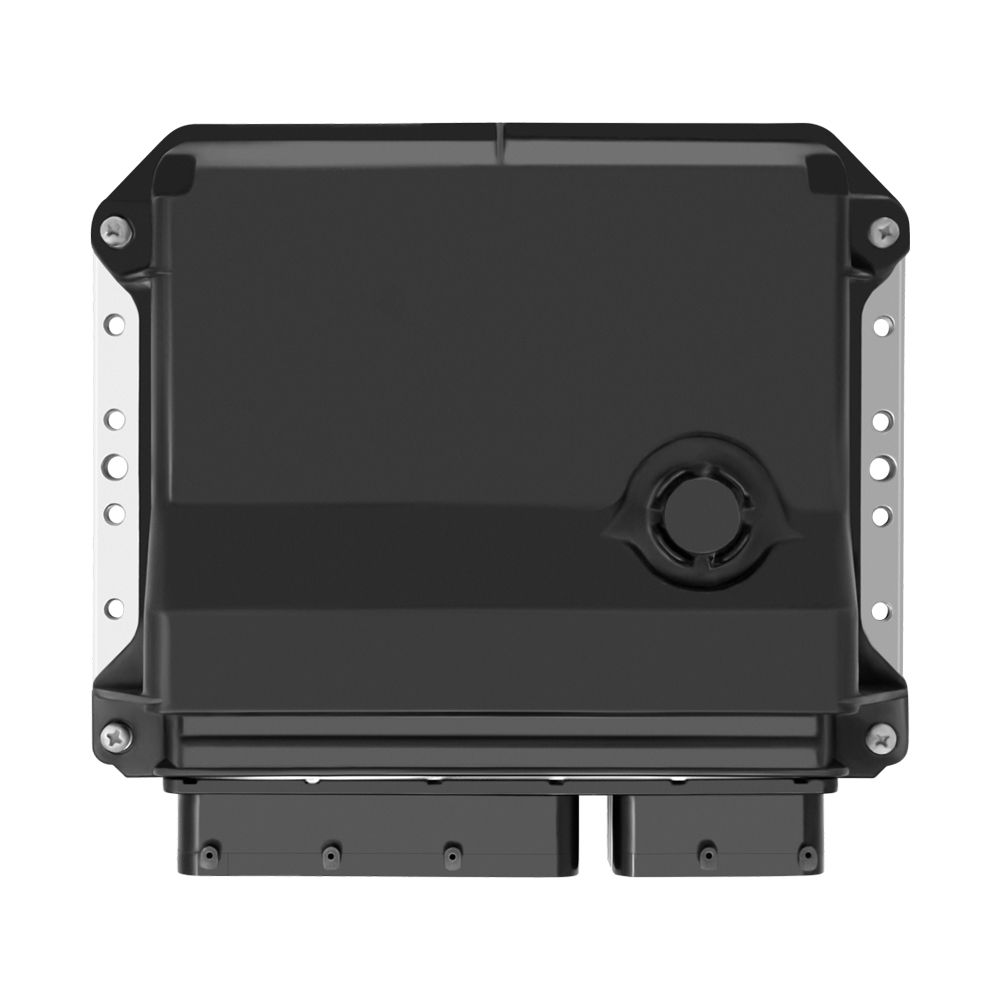
Flagship One stocks a refurbished, VIN-programmed PCM for the 2015 Toyota Prius Plug-In with a lifetime warranty, free shipping and no core charge. The full Toyota Prius Plug-In module lineup covers other engine configurations as well.
Addressing engine control module issues in your 2015 Toyota Prius Plug-In promptly helps maintain the long-term reliability and efficiency you expect from your hybrid. Understanding the specific symptoms, labor times, and programming requirements gives you the confidence to navigate the repair process effectively. Consider exploring quality replacement options to restore your vehicle’s performance and get back on the road safely and efficiently.