
Last updated on August 25th, 2026 at 11:58 am
The engine control module in the 2014 Toyota Prius Plug-In manages critical powertrain and hybrid functions. When this computer fails, it often causes starting difficulties, drivability problems, or dashboard warning lights, requiring replacement to restore proper vehicle operation.
Encountering sudden drivability issues or unexplained warning lights on your 2014 Toyota Prius Plug-In can be incredibly frustrating. Often, these symptoms point directly to a malfunctioning engine control module, a critical component that dictates how your vehicle operates. Understanding what this computer does, why it fails, and how to address the problem empowers you to make informed repair decisions. When the main computer begins to degrade, your hybrid may exhibit rough idling, a refusal to start, or poor fuel economy. Rather than guessing at the problem, gaining clarity on the module’s role helps you avoid unnecessary part swaps and wasted time. You will learn exactly where this unit resides, what steps are involved in swapping it out, and why programming is a mandatory part of the installation process. We will also cover the specific fault codes associated with internal processor failures and practical ways to protect your replacement unit over time. Armed with this knowledge, navigating the repair process becomes much less daunting, ensuring your Prius returns to its reliable, efficient self without unexpected delays or redundant expenses.
The engine control module in the 2014 Toyota Prius Plug-In serves as the central brain for the entire hybrid powertrain. It continuously processes data from various sensors positioned throughout the vehicle to regulate fuel injection, ignition timing, and emission controls. Because this is a plug-in hybrid model, the computer also coordinates the complex interaction between the gasoline engine and the electric motor, ensuring seamless transitions between power sources. When you are driving, the module adjusts operating parameters in real time to maximize efficiency and minimize tailpipe emissions. A malfunctioning unit disrupts this delicate balance, leading to poor performance or complete vehicle immobilization. The computer monitors hundreds of inputs per second, making it impossible for the engine to run smoothly if the internal processor is damaged. If you need to restore this vital communication network, sourcing 2014 Prius PCM options ensures you find the correct replacement unit for your specific hybrid. Without a functioning module, your vehicle may default to a restrictive safe mode, severely limiting speed and power. The deep integration of hybrid and gasoline systems in the Prius means the engine computer carries far more responsibility than it would in a conventional car. Therefore, keeping this component healthy is vital for maintaining the fuel economy and overall reliability your vehicle is famous for. Proper operation of this module ultimately dictates whether your car starts reliably or leaves you stranded at the curb.
2014 Toyota Prius Plug-In
OEM programmed ECM for your 2014 Toyota Prius Plug-In — plug & play, no dealer visit.
Free shipping · Lifetime warranty
Accessing the engine control module on your 2014 Toyota Prius Plug-In requires specific preparation steps to ensure safety. Technicians must first detach the wiring attached to the secondary power source’s negative post before proceeding with the physical removal. This step prevents electrical shorts and protects the vehicle’s sensitive electronics during the swap. The designated book time for removing and reinstalling the unit stands at 0.7 hours, reflecting the labor involved in physically swapping the hardware. Once the new module is securely mounted, the vehicle typically requires a reset procedure, which carries a separate time allotment of 0.3 hours. This reset ensures the new computer synchronizes properly with the rest of the hybrid system. Following these factory-specified access steps and labor times guarantees the repair is completed methodically, avoiding accidental damage to surrounding components or the newly installed module itself.
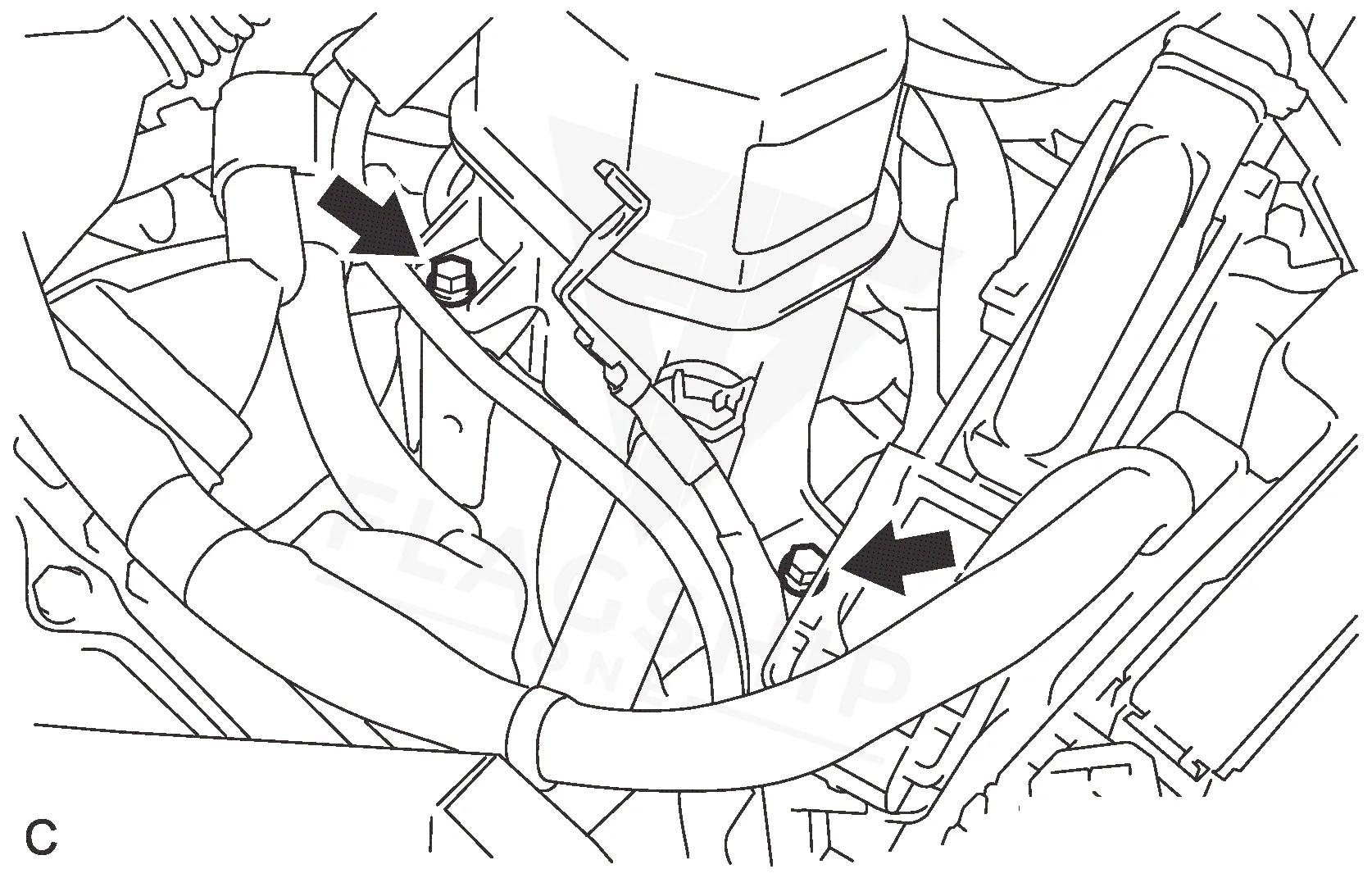
Work with the ignition off, and treat the module as static-sensitive: avoid touching the connector pins at any point.
| Operation | Configuration | Book Time |
|---|---|---|
| Powertrain Control Module R&R | All configurations | 0.7 hr |
| Powertrain Control Module Relearn | All configurations | 0.5 hr |
| Engine Control Module Relearn | All configurations | 0.5 hr |
| Engine Control Module R&R | All configurations | 0.7 hr |
| Engine Control Module Reset | All configurations | 0.3 hr |
Installing a new engine computer in the 2014 Toyota Prius Plug-In involves more than simply plugging the hardware into place. The factory post-install procedure mandates a relearn process to sync the new module with your vehicle’s specific hybrid configuration. According to service guidelines, this relearn operation requires 0.5 hours of dedicated labor time. During this step, the technician uses diagnostic software to teach the replacement unit the operating parameters of the engine and electric motor. Skipping this crucial step often results in poor idle quality, hybrid system warnings, or a complete refusal to start. Fortunately, choosing a pre-programmed replacement computer eliminates the hassle of these dealership programming steps entirely. Flagship One units arrive already flashed to your specific vehicle identification number, meaning the 0.5-hour relearn procedure is already accounted for before the part leaves the warehouse. This allows you to install the unit and immediately drive your vehicle without waiting for a shop to complete the software synchronization.
When the engine control module begins to fail in the 2014 Toyota Prius Plug-In, the symptoms often appear suddenly and can severely impact drivability. One of the most common indicators is a no-start condition, where the hybrid system is ready, but the gasoline engine fails to ignite. You may also experience intermittent stalling while driving, which poses a significant safety risk in traffic. Poor fuel economy is another frequent complaint, as the failing computer can no longer accurately adjust the fuel delivery or hybrid power distribution. Sometimes, the transmission may hesitate or jerk during shifting, or the vehicle might enter a restrictive limp mode to protect the powertrain. Communication issues are also typical; a diagnostic scan tool may fail to connect to the engine computer entirely. Internal processor failures frequently trigger specific dashboard warning lights and fault codes. For instance, an internal processor malfunction will often set internal processor fault, alerting you to a critical malfunction within the module itself rather than a simple sensor issue. Ignoring these warning signs typically leads to progressive degradation, eventually resulting in complete vehicle immobilization. Because the hybrid system relies so heavily on precise computer control, even minor glitches in the module’s operation can cause noticeable changes in how the car accelerates and brakes. Recognizing these signs early allows you to address the problem before it cascades into more disruptive failures.
Diagnostic trouble codes pointing to internal module failures are distinct from generic sensor codes. The following list outlines the specific module-internal fault documented for the 2014 Toyota Prius Plug-In. When these codes appear, they typically indicate that the computer itself has suffered an internal hardware or software malfunction, rather than an external wiring issue.
| Code | Meaning | Full Guide |
|---|---|---|
| P0606 | Module processor failure | Full P0606 guide → |
The engine control module acts as the primary computer for the hybrid powertrain, managing fuel injection, ignition timing, and the coordination between the gas and electric motors. It constantly adjusts engine parameters based on sensor data to ensure optimal efficiency and emissions. Without it functioning properly, the vehicle cannot regulate the hybrid system effectively.
The standard book time for physically removing and reinstalling the unit is 0.7 hours. Additionally, the factory relearn procedure requires 0.5 hours, and a reset operation takes 0.3 hours. These times reflect the labor involved without accounting for diagnostic time.
You must disconnect the wiring attached to the secondary power source’s negative post before removing the engine computer. This critical step prevents electrical shorts and protects the vehicle’s sensitive electronic components from damage during the swap. Failing to do so could result in damage to the new module.
Common symptoms include a no-start condition, unexpected stalling while driving, and poor fuel economy. You might also notice harsh or erratic shifting, or the vehicle entering a restrictive limp mode. Additionally, a scan tool may fail to communicate with the module entirely.
Yes, the factory procedure requires a relearn process that takes 0.5 hours to synchronize the new module with the vehicle. However, if you install a unit from Flagship One that is pre-programmed to your VIN, this dealership synchronization step is already completed. This allows you to start the vehicle immediately after the physical installation.
Deciding between repairing or replacing the engine computer in your 2014 Toyota Prius Plug-In depends on the exact nature of the failure. While some local shops offer rebuilding services for minor circuit board issues, these repairs often lack a reliable warranty and can take weeks to complete. Choosing a pre-programmed refurbished replacement unit provides a faster, more dependable solution that gets your hybrid back on the road quickly and safely.
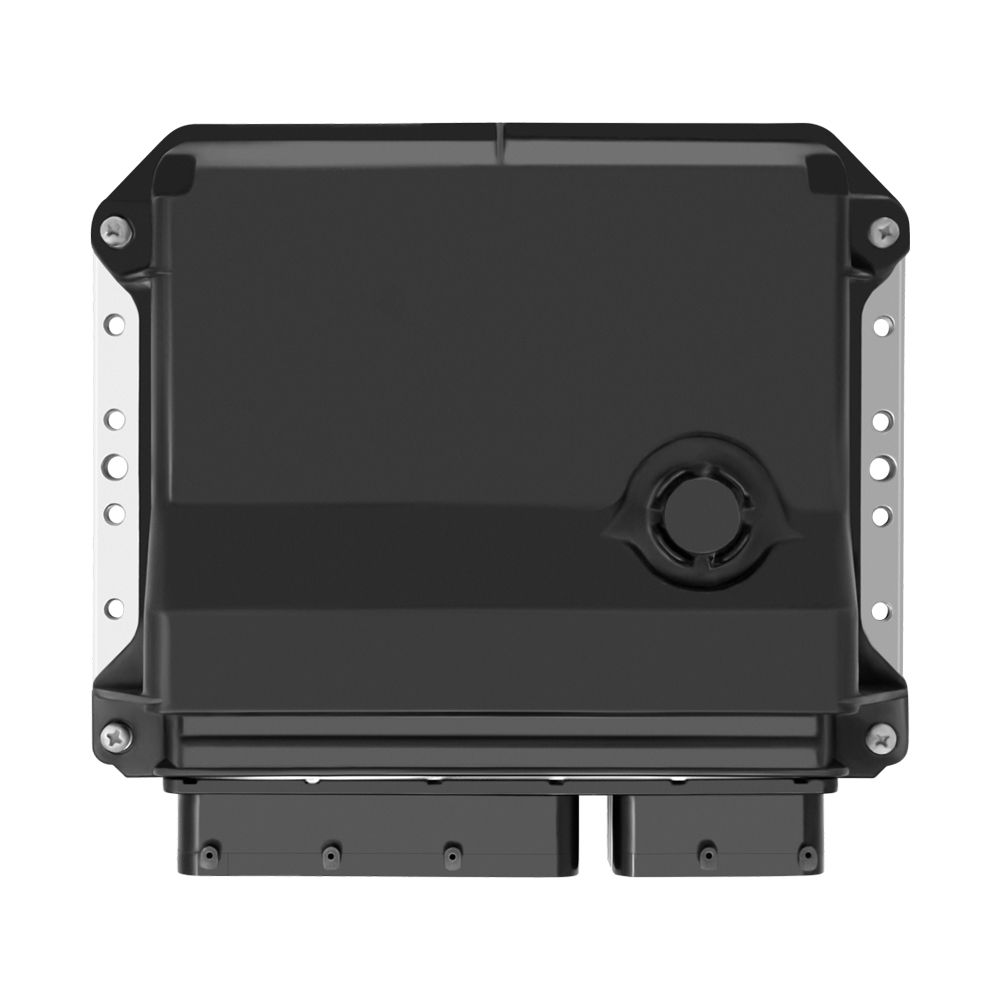
Flagship One stocks a refurbished, VIN-programmed PCM for the 2014 Toyota Prius Plug-In with a lifetime warranty, free shipping and no core charge. The full Toyota Prius Plug-In module lineup covers other engine configurations as well.
Dealing with powertrain computer issues in your 2014 Toyota Prius Plug-In can seem overwhelming, but understanding the symptoms and replacement steps simplifies the process. From recognizing internal processor faults to navigating the relearn procedures, being informed is your best asset. When you are ready to restore your vehicle’s performance, exploring high-quality pre-programmed replacement options will ensure your hybrid runs smoothly for years to come.