
Last updated on August 25th, 2026 at 11:58 am
The powertrain control module in your 2013 Toyota Tacoma manages fuel delivery, ignition timing, and transmission operation. When this computer fails, it may trigger diagnostic code P0606, indicating an internal processor fault. A failing module can cause stalling, no-start conditions, erratic shifting, or prevent scan-tool communication entirely.
When your 2013 Toyota Tacoma experiences engine computer problems, understanding what the powertrain control module does and how to address its failure can save you time and money. The PCM, also referred to as the ECM in this vehicle, is the central brain that coordinates fuel injection, ignition timing, emissions controls, and automatic transmission behavior. A failing unit may leave you stranded with a no-start condition or unpredictable drivability issues. This guide walks through what the module does, where it lives in your truck, what the factory requires after replacement, and how to recognize symptoms before they escalate. You will also find the specific book times for removal and relearn procedures, the trouble codes documented for this vehicle, and practical advice on protecting the module from preventable damage. Whether you are diagnosing an intermittent stall or planning a replacement, this information helps you make an informed repair decision.
The powertrain control module in your 2013 Toyota Tacoma functions as the primary electronic brain overseeing nearly every aspect of engine and transmission operation. It reads input from dozens of sensors measuring airflow, coolant temperature, oxygen content, crankshaft position, and throttle angle, then adjusts fuel injector pulse width, ignition timing, and idle speed in real time. In models equipped with the 4.0L V6 and an automatic transmission, the module also governs shift points and torque converter lockup. Because the PCM integrates so many functions, a single internal fault can ripple through multiple systems simultaneously. Diagnostic code P0606 specifically flags an internal processor malfunction within the module itself, meaning the computer cannot reliably execute its programming. When that happens, replacement engine computers for the Tacoma become the practical solution, as the internal circuitry is not serviceable separately. The module also stores your vehicle identification number and learned adaptive data, which is why a new unit must be registered to the vehicle before it will function correctly. A healthy PCM keeps your truck running efficiently, passing emissions, and shifting smoothly under load.
2013 Toyota Tacoma 4.0L
OEM programmed ECM for your 2013 Toyota Tacoma 4.0L — plug & play, no dealer visit.
Free shipping · Lifetime warranty
Replacing the engine control module on your 2013 Toyota Tacoma begins with a single access step: detaching the ground lead from the battery’s negative post to isolate electrical power. According to published labor guides, removing and reinstalling the ECM calls for 0.5 hours of book time, while the same operation on the PCM is listed at 0.7 hours. Once the replacement unit is physically installed, additional programming steps carry their own time allocations. An ECM reset is rated at 0.3 hours, and relearn procedures for either the ECM or PCM are each listed at 0.5 hours. These figures reflect only the labor published in the service guide and do not include diagnostic time, parts sourcing, or any additional repairs discovered during the job. The sole access requirement is separating the battery ground connection, which keeps the procedure relatively straightforward for a qualified technician with the right tools and scan equipment.
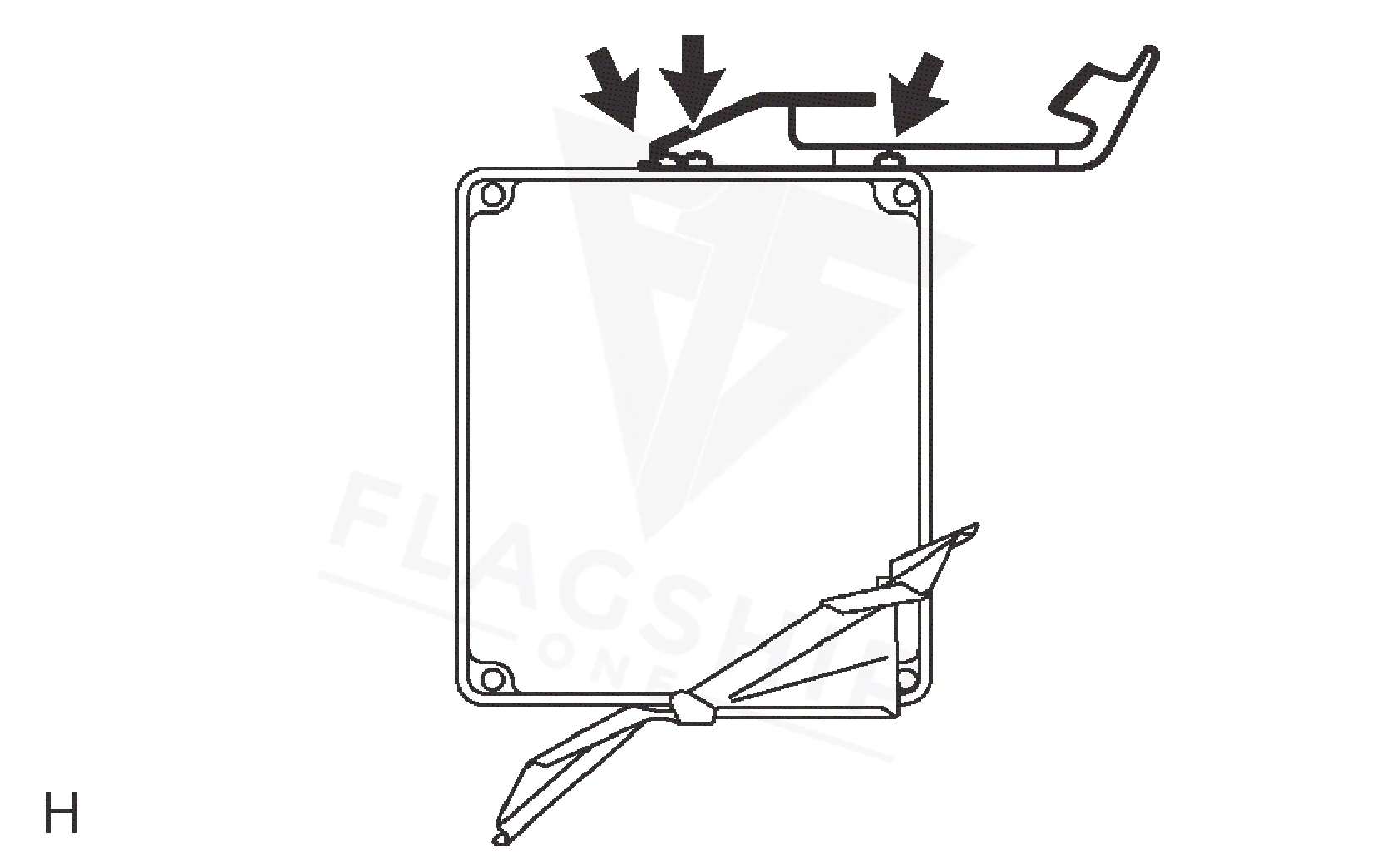
Work with the ignition off, and treat the module as static-sensitive: avoid touching the connector pins at any point.
| Operation | Configuration | Book Time |
|---|---|---|
| Powertrain Control Module R&R | All configurations | 0.7 hr |
| Powertrain Control Module Relearn | All configurations | 0.5 hr |
| Engine Control Module Relearn | All configurations | 0.5 hr |
| Engine Control Module R&R | All configurations | 0.5 hr |
| Engine Control Module Reset | All configurations | 0.3 hr |
After the ECM is replaced in your 2013 Toyota Tacoma, Toyota’s factory procedure requires two critical steps. First, VIN registration must be performed so the new module recognizes your vehicle’s identity. Second, throttle body initialization is required to recalibrate the idle air control system. Additionally, the factory calls for an automatic transmission memory reset whenever the ECM is replaced, which reinitializes shift adaptation data. Without these steps, your truck may exhibit rough idle, poor shifting, or fail to start at all. When you choose a pre-programmed replacement unit from Flagship One, the VIN registration is already completed at our facility, eliminating that step from your installation process. The throttle body initialization and transmission memory reset may still need to be performed by your technician using a compatible scan tool after the module is physically installed and the battery ground is reconnected.
When the engine computer in your 2013 Toyota Tacoma begins to fail, several symptoms may surface that point to an internal module problem. You might experience intermittent stalling at idle or while cruising, a no-start condition where the engine cranks but refuses to fire, or misfire codes that appear without any mechanical cause. Some owners report erratic automatic transmission behavior, such as harsh shifts or delayed engagement, because the module also controls shift logic. Dead scan-tool communication is another strong indicator; if your technician cannot establish a link to the ECM, the module itself may have lost internal power or ground. The documented trouble code internal processor fault is specific to this vehicle and indicates that the module’s internal circuitry has detected a malfunction it cannot correct. Other related symptoms include poor fuel economy, failed emissions tests, and a check engine light that returns immediately after being cleared. Because these issues can mimic sensor or wiring problems, proper diagnosis is essential before replacing the module.
The following table lists the module-internal trouble codes documented for the 2013 Toyota Tacoma. These codes originate within the engine computer itself rather than from external sensors or wiring, which typically means the module has detected an internal fault it cannot resolve. When one of these codes appears, further diagnosis is needed to confirm whether the module requires replacement.
| Code | Meaning | Full Guide |
|---|---|---|
| P0606 | Module processor failure | Full P0606 guide → |
Published labor guides list the ECM removal and installation at 0.5 hours of book time. A separate relearn procedure is rated at an additional 0.5 hours, and an ECM reset is listed at 0.3 hours. Actual repair time may vary depending on diagnostic needs and shop conditions.
Toyota requires VIN registration and throttle body initialization whenever the ECM is replaced. The factory also calls for an automatic transmission memory reset to reinitialize shift adaptation data. A pre-programmed unit from Flagship One arrives with VIN registration already completed.
Code P0606 indicates an internal processor malfunction within the engine control module itself. This means the module has detected a fault in its own circuitry that it cannot correct. Diagnosis by a qualified technician is recommended to confirm the module needs replacement rather than a related wiring or sensor issue.
If your 2013 Toyota Tacoma is showing symptoms of a failing engine computer, you have two main paths. A dealership can install a brand-new module and perform all factory programming on-site, though this tends to be the most expensive option. A refurbished or pre-programmed replacement from Flagship One offers a cost-effective alternative, arriving with VIN registration already completed so your technician can focus on the physical swap and remaining relearn steps. Either way, addressing the problem promptly helps avoid the cascading drivability issues that a failing module can create.
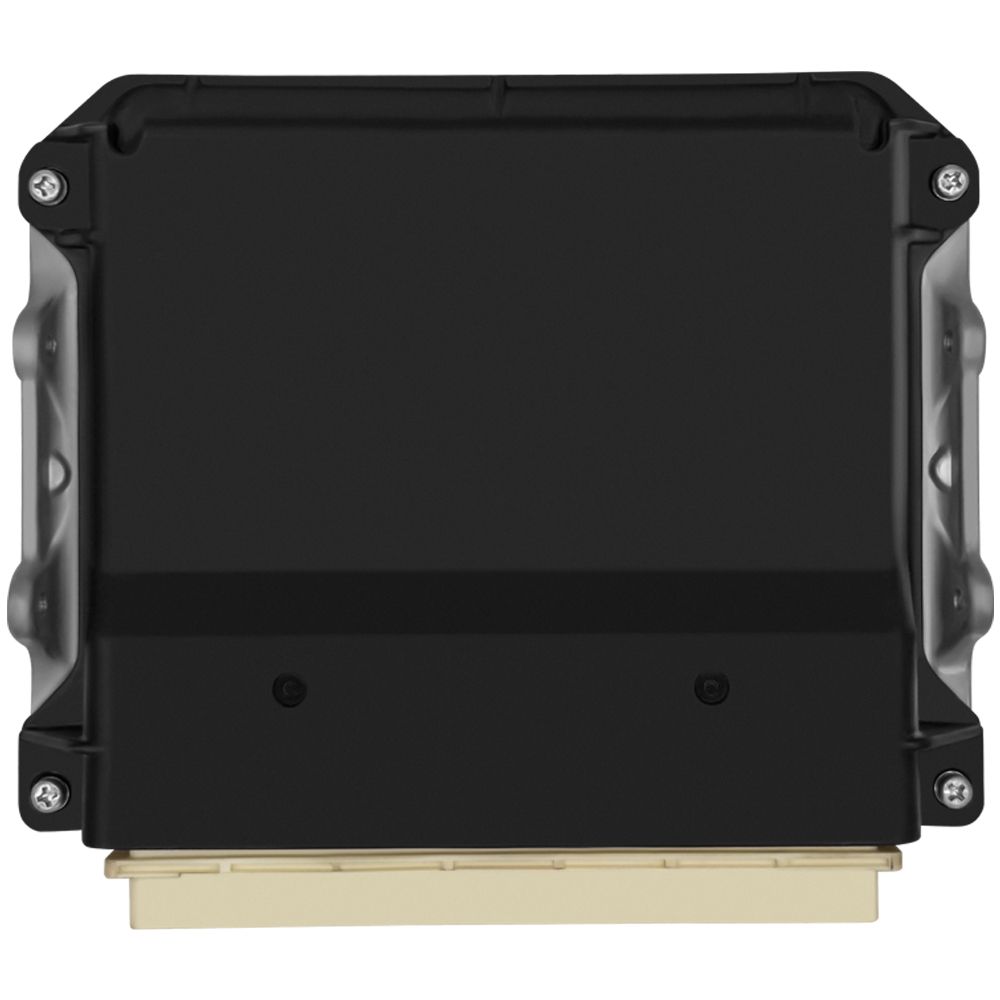
Flagship One stocks a refurbished, VIN-programmed PCM for the 2013 Toyota Tacoma with a lifetime warranty, free shipping and no core charge. The full Toyota Tacoma module lineup covers other engine configurations as well.
The engine control module in your 2013 Toyota Tacoma plays a central role in keeping your truck running smoothly and efficiently. When symptoms like stalling, no-start conditions, or code P0606 appear, prompt diagnosis and replacement can prevent further drivability problems. Flagship One offers pre-programmed replacement modules that arrive ready for installation, saving your technician valuable time. Take the next step and explore available options for your Tacoma today.