
Last updated on August 25th, 2026 at 11:58 am
The engine computer on your 2013 Toyota Prius Plug-In manages hybrid powertrain coordination, fuel injection timing, and emissions compliance. Internal processor faults, voltage spikes from jump starts, or moisture intrusion may trigger internal fault codes and drivability issues requiring module replacement.
When your 2013 Toyota Prius Plug-In develops drivability issues or warning lights, the engine computer often becomes the primary suspect. This module coordinates hybrid system operation, engine timing, and emission controls. Understanding its function helps you diagnose problems accurately and choose the right replacement strategy. This guide explains what the computer controls, where technicians access it, and why professional programming matters. You will learn typical failure symptoms, proper installation procedures, and how to avoid common mistakes that damage sensitive electronics. Whether you are troubleshooting a no-start condition or planning a repair, the information below helps you make informed decisions about your vehicle’s engine management system.
The engine computer in your 2013 Toyota Prius Plug-In serves as the central controller for hybrid powertrain operations. It processes inputs from oxygen sensors, throttle position, and battery management systems to optimize fuel injection and ignition timing. This module constantly adjusts the gasoline engine’s operation to work seamlessly with the electric motor while monitoring emission controls. When internal processors degrade from heat cycles or electrical stress, you may experience erratic idle, reduced fuel economy, or complete failure to start. Replacing the module requires careful handling because static electricity or improper grounding can damage the new unit before installation. Many owners choose replacement computers for the Prius Plug-In because pre-programmed options eliminate dealership delays and lengthy shop visits. The module stores critical calibration data for your specific VIN, making proper configuration essential for hybrid system compatibility and optimal performance.
2013 Toyota Prius Plug-In
OEM programmed ECM for your 2013 Toyota Prius Plug-In — plug & play, no dealer visit.
Free shipping · Lifetime warranty
Technicians access the engine computer through the passenger compartment firewall area. Before touching the module, you must detach the negative lead from the auxiliary battery. The standard labor allowance for removing and replacing the module is 0.7 hours. This estimate covers unbolting the unit from its mounting bracket and transferring any heat shields or protective covers. After installation, the factory service procedure requires a relearn operation that books 0.5 hours to complete. During this phase, the module establishes communication with the hybrid control systems and learns the specific characteristics of your engine. Some procedures also require an additional 0.3 hours for module reset operations. While the physical swap appears straightforward, proper grounding and connector alignment prevent communication errors that trigger warning lights.
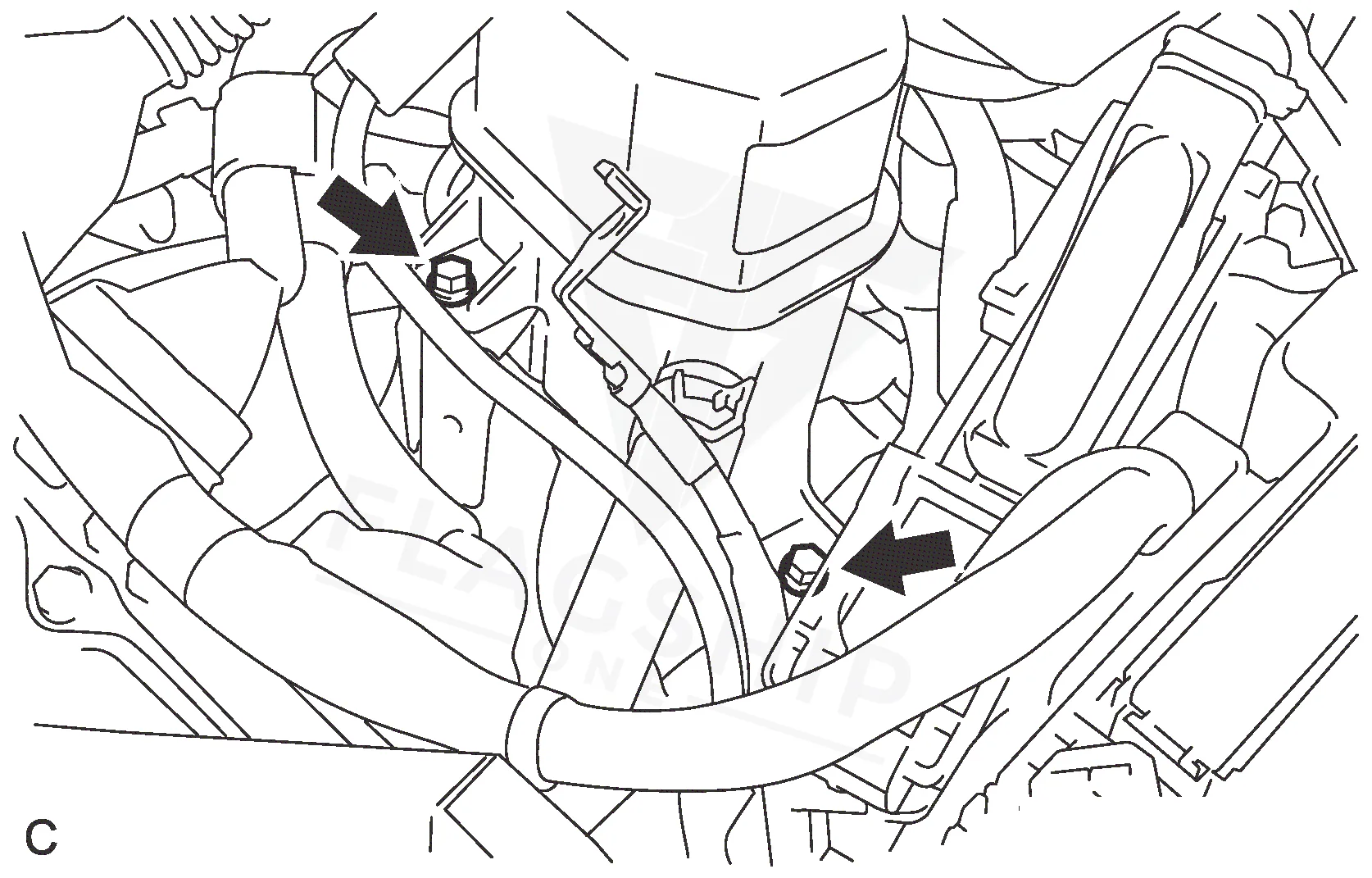
Work with the ignition off, and treat the module as static-sensitive: avoid touching the connector pins at any point.
| Operation | Configuration | Book Time |
|---|---|---|
| Powertrain Control Module R&R | All configurations | 0.7 hr |
| Powertrain Control Module Relearn | All configurations | 0.5 hr |
| Engine Control Module Relearn | All configurations | 0.5 hr |
| Engine Control Module R&R | All configurations | 0.7 hr |
| Engine Control Module Reset | All configurations | 0.3 hr |
Factory replacement procedures require specific initialization steps after installing a new module. The service manual allocates 0.5 hours for relearn procedures where the computer adapts to your vehicle’s hybrid systems. Additionally, a separate 0.3 hour reset operation may be necessary to clear residual memory and establish baseline parameters. These steps ensure the module recognizes your specific VIN and calibration settings. When you receive a VIN-programmed replacement unit, technicians can skip these lengthy procedures because the module arrives ready for immediate operation. This preparation saves diagnostic time and prevents errors that occur when manual programming interrupts communication between the hybrid control systems.
A failing engine computer in your 2013 Toyota Prius Plug-In often presents subtle warning signs before complete failure. You may notice intermittent stalling when coming to a stop or difficulty starting the engine in hybrid mode. The vehicle might store false misfire codes or display a check engine light that returns immediately after clearing. Scan tools sometimes lose communication with the module during diagnostic sessions. Specific internal faults like internal control module processor fault indicate the computer’s central processing unit has detected its own malfunction. Other symptoms include erratic transmission shifting behavior, sudden drops in fuel economy, or the hybrid system refusing to engage the gasoline engine when battery charge depletes.
The engine computer in your 2013 Toyota Prius Plug-In performs continuous self-diagnostics to verify internal processor integrity. When it detects internal hardware malfunctions or memory corruption, it sets specific trouble codes that indicate module failure rather than sensor circuit problems. These codes require module replacement rather than wiring repairs.
| Code | Meaning | Full Guide |
|---|---|---|
| P0606 | Module processor failure | Full P0606 guide → |
Factory procedures require relearn and reset operations totaling 0.5 and 0.3 hours respectively. However, VIN-programmed replacement units arrive ready to install, eliminating the need for additional dealership programming steps.
Standard book time for removing and replacing the module is 0.7 hours. Post-installation procedures including relearn operations add another 0.5 hours, with potential additional reset time of 0.3 hours depending on specific calibration requirements.
Voltage spikes from improper jump-starting procedures may damage the internal processor, triggering this internal fault code. The module may require replacement if the processor cannot complete self-checks during initialization cycles.
When deciding between repair and replacement for your 2013 Toyota Prius Plug-In, consider that internal processor damage is rarely serviceable at the component level. Replacement modules offer reliable operation with updated programming that matches your hybrid system’s specific calibration requirements. Pre-programmed options eliminate the need for lengthy dealership procedures, getting your vehicle back on the road with proper hybrid coordination and emission controls functioning correctly.
Flagship One stocks a refurbished, VIN-programmed PCM for the 2013 Toyota Prius Plug-In with a lifetime warranty, free shipping and no core charge. The full Toyota Prius Plug-In module lineup covers other engine configurations as well.
Your 2013 Toyota Prius Plug-In depends on a functioning engine computer to coordinate hybrid operations and maintain efficiency. Addressing symptoms early prevents roadside breakdowns and cascading electrical issues that affect other components. Choose a properly programmed replacement to ensure seamless integration with your vehicle’s complex powertrain systems and emission controls. Professional installation following the specified access procedures protects your investment and restores factory performance characteristics.