
Last updated on August 25th, 2026 at 11:58 am
The powertrain control module in the 2013 Toyota Camry Hybrid manages engine and hybrid system functions, including fuel delivery and motor coordination; internal processor faults can cause stalling, no-start, or communication loss with scan tools and trigger warning lights dashboard.
When your 2013 Toyota Camry Hybrid develops a no-start condition, erratic idle, or sudden loss of power, the engine control module may be the culprit. This module governs fuel injection, ignition timing, and hybrid system coordination, so a failure can leave you stranded. Understanding the replacement process, required programming, and common symptoms helps you make informed repair decisions. The following guide covers factory labor times, access steps, and the specific cautions that apply to this model. You will learn what the module does, where it is located, what the factory expects after installation, and how to recognize early warning signs before a breakdown occurs.
The engine control module in the 2013 Toyota Camry Hybrid serves as the central processor for the powertrain, regulating fuel delivery, ignition timing, and the interaction between the gasoline engine and electric motor. It continuously monitors sensor inputs and adjusts outputs to maintain efficiency and emissions compliance. When the module fails, you may experience hard starting, stalling, or a complete loss of communication with diagnostic equipment. Replacing it with replacement ECMs for the Camry Hybrid restores proper control logic and allows the hybrid system to operate as designed. The module also stores adaptive values that must be reset or relearned after installation, which is why the factory specifies dedicated relearn procedures.
2013 Toyota Camry Hybrid
OEM programmed ECM for your 2013 Toyota Camry Hybrid — plug & play, no dealer visit.
Free shipping · Lifetime warranty
The module is accessed by first disconnecting the negative battery cable, then removing the cool air intake duct seal and the battery itself. Once those components are out of the way, the ECM can be unbolted and its two connectors detached. Factory book time lists 0.7 hours for the ECM removal and installation, with an additional 0.5 hours for the ECM relearn procedure and 0.3 hours for a reset if needed. The powertrain control module carries the same 0.7-hour R&R time and a 0.5-hour relearn. No torque values are provided for the mounting hardware, so follow standard practices for electronic module fasteners. The procedure notes that when only the ECM is removed, the cool air intake duct seal and battery do not need to be taken off, though the general access path includes them.
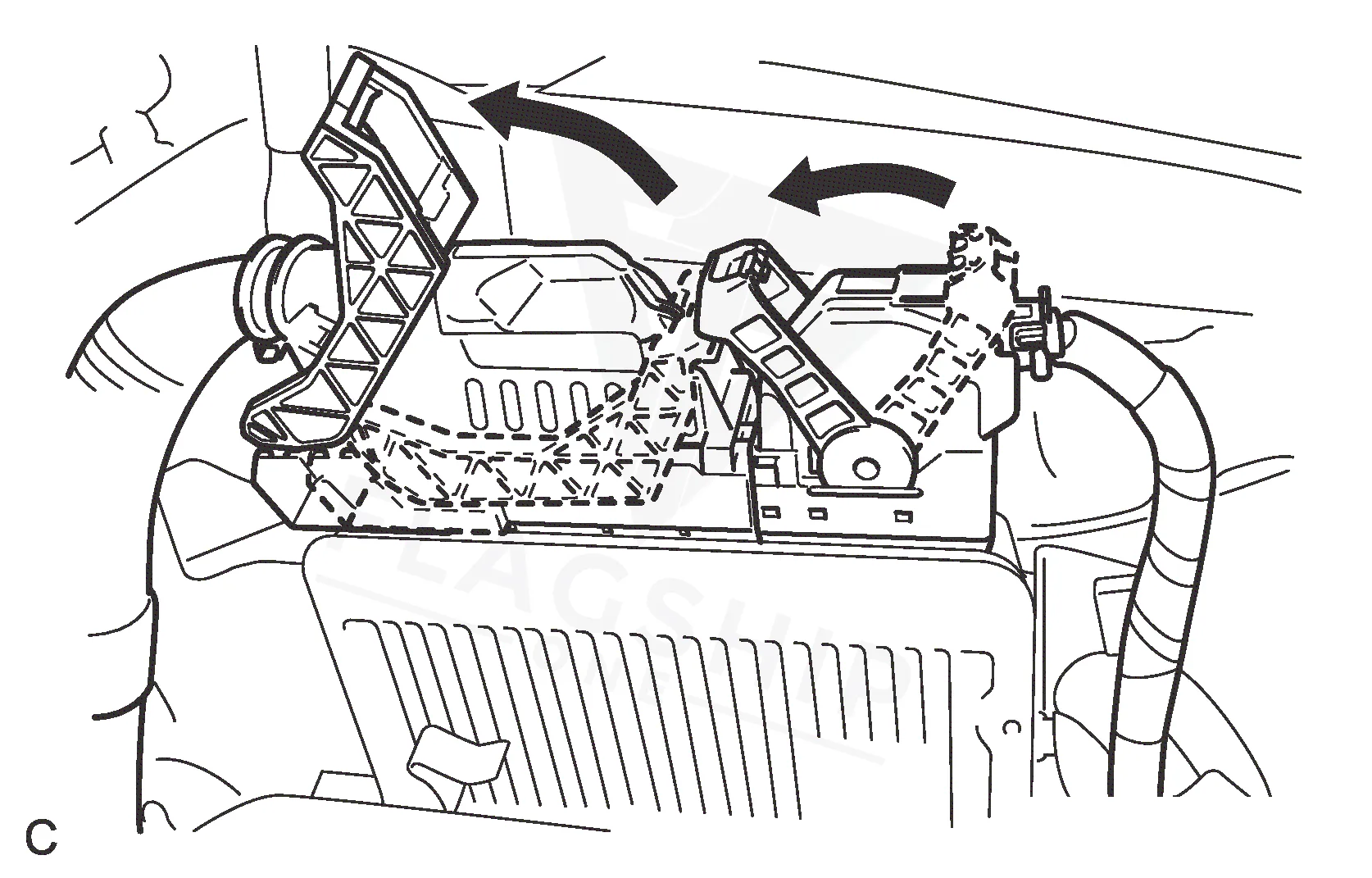
Work with the ignition off, and treat the module as static-sensitive: avoid touching the connector pins at any point.
| Operation | Configuration | Book Time |
|---|---|---|
| Powertrain Control Module R&R | All configurations | 0.7 hr |
| Powertrain Control Module Relearn | All configurations | 0.5 hr |
| Engine Control Module Relearn | All configurations | 0.5 hr |
| Engine Control Module R&R | All configurations | 0.7 hr |
| Engine Control Module Reset | All configurations | 0.3 hr |
After installing a new module, the factory requires VIN registration to link the ECM to the specific vehicle, and certain systems must be initialized once the battery cable is reconnected. These steps ensure the hybrid control system recognizes the replacement and recalibrates adaptive parameters. Flagship One units arrive a VIN-programmed replacement unit so the VIN registration is already complete, and the initialization routine can proceed without dealer-level equipment. The technician still needs to perform the ECM relearn and reset procedures, which take 0.5 and 0.3 hours respectively, to finalize the installation.
Common signs of a failing engine control module in this hybrid include intermittent no-start conditions, sudden stalling while driving, rough idle or misfire-like behavior, and a scan tool that cannot establish communication with the ECM. The check engine light may illuminate with codes related to processor performance, and the hybrid system may default to a limited-power mode. One documented module-internal code is P0606 internal processor fault, which indicates the ECM has detected an internal processing error. If you notice any of these symptoms, have the module tested before assuming it is the sole cause, as wiring or sensor issues can mimic similar behavior.
The following table lists the module-internal trouble code documented for the 2013 Toyota Camry Hybrid ECM. This code is stored within the module itself and points to an internal fault rather than an external sensor or circuit issue. It serves as a starting point for diagnosis when the module is suspected.
| Code | Meaning | Full Guide |
|---|---|---|
| P0606 | Module processor failure | Full P0606 guide → |
Factory book time for ECM removal and installation is 0.7 hours, with an additional 0.5 hours for the relearn procedure and 0.3 hours for a reset if required.
Yes, the factory procedure mandates VIN registration when the ECM is replaced, and certain systems need initialization after the battery cable is reconnected.
Code P0606 indicates an internal processor fault within the ECM, meaning the module has detected a problem with its own internal operations.
If testing confirms the module is faulty, you can choose between a new dealer unit or a remanufactured option that carries the same programming. A refurbished ECM from a reputable supplier arrives with the VIN already registered, reducing the post-install steps to the factory relearn and reset procedures. This approach can save time and cost while delivering reliable performance for your 2013 Toyota Camry Hybrid.
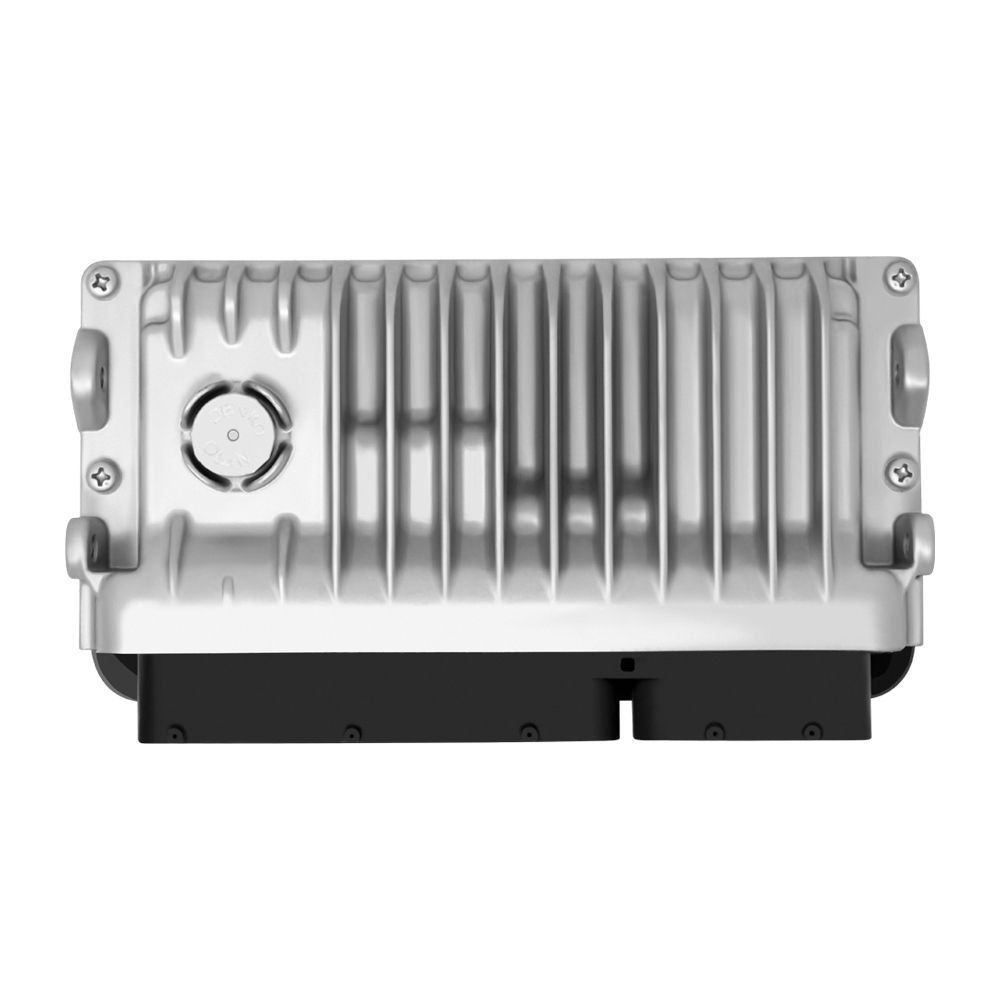
Flagship One stocks a refurbished, VIN-programmed PCM for the 2013 Toyota Camry Hybrid with a lifetime warranty, free shipping and no core charge. The full Toyota Camry Hybrid module lineup covers other engine configurations as well.
The 2013 Toyota Camry Hybrid relies on a properly functioning ECM to manage its hybrid powertrain. By following the factory access steps, observing the VIN registration requirement, and completing the relearn procedures, you can restore normal operation. If you need a replacement, consider a VIN-programmed unit to simplify the process and get back on the road quickly.