
Last updated on August 25th, 2026 at 12:00 pm
The engine control module in a 2011 Toyota Camry Hybrid manages fuel, ignition, and hybrid powertrain coordination. Failures may cause drivability issues, poor fuel economy, or hybrid system shutdowns due to internal processor or memory faults.
If your 2011 Toyota Camry Hybrid has been stalling, failing to start, or showing unexplained drivability issues, the engine control module might be the cause. This small but critical computer manages everything from fuel delivery to hybrid system coordination. When it malfunctions, you may notice poor performance, warning lights, or even a complete no-start condition. Understanding what this module does, where it’s located, and what replacement involves can help you make informed decisions about repairs. You’ll also learn why proper programming matters and how to protect the new unit once installed.
In the 2011 Toyota Camry Hybrid, the engine control module acts as the brain of the powertrain, coordinating fuel injection, ignition timing, and hybrid system operations. It ensures smooth transitions between gas and electric power while optimizing efficiency. A failure in this module replacement engine computers for the Camry Hybrid can disrupt these processes, leading to rough idling, reduced fuel economy, or even a vehicle that won’t start. Because it interfaces with both the engine and hybrid systems, its reliability is critical for daily driving. Without it, the vehicle may default to a limp-home mode or fail to operate entirely.
2011 Toyota Camry Hybrid: When the
OEM programmed replacements — plug & play, no dealer visit.
Find yours by year, make & model →
Free shipping · Lifetime warranty
The engine control module in the 2011 Toyota Camry Hybrid is typically mounted near the engine bay, though access may require removing some components. Replacing it involves disconnecting the battery and high-voltage system, which requires specific safety steps like wearing insulated gloves and removing the service plug grip. Once the old unit is removed, the new module is installed in its place. Labor time for replacement is usually 0.7 hours, while a reset procedure may take an additional 0.3 hours. Always ensure the service plug grip is kept secure to prevent accidental reconnection during work.
| Operation | Configuration | Book Time |
|---|---|---|
| Engine Control Module Relearn | All configurations | 0.5 hr |
| Engine Control Module R&R | All configurations | 0.7 hr |
| Engine Control Module Reset | All configurations | 0.3 hr |
| Powertrain Control Module R&R | All configurations | 0.7 hr |
| Powertrain Control Module Relearn | All configurations | 0.5 hr |
After installing a new engine control module in your 2011 Toyota Camry Hybrid, the factory requires a relearn procedure to synchronize the unit with the vehicle’s systems. This process typically takes 0.5 hours and ensures proper communication with the hybrid powertrain. However, if you opt for a VIN-programmed replacement unit, these steps are already completed, saving time and reducing the risk of programming errors. This pre-programming also ensures the module matches your vehicle’s specific configuration, avoiding potential drivability issues after installation.
A failing engine control module in the 2011 Toyota Camry Hybrid may cause a range of symptoms, including intermittent stalling, rough idling, or a no-start condition. You might also notice poor fuel economy, hesitation during acceleration, or warning lights on the dashboard. In some cases, the vehicle may enter a limp-home mode, limiting power to prevent further damage. Trouble codes like internal processor faults or P0607 often appear during a scan, indicating potential module failure. If your scan tool fails to communicate with the module, that’s another sign the unit may need attention.
The 2011 Toyota Camry Hybrid may log specific trouble codes when the engine control module develops internal faults. These codes help pinpoint issues like processor failures or memory corruption, guiding diagnostics and repairs.
| Code | Meaning | Full Guide |
|---|---|---|
| P0606 | Module processor failure | Full P0606 guide → |
| P0607 | Module performance fault | Full P0607 guide → |
Toyota issued a service bulletin (T-SB-0064-10) covering ECU flash reprogramming procedures for applicable models, including the 2011 Camry Hybrid. This bulletin outlines the steps for updating the module’s software using the Techstream diagnostic tool. If your vehicle requires a module replacement, following this procedure may be necessary to ensure compatibility with the latest software revisions.
| Bulletin | Subject | What It Addresses |
|---|---|---|
| T-SB-0064-10 | 01-11 Applicable Toyota Models: Techstream ECU Flash Reprogramming Procedure | — |
Common signs include stalling, rough idling, or a no-start condition. You may also see warning lights or trouble codes like P0606 or P0607. If your scan tool can’t communicate with the module, that’s another indication of potential failure.
Before working on the high-voltage system, wear insulated gloves and remove the service plug grip. Keep the grip in your pocket to prevent accidental reconnection while servicing. Always follow factory safety guidelines to avoid electrical shocks.
Yes, the factory requires a relearn procedure to synchronize the module with the vehicle’s systems. This typically takes 0.5 hours. However, a pre-programmed replacement unit eliminates this step, saving time and reducing complexity.
If your 2011 Toyota Camry Hybrid is experiencing module-related issues, you have options. A professional repair shop can diagnose and replace the unit, following factory procedures for safety and programming. Alternatively, a refurbished replacement module, already programmed to your VIN, can simplify the process and get you back on the road faster.
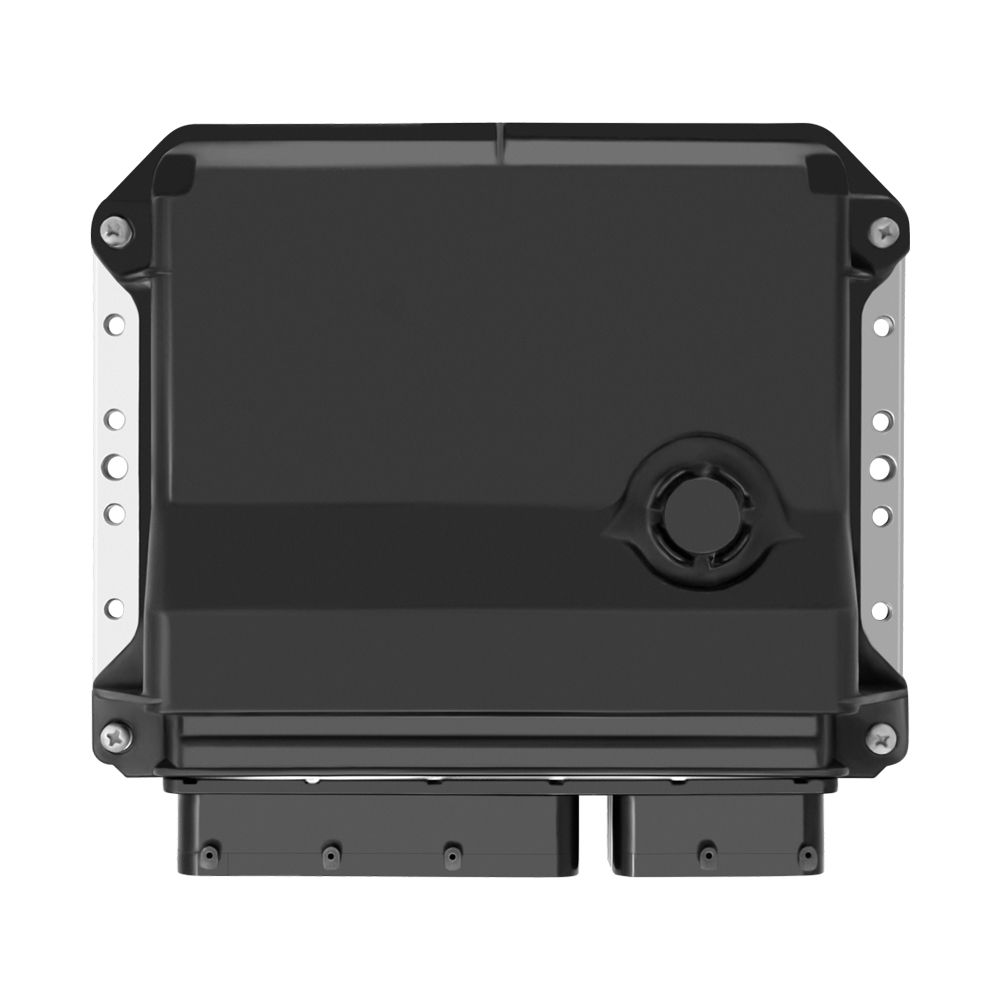
Flagship One stocks a refurbished, VIN-programmed PCM for the 2011 Toyota Camry Hybrid with a lifetime warranty, free shipping and no core charge. The full Toyota Camry Hybrid module lineup covers other engine configurations as well.
The engine control module in your 2011 Toyota Camry Hybrid plays a vital role in keeping the powertrain running smoothly. If you’re facing drivability issues or trouble codes, addressing the module promptly can restore performance and reliability. Whether you choose a repair or a replacement, understanding the process helps you make the best decision for your vehicle.