
Last updated on August 25th, 2026 at 11:58 am
The engine control module in the 2013 Toyota Avalon Hybrid manages critical 2.5L powertrain functions, including fuel delivery and ignition timing. When this computer malfunctions, it may cause starting failures, drivability concerns, or a complete loss of diagnostic communication.
Dealing with engine computer issues on your 2013 Toyota Avalon Hybrid can be frustrating, especially when symptoms like stalling or warning lights appear unexpectedly. The engine control module acts as the brain of your 2.5L powertrain, coordinating fuel, ignition, and emissions systems. Understanding how this component works, where it is located, and what is required for a proper swap can save you time and reduce uncertainty. This guide outlines the specific replacement steps, factory programming requirements, and common signs of failure for your vehicle. By knowing the expected labor times and necessary relearn procedures, you can approach the repair with confidence, whether you are doing it yourself or relying on a professional mechanic.
In your 2013 Toyota Avalon Hybrid, the engine control module is the central processor that dictates how the 2.5L engine operates. It continuously monitors data from various sensors across the powertrain to adjust fuel injection, control ignition timing, and manage emission controls. This ensures the vehicle runs efficiently and smoothly under varying driving conditions. When this unit begins to degrade, the vehicle may experience poor fuel economy, erratic shifting, or a failure to start. Because it oversees such a wide array of functions, a malfunctioning unit severely impacts drivability and safety. Replacing it with 2013 Toyota Avalon Hybrid replacement engine computers ensures the processor correctly interprets sensor data and commands the fuel and ignition systems appropriately. A properly functioning module is essential for maintaining the factory-calibrated performance of your hybrid sedan, preventing cascading issues that could affect other expensive drivetrain components over time.
2013 Toyota Avalon Hybrid
OEM programmed ECM for your 2013 Toyota Avalon Hybrid — plug & play, no dealer visit.
Free shipping · Lifetime warranty
Accessing the engine control module on the 2013 Toyota Avalon Hybrid first requires detaching the negative battery cable. The specified book time for removing and reinstalling the unit is 0.7 hours. If you are only servicing the engine computer, you can often leave the battery and the cool air intake duct seal in place, simplifying the job. The powertrain control module also carries a 0.7-hour replacement time. After the physical swap is complete, an additional 0.5 hours of labor is typically allocated for the engine control module relearn procedure. This step ensures the new unit syncs correctly with the rest of the vehicle’s systems. Taking these access steps and time estimates into account helps in planning the repair efficiently, whether you are turning the wrench yourself or relying on a shop.
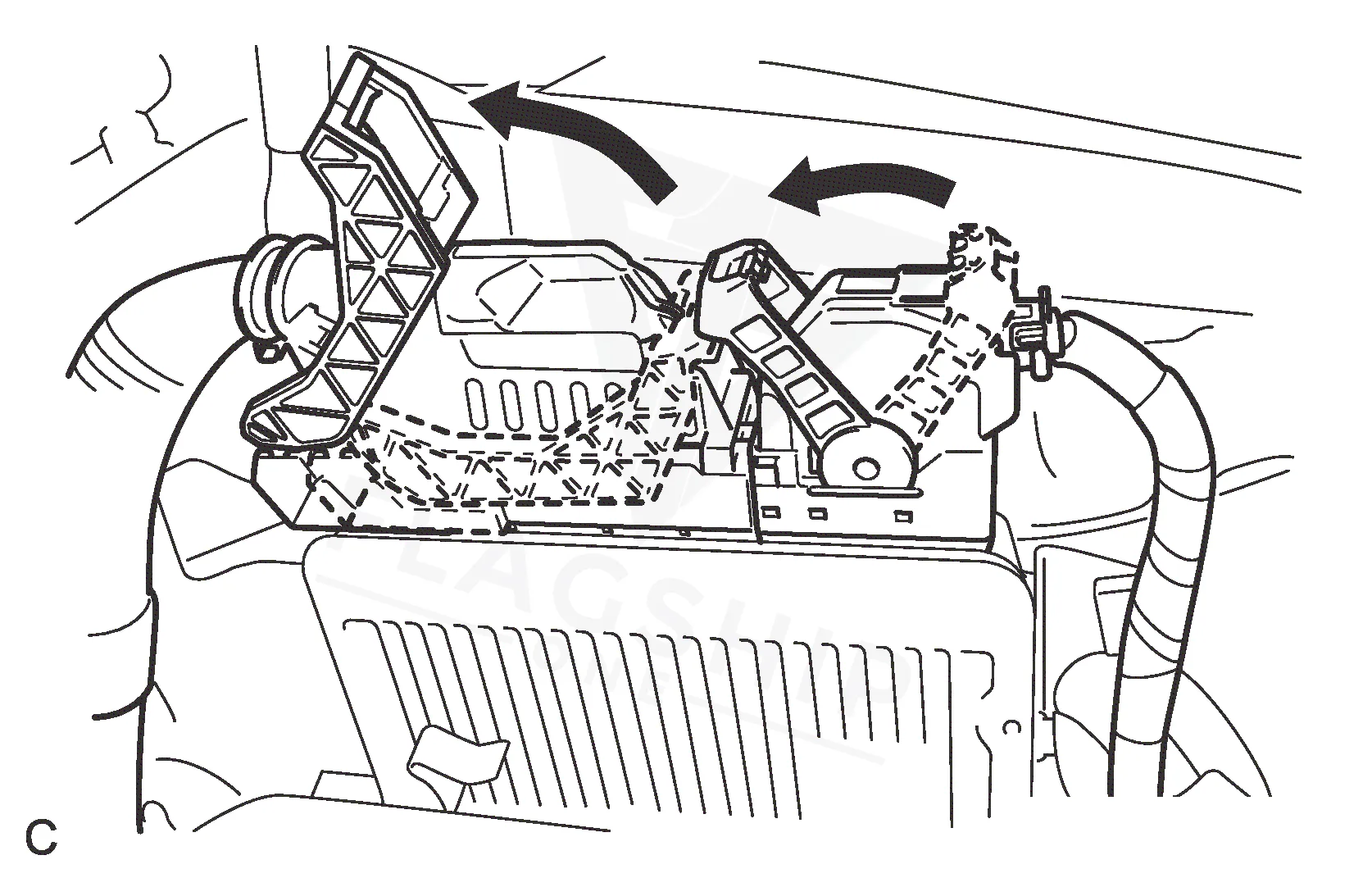
Work with the ignition off, and treat the module as static-sensitive: avoid touching the connector pins at any point.
| Operation | Configuration | Book Time |
|---|---|---|
| Powertrain Control Module R&R | All configurations | 0.7 hr |
| Engine Control Module Relearn | All configurations | 0.5 hr |
| Engine Control Module R&R | All configurations | 0.7 hr |
Following the installation of a new engine computer, the factory specifies that you must complete a vehicle identification number registration for the 2013 Toyota Avalon Hybrid. This registration process links the new module to your specific vehicle, allowing it to communicate properly with the immobilizer and other networked systems. Skipping this step may result in a no-start condition or continued fault codes. Choosing a pre-programmed replacement unit from Flagship One means the required vehicle identification number registration is already handled before the part arrives. This allows you to install the module and start the engine without needing additional dealership programming tools, getting your sedan back on the road faster and with less hassle.
When the engine computer begins to fail in the 2013 Toyota Avalon Hybrid, several noticeable drivability issues often arise. You might experience a crank-but-no-start condition, where the engine turns over but refuses to fire. Stalling at idle or intermittent misfires are also common, creating unpredictable driving dynamics. Sometimes, the transmission may struggle with harsh or delayed shifting because the unit cannot properly communicate with the transmission controller. You may also find that your diagnostic scan tool cannot establish a connection with the vehicle, indicating a complete module failure. Internal processor faults frequently trigger specific diagnostic trouble codes; for instance, you may find an internal processor fault code stored in the system when the module encounters a critical processing error. Addressing these symptoms promptly can prevent further wear on related components.
Diagnostic trouble codes pointing to internal module failures are specific to the processor itself rather than external sensors. The following list outlines the documented module-internal fault for the 2013 Toyota Avalon Hybrid, helping you identify if your unit requires replacement.
| Code | Meaning | Full Guide |
|---|---|---|
| P0606 | Module processor failure | Full P0606 guide → |
The industry book time for removing and reinstalling the engine control module on this vehicle is 0.7 hours. You should also account for an additional 0.5 hours to perform the required engine control module relearn procedure.
While you must detach the negative battery cable, you typically do not need to remove the battery itself or the cool air intake duct seal if you are only servicing the engine control module.
The factory procedure requires completing a vehicle identification number registration when the module is replaced. This step ensures the new computer integrates properly with the vehicle’s immobilizer and network systems.
Choosing between repairing or replacing the engine computer in your 2013 Toyota Avalon Hybrid depends on the nature of the failure. While some localized circuit board damage might be repairable, internal processor faults often require a full replacement to restore reliable operation. A refurbished replacement programmed to your specific vehicle identification number provides a straightforward solution, eliminating the need for dealership programming and getting your sedan back on the road efficiently.
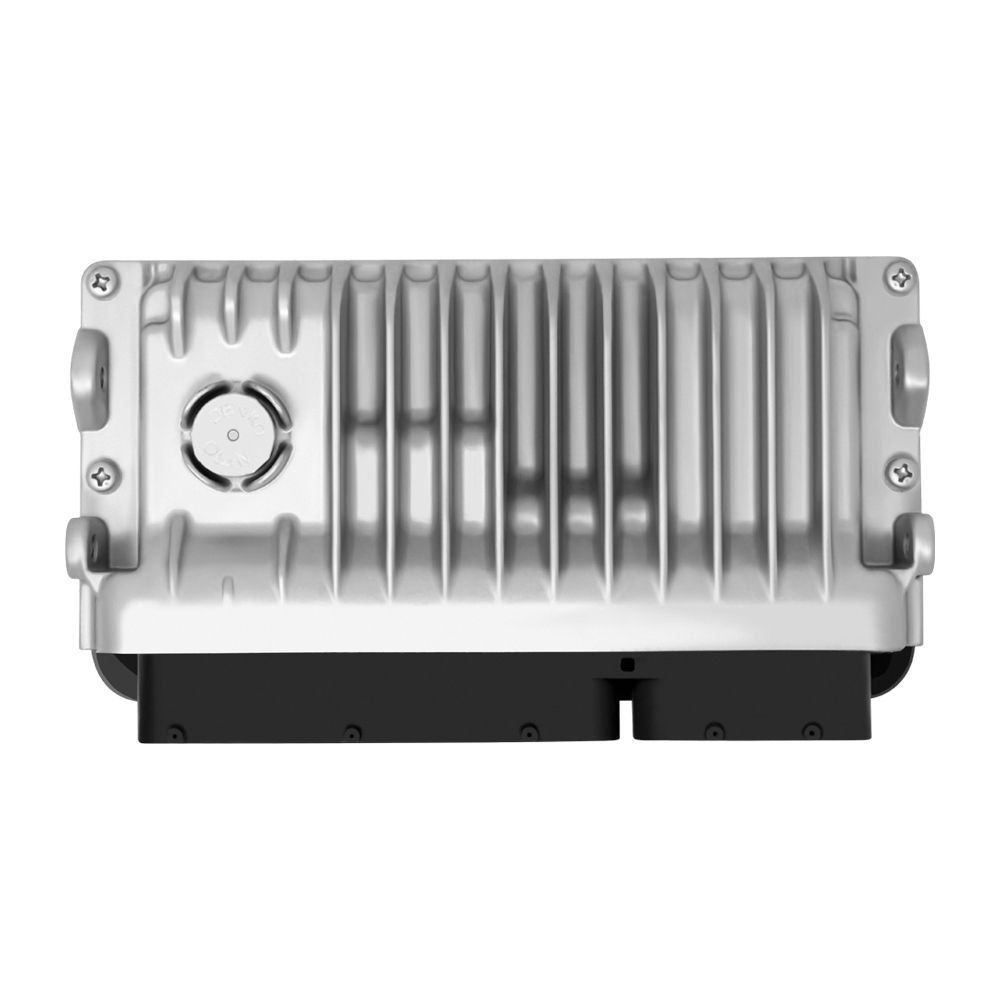
Flagship One stocks a refurbished, VIN-programmed PCM for the 2013 Toyota Avalon Hybrid with a lifetime warranty, free shipping and no core charge. The full Toyota Avalon Hybrid module lineup covers other engine configurations as well.
Addressing engine control module failures promptly ensures your 2013 Toyota Avalon Hybrid remains dependable. Understanding the replacement steps, labor times, and VIN registration requirements allows you to tackle the repair confidently. If you are experiencing symptoms like stalling or processor fault codes, explore quality replacement options to restore your vehicle’s performance.