
Last updated on August 25th, 2026 at 11:59 am
The engine control module in the 2012 Toyota Tacoma with the 2.7L engine manages fuel delivery, ignition timing, and emissions functions. When the module fails, it may cause stalling, no-start conditions, or loss of diagnostic communication, often accompanied by internal processor error codes that point to the unit itself.
When your 2012 Toyota Tacoma starts acting up with no obvious mechanical cause, the engine control module is often a suspect. This computer manages how your 2.7L engine runs day to day, adjusting fuel, spark, and air to keep everything balanced. If it malfunctions, you may face anything from rough running to a complete no-start situation. Understanding what this module does, where it sits, and what happens when it fails helps you make informed repair decisions. Replacing one involves more than just swapping parts, though. The factory specifies several initialization steps that must follow installation, and skipping them can lead to ongoing drivability problems. This guide walks through the essentials so you know what to expect, what the labor involves, and how a pre-programmed unit may simplify the process for your truck.
The engine control module in your 2012 Toyota Tacoma serves as the central processor for the 2.7L powertrain. It continuously reads input from sensors monitoring airflow, coolant temperature, oxygen levels, and throttle position, then adjusts fuel injection and ignition timing to match current driving conditions. This unit also oversees emissions controls and communicates with other onboard systems to coordinate overall vehicle operation. Because it manages so many interdependent functions, a failing module often produces wide-ranging symptoms that can mimic other problems, making accurate diagnosis essential. When shopping for replacement engine computers for the Tacoma, it helps to understand that not all units arrive ready to install. The factory expects specific programming and initialization procedures after a new module is connected. Without proper VIN registration and throttle body setup, the engine may run poorly or trigger warning lights. The module also stores adaptive learning data that tailors engine behavior to your driving habits and wear patterns over time, so a reset or relearn is typically part of the replacement process.
2012 Toyota Tacoma
OEM programmed replacements — plug & play, no dealer visit.
Find yours by year, make & model →
Free shipping · Lifetime warranty
The engine control module on the 2012 Toyota Tacoma is accessed after disconnecting the negative battery cable, which isolates the electrical system before service begins. Once the battery is isolated, the technician removes the module from its mounting location and transfers any necessary components to the replacement unit. Published labor time for removing and reinstalling the ECM is 0.5 hours. If a powertrain control module is being serviced instead, the book time for removal and reinstallation is 0.7 hours. After physical installation, additional labor operations may apply depending on what the vehicle needs. An ECM relearn procedure carries a book time of 0.5 hours, while a PCM relearn is also 0.5 hours. An ECM reset operation is listed at 0.3 hours. These times are published estimates that guide repair planning, and your actual service time may vary based on shop conditions and whether any additional issues are discovered during the process.
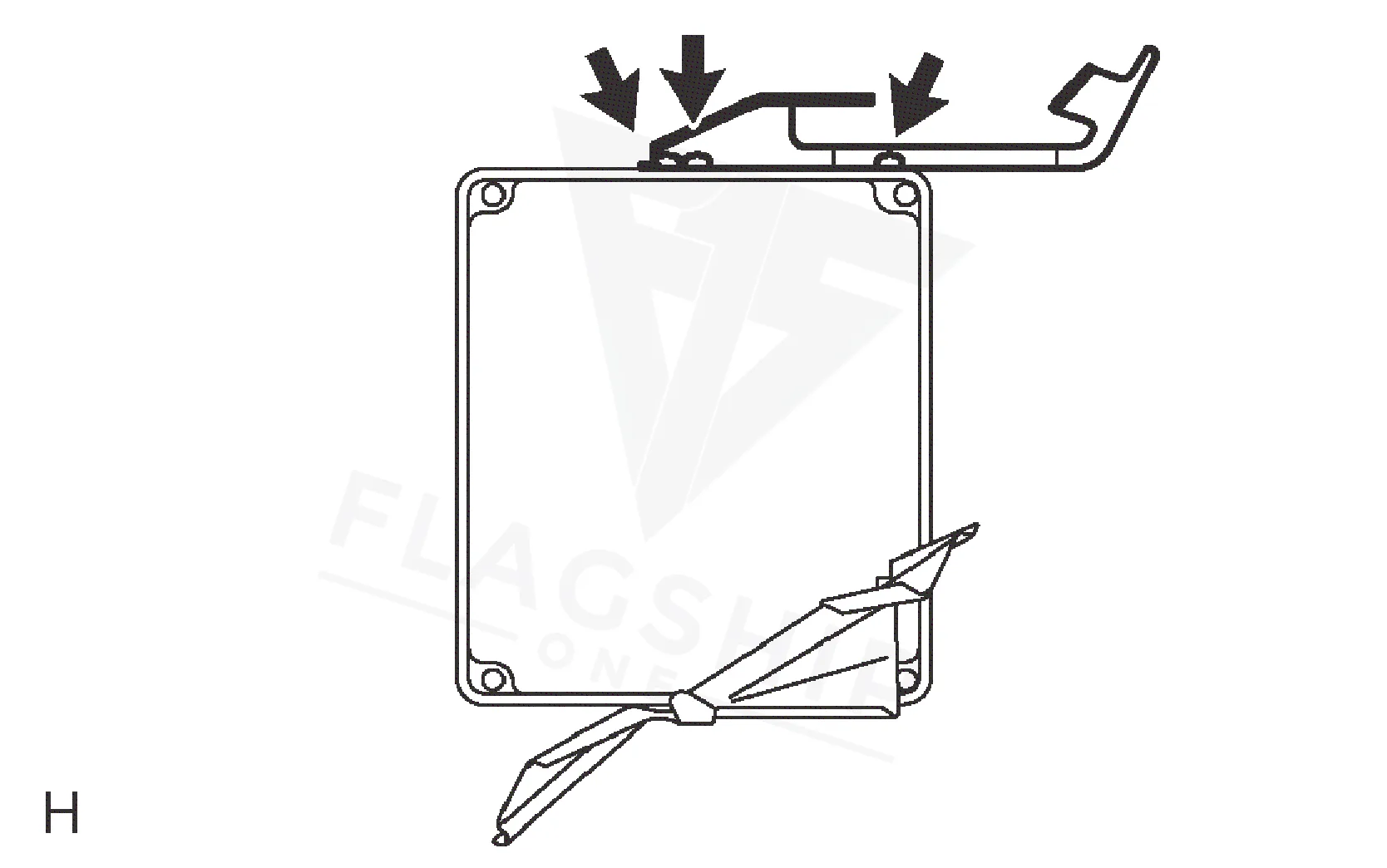
Work with the ignition off, and treat the module as static-sensitive: avoid touching the connector pins at any point.
| Operation | Configuration | Book Time |
|---|---|---|
| Powertrain Control Module R&R | All configurations | 0.7 hr |
| Powertrain Control Module Relearn | All configurations | 0.5 hr |
| Engine Control Module Relearn | All configurations | 0.5 hr |
| Engine Control Module R&R | All configurations | 0.5 hr |
| Engine Control Module Reset | All configurations | 0.3 hr |
Factory procedures for the 2012 Toyota Tacoma require several steps after a new ECM is installed. VIN registration must be performed so the module recognizes your specific vehicle. Throttle body initialization is also specified to restore proper idle control. Additionally, automatic transmission memory reset is required when the ECM is replaced, ensuring smooth shift adaptation. Choosing a VIN-programmed replacement unit from Flagship One means your vehicle identification number is already entered and key programming steps are completed before the part ships. This may reduce the amount of dealership-level setup needed after installation, though your technician should still verify that all initialization procedures have been satisfied for proper operation.
A failing engine control module in the 2012 Toyota Tacoma can produce a range of drivability symptoms. You may experience hard starting or a complete no-start condition where the engine cranks but refuses to fire. Stalling at idle or while driving is also common, along with rough running, hesitation under acceleration, or unexpected misfire codes that do not trace back to spark plugs or coils. Some vehicles lose scan-tool communication entirely, preventing a technician from reading live data or clearing codes. Shifting irregularities may appear if the module stops communicating properly with the transmission controller. One specific diagnostic indicator is internal processor fault, which points to a problem within the module itself rather than in external sensors or wiring. Because these symptoms overlap with many other issues, a systematic diagnosis is important before condemning the computer. Checking power and ground supplies to the module should always be part of that process.
The following trouble code has been documented as a module-internal fault for the 2012 Toyota Tacoma. Module-internal codes indicate that the engine control module itself has detected a problem within its own circuitry or processor, rather than reporting a failure in an external sensor or actuator. This distinction helps narrow diagnosis towards the computer rather than surrounding components.
| Code | Meaning | Full Guide |
|---|---|---|
| P0606 | Module processor failure | Full P0606 guide → |
The published book time for removing and reinstalling the ECM is 0.5 hours. A relearn procedure is listed at 0.5 hours, and an ECM reset carries a time of 0.3 hours. Your actual service duration may vary depending on shop conditions and whether additional procedures are needed.
P0606 indicates an internal processor malfunction within the engine control module. This code typically points to a fault inside the module itself rather than in external sensors or wiring. A thorough diagnosis is recommended before replacing the unit, as power supply or ground issues can sometimes trigger similar codes.
Yes, the factory specifies VIN registration, throttle body initialization, and automatic transmission memory reset when the ECM is replaced. Flagship One provides units that arrive already programmed with your vehicle identification number, which may reduce the amount of post-installation setup required at a dealership.
If your 2012 Toyota Tacoma is showing signs of module failure, you have options. A dealership can order a new unit and perform all factory programming on site, though that route often involves higher cost and longer wait times. A refurbished replacement from Flagship One offers a practical alternative, arriving with your VIN already programmed so the most critical setup steps are handled before shipping. Your technician still needs to complete throttle body initialization and transmission memory reset after installation, but the VIN registration step is already taken care of.
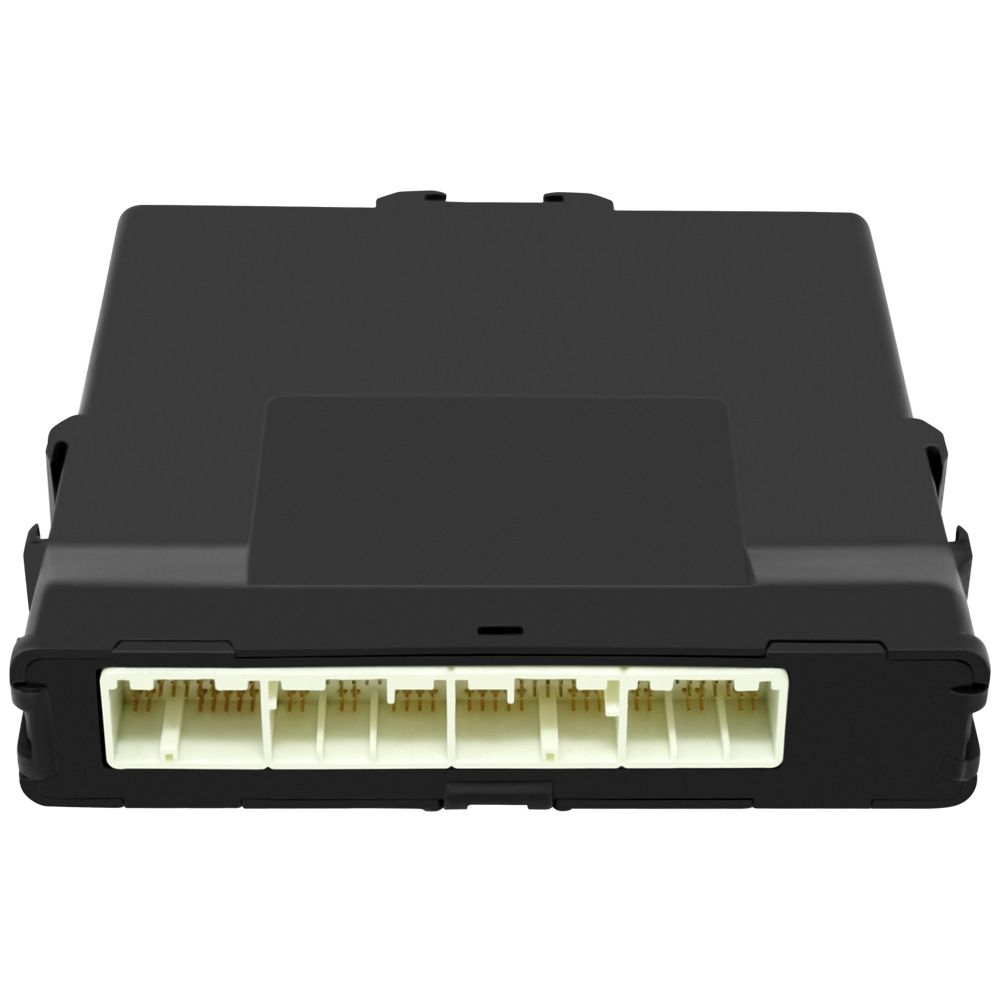
Flagship One stocks a refurbished, VIN-programmed PCM for the 2012 Toyota Tacoma with a lifetime warranty, free shipping and no core charge. The full Toyota Tacoma module lineup covers other engine configurations as well.
The engine control module in your 2012 Toyota Tacoma plays a central role in keeping the 2.7L engine running smoothly. When it fails, symptoms can range from stalling to a complete no-start, and the factory requires specific programming steps after replacement. A pre-programmed unit from Flagship One may simplify that process by handling VIN registration before the part arrives. If you suspect module failure, have your vehicle professionally diagnosed and consider a refurbished replacement to get back on the road.