
Last updated on August 25th, 2026 at 12:00 pm
The Engine Control Module on your 2009 Toyota Tacoma is the central computer managing engine functions including fuel injection, ignition timing, emissions controls, and transmission shift points. When this unit fails, your vehicle may experience drivability issues, check engine lights, or complete no-start conditions.
If your 2009 Toyota Tacoma is experiencing starting problems, unexpected stalling, or transmission shifting irregularities, the Engine Control Module could be the culprit. This comprehensive guide explains how the ECM functions in your Tacoma, what happens when it fails, and the steps required to restore proper operation. Whether you are diagnosing a no-start condition or preparing for module replacement, understanding the reprogramming requirements and labor involved helps you make informed decisions about the repair. The 2.7L four-cylinder Tacoma relies heavily on its ECM for smooth operation, and this article covers the factory procedures, common symptoms, and your replacement options so you can approach the repair with confidence.
2009 Toyota Tacoma
OEM programmed ECM for your 2009 Toyota Tacoma — plug & play, no dealer visit.
Free shipping · Lifetime warranty
The Engine Control Module in your 2009 Toyota Tacoma serves as the brain of the powertrain, processing inputs from dozens of sensors throughout the engine and transmission to optimize performance, fuel economy, and emissions. This computer controls fuel injector pulse width, ignition coil firing, variable valve timing, the mass airflow sensor, and the automatic transmission shift points. For the 2.7L engine in this truck, the ECM also manages the electronic throttle control system and communicates with the anti-lock braking system. When the internal memory becomes corrupted or the processor fails, the module may store internal fault codes that prevent proper communication with diagnostic tools. Replacing the ECM requires careful consideration of programming requirements, as the module must be matched to your specific vehicle identification number to function properly. If you need replacement engine computers for the Tacoma, the unit must be flashed with the correct calibration before the engine will run.
The Engine Control Module on your 2009 Toyota Tacoma is located inside the vehicle cabin, typically mounted behind the passenger-side kick panel or under the right front seat, depending on the exact production configuration. Access requires removing the interior trim panels to reach the module, which is housed in a protective plastic enclosure with a multi-pin electrical connector. The replacement procedure involves disconnecting the battery, removing the old module, transferring any mounting hardware, and connecting the new unit to the factory wiring harness. According to factory labor guidelines, the R&R procedure for the Engine Control Module takes approximately 0.5 hours, while the Powertrain Control Module R&R is rated at 0.7 hours. After physical installation, the module requires initialization using proper diagnostic equipment to establish communication with the rest of the vehicle systems.
| Operation | Configuration | Book Time |
|---|---|---|
| Powertrain Control Module R&R | All configurations | 0.7 hr |
| Powertrain Control Module Relearn | All configurations | 0.5 hr |
| Engine Control Module Relearn | All configurations | 0.5 hr |
| Engine Control Module R&R | All configurations | 0.5 hr |
| Engine Control Module Reset | All configurations | 0.3 hr |
After installing a replacement ECM in your 2009 Toyota Tacoma, the factory procedure requires connecting a Toyota Techstream or equivalent diagnostic tool to perform a relearn procedure and reset adaptive values. The ECM reset procedure takes approximately 0.3 hours according to the labor guide, while the relearn procedure adds another 0.5 hours to the job. This step calibrates the new module to your specific engine and transmission, resetting fuel trims and transmission adaptive values to factory specifications. However, when you purchase a VIN-programmed replacement unit from Flagship One, the module arrives pre-loaded with the correct calibration for your specific vehicle identification number, significantly reducing the post-install programming burden. This means the essential relearn steps may already be completed at the factory, saving you time and potentially avoiding a trip to the dealer for proprietary programming equipment.
When the Engine Control Module on your 2009 Toyota Tacoma begins to fail, several distinct symptoms typically emerge. The most common complaint is a no-start condition where the engine cranking motor operates but the engine fails to fire, often accompanied by a rapidly flashing check engine light or no illumination at all. Stalling shortly after startup indicates the ECM is not maintaining proper idle control or fuel delivery, and this condition often worsens as the module heats up. Misfire codes such as P0300 through P0304 may appear when the module loses control of individual cylinder fuel injection or ignition events. In some cases, the scan tool may show no communication with the ECM, indicating a failed internal processor or corrupted memory. Transmission shifting problems including harsh shifts, delayed engagement, or failure to shift into overdrive often stem from ECM issues since the module controls shift solenoids and clutch apply timing. If you retrieve internal memory check sum error during diagnostics, this specifically indicates the ECM has detected an internal fault that typically requires replacement.
Toyota released several service bulletins addressing calibration and programming concerns for the 2009 Tacoma. Bulletin T-SB-0373-09 addresses ECM calibration updates intended to enhance shifting performance and smoothness in the automatic transmission. A similar bulletin, T-TCI-3310, covers the same enhancement for units sold in Canada. Additionally, bulletin T-SB-0064-10 provides the factory-approved procedure for ECU flash reprogramming using the Toyota Techstream diagnostic system across multiple model years including this Tacoma. These bulletins confirm that the ECM calibration is critical for proper transmission operation and that Toyota considers proper programming a routine part of module replacement.
| Bulletin | Subject | What It Addresses |
|---|---|---|
| T-TCI-3310 | ’09 Tacoma: Ecm Calibration: Enhancement to Shifting Performance & Smoothness (Canada) | — |
| T-SB-0373-09 | 09 Tacoma: ECM Calibration: Enhancement to Shifting Performance & Smoothness | — |
| T-SB-0064-10 | 01-11 Applicable Toyota Models: Techstream ECU Flash Reprogramming Procedure | — |
When your 2009 Toyota Tacoma requires an ECM replacement, you have two primary paths: a genuine Toyota new module with dealer programming, or a quality refurbished unit from Flagship One that arrives VIN-programmed and ready to run. The refurbished option provides significant cost savings while maintaining reliability, and the pre-programming eliminates the need for dealer flash procedures. Consider your budget, timeline, and access to programming equipment when making your decision, and remember that proper installation and connector care are essential for long-term reliability.
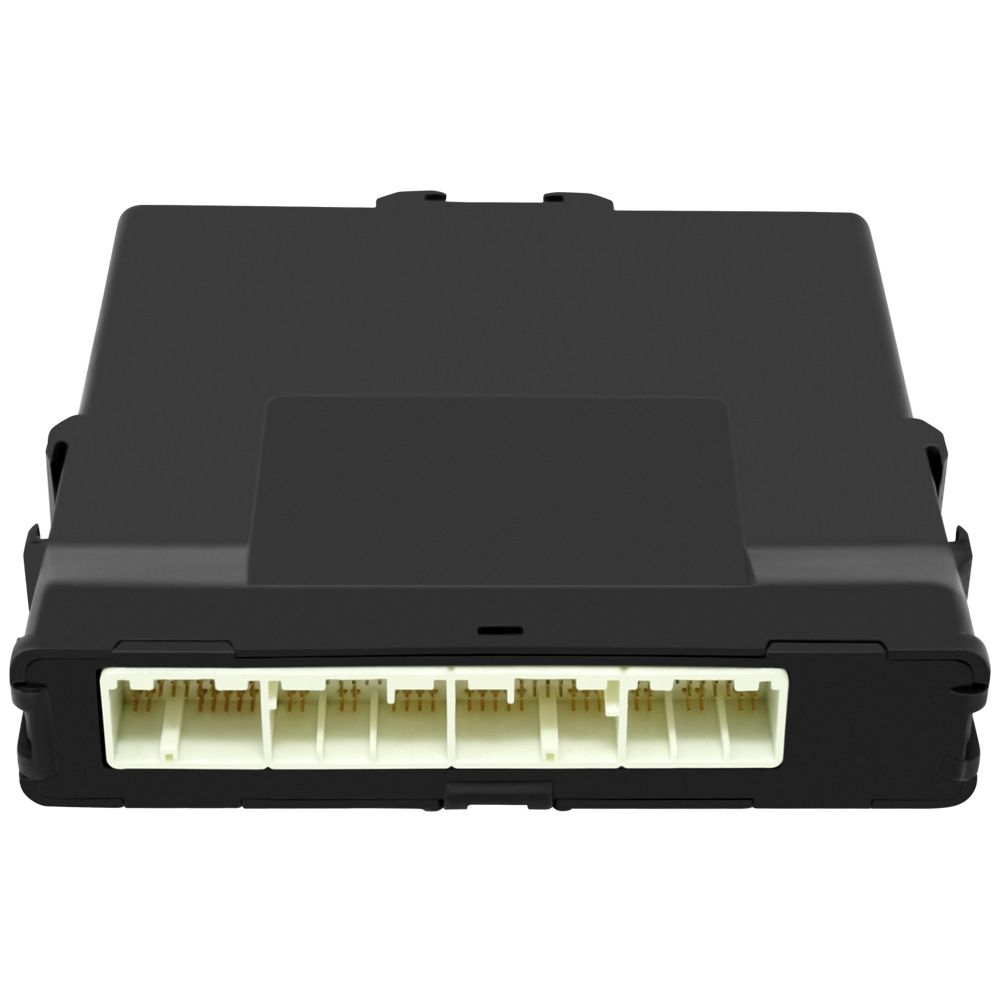
Flagship One stocks a refurbished, VIN-programmed PCM for the 2009 Toyota Tacoma with a lifetime warranty, free shipping and no core charge. The full Toyota Tacoma module lineup covers other engine configurations as well.
The Engine Control Module is essential for your 2009 Toyota Tacoma to run properly, and understanding its role helps you diagnose and address issues effectively. Whether you choose dealer programming or a pre-programmed replacement unit, addressing ECM problems promptly prevents secondary damage and gets you back on the road reliably. Flagship One offers competitively priced replacement modules configured specifically for your Tacoma, backed by technical support to ensure a successful installation.