
Last updated on August 25th, 2026 at 12:01 pm
The engine computer manages fuel delivery and ignition timing within your 2009 Toyota Land Cruiser. When this unit fails, you may encounter drivability concerns or communication errors. Proper diagnosis ensures you address the root cause rather than swapping parts unnecessarily during service.
When your 2009 Toyota Land Cruiser exhibits irregular engine behavior, the engine control module often becomes a primary suspect for diagnostic technicians investigating performance concerns. Understanding the specific role of this computer helps you make informed decisions about necessary repairs versus simple adjustments or recalibration. You gain clarity on labor expectations and factory procedures required after installation of a new unit or refurbished exchange. This guide explains typical failure modes without suggesting unnecessary part replacement or speculative troubleshooting steps that waste time. You will learn about standard removal times and relearn processes specific to your vehicle configuration and engine management system. Proper diagnosis protects you from spending on components that may not resolve the underlying concern effectively or permanently. We focus on factual labor data and documented service information to support your repair strategy accurately and efficiently. Recognizing symptoms early allows you to address issues before they affect drivability significantly or cause secondary damage to other systems.
2009 Toyota Land Cruiser
OEM programmed ECM for your 2009 Toyota Land Cruiser — plug & play, no dealer visit.
Free shipping · Lifetime warranty
This computer manages critical functions like ignition timing and fuel mixture within your 2009 Toyota Land Cruiser. It processes data from various sensors to optimize performance and emissions compliance continuously throughout operation. When internal circuits degrade, you may experience stalling or communication loss with diagnostic tools during scanning. Replacement units must match the original hardware specifications to ensure compatibility with existing wiring harnesses and connectors. You should consider replacement engine computers for Land Cruiser when sourcing parts to guarantee proper fitment and function within the engine bay. The module protects itself by entering limp mode if it detects significant voltage irregularities or sensor faults internally. Understanding these operations helps you distinguish between computer failure and external sensor issues during diagnosis and troubleshooting. Proper handling prevents static damage that could render a functional unit inoperative after installation.
The engine control module is typically located within the engine compartment of your 2009 Toyota Land Cruiser. Access usually involves removing protective covers to reach the mounting bracket securely. Book time guidelines suggest removal and installation takes approximately 0.5 hours for the component itself. Another 0.5 hours is often allocated for the engine control module relearn procedure separately. Technicians may also reference 0.5 hours for powertrain control module removal depending on the specific service definition used. You should verify access requirements before starting work to ensure you have the necessary tools ready. Connecting the harness requires care to avoid damaging pins during the reinstallation process.
| Operation | Configuration | Book Time |
|---|---|---|
| Powertrain Control Module R&R | All configurations | 0.5 hr |
| Engine Control Module Relearn | All configurations | 0.5 hr |
| Engine Control Module R&R | All configurations | 0.5 hr |
Factory procedures often require flashing the unit with specific calibration data after installation on your 2009 Toyota Land Cruiser. The technical service bulletin indicates a reprogramming procedure using specialized diagnostic equipment is applicable to these models. However, Flagship One units arrive with this work completed beforehand to simplify the repair process. You install a VIN-programmed replacement unit and avoid the need for additional flashing steps at the shop during service. This eliminates the 0.5 hours typically booked for relearn tasks in many scenarios involving computer replacement. Your vehicle recognizes the new computer immediately without requiring manual initialization sequences from the technician. This approach reduces shop time and potential errors during the configuration process significantly.
Common signs of module failure include unexpected stalling or hesitation during acceleration in your 2009 Toyota Land Cruiser. You might notice the engine fails to start despite having fuel and spark available for combustion cycles consistently. Diagnostic tools may lose communication with the engine system entirely when scanning for faults or stored codes remotely. Shifting issues can occur if the computer cannot transmit data to the transmission controller properly during operation phases. Intermittent power loss often suggests internal circuitry is failing under load or heat stress within the electronic control box. These symptoms mimic sensor failures, so verifying wiring integrity is essential before condemning the computer unnecessarily during diagnosis steps. Rough idle conditions may develop as the unit struggles to manage air and fuel ratios accurately under varying loads. In some cases, the check engine light may illuminate without storing specific diagnostic trouble codes for review by technicians.
Factory documentation includes bulletin #T-SB-0064-10 released in January 2011. This notice covers applicable Toyota models regarding ECU flash reprogramming procedures. Technicians use specialized software to update calibration data within the control unit. Following this procedure ensures your 2009 Toyota Land Cruiser meets current performance specifications. The bulletin outlines the steps required to complete the flash process successfully. Adhering to these guidelines helps prevent communication errors after service work is performed on the vehicle.
| Bulletin | Subject | What It Addresses |
|---|---|---|
| T-SB-0064-10 | 01-11 Applicable Toyota Models: Techstream ECU Flash Reprogramming Procedure | — |
Factory guidelines often specify a relearn procedure taking 0.5 hours. However, pre-programmed units eliminate this step for your convenience.
Labor guides typically allocate 0.5 hours for removal and installation of the module. Access may vary based on engine bay configuration.
Yes, since the module shares data with the transmission controller. Communication loss may lead to harsh or delayed shifting events.
Bulletin #T-SB-0064-10 addresses flash procedures for applicable models including your 2009 Toyota Land Cruiser.
Yes, verifying power and ground prevents unnecessary replacement. External issues often mimic internal computer failure symptoms.
You may choose to repair your existing unit or install a refurbished replacement. Refurbished options often provide a faster solution than attempting board-level repairs locally. Your 2009 Toyota Land Cruiser benefits from a unit that matches factory calibration standards. Consider the labor savings of a plug-and-play option versus the time required for flashing.
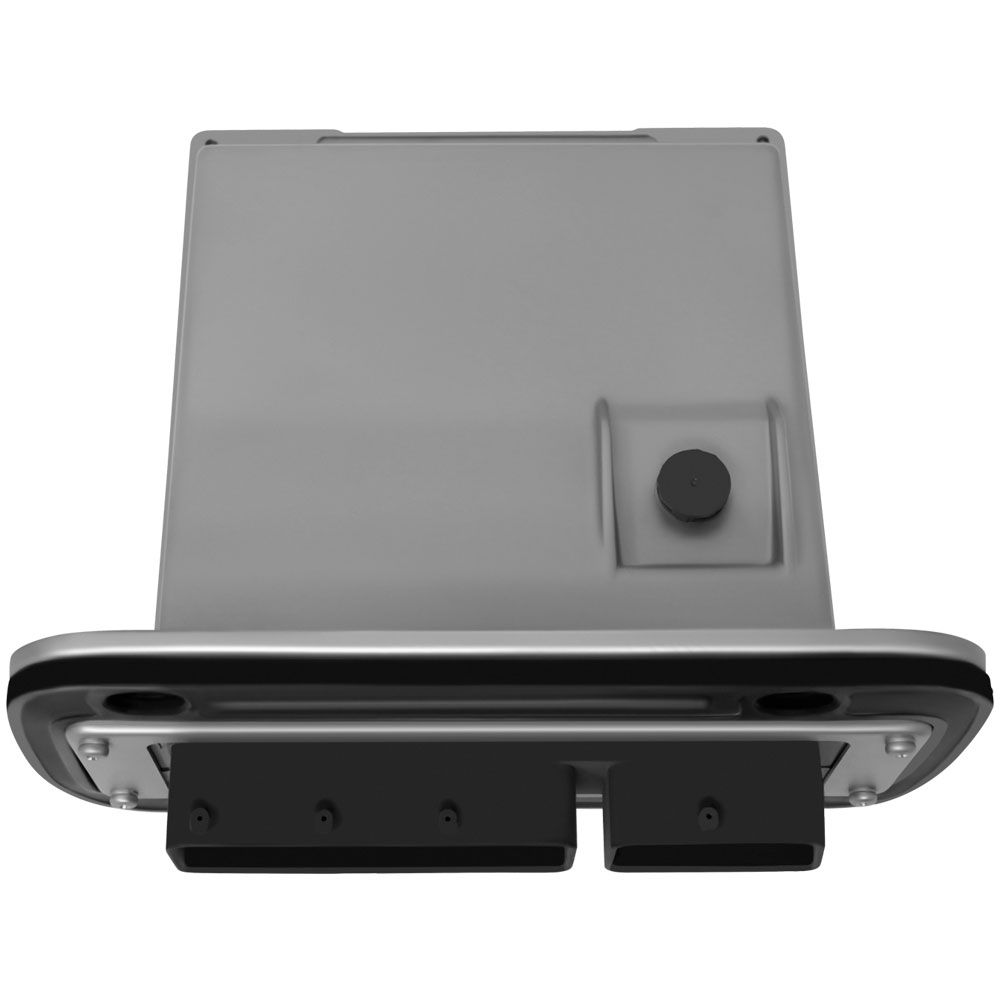
Flagship One stocks a refurbished, VIN-programmed PCM for the 2009 Toyota Land Cruiser with a lifetime warranty, free shipping and no core charge. The full Toyota Land Cruiser module lineup covers other engine configurations as well.
Maintaining your 2009 Toyota Land Cruiser requires attention to the engine control system. Understanding labor times and procedures helps you plan repairs effectively. Whether you choose repair or replacement, accurate diagnosis remains the most critical step. Proper handling ensures reliable performance for miles to come.