
Last updated on August 25th, 2026 at 12:02 pm
The engine and powertrain control modules in a 2007 Toyota Land Cruiser act as the primary electronic brains for the 4.7L engine. These computers manage fuel delivery, ignition timing, and transmission shifts. Internal circuit failures or software corruption often cause erratic idling, poor fuel economy, or a complete failure to start.
When a 2007 Toyota Land Cruiser exhibits unpredictable performance, such as sudden stalling or an inability to start, the root cause often lies within the electronic control systems. The engine and powertrain control modules are the central hubs that process data from various sensors to ensure the 4.7L engine operates efficiently. Dealing with these components can be daunting because they involve complex software and precise hardware integration. By understanding the role of these computers, you can better diagnose whether a mechanical failure or an electronic glitch is affecting your vehicle. This guide explains the function of the PCM and ECM, the labor involved in replacing them, and the necessity of proper programming. You will learn how to identify symptoms of module failure and the steps required to restore the vehicle to factory specifications. Whether you are a DIY enthusiast or a professional technician, knowing the specific requirements for the 2007 Toyota Land Cruiser helps avoid costly mistakes during the repair process and ensures a reliable outcome for the drivetrain. Understanding these systems is vital for maintaining the legendary reliability associated with this model.
The engine control module and powertrain control module in a 2007 Toyota Land Cruiser serve as the primary logic centers for the vehicle’s mechanical operations. These units continuously monitor a network of sensors to adjust the air-fuel mixture, ignite spark plugs at the precise moment, and manage the shifting patterns of the transmission. This coordination is essential for the 4.7L engine to produce power while minimizing emissions and maximizing fuel efficiency. Because these modules integrate so many critical systems, a failure in one area can lead to a cascade of issues across the entire drivetrain. When searching for replacement engine computers for the 2007 Toyota Land Cruiser, it is important to recognize that these units are not merely passive parts but are sophisticated computers running complex software. If the internal capacitors fail or the processor degrades, the vehicle may experience intermittent power loss or a total failure to communicate with diagnostic tools. The precision of these modules ensures that the engine responds correctly to driver inputs while protecting the hardware from overheating or over-revving. Without a functioning control module, the fuel injectors will not fire and the ignition system will remain dormant, leaving the vehicle immobile. Maintaining the integrity of these computers is paramount for the long-term health of the 4.7L powertrain, as they dictate every combustion cycle and gear change.
2007 Toyota Land Cruiser
OEM programmed ECM for your 2007 Toyota Land Cruiser — plug & play, no dealer visit.
Free shipping · Lifetime warranty
Replacing the control modules in a 2007 Toyota Land Cruiser is a straightforward process involving the removal of the old unit and the installation of a new one. According to standard labor guides, the removal and replacement of the Engine Control Module typically requires 0.5 hours of work. Similarly, the removal and replacement of the Powertrain Control Module is also estimated at 0.5 hours. These units are generally located in accessible areas, though the exact positioning can vary based on the specific configuration of the 4.7L engine bay. The process involves disconnecting the electrical harnesses and securing the module to the chassis using the factory mounting hardware. Because these components are sensitive to electrostatic discharge and physical damage, careful handling is required during the swap. Ensuring that the connectors are fully seated and locked prevents future communication errors or intermittent signals that could trigger fault codes. Once the physical installation is complete, the vehicle is ready for the necessary software synchronization to align the computer with the engine’s current state.
| Operation | Configuration | Book Time |
|---|---|---|
| Engine Control Module Relearn | All configurations | 0.5 hr |
| Engine Control Module R&R | All configurations | 0.5 hr |
| Powertrain Control Module R&R | All configurations | 0.5 hr |
| Powertrain Control Module Relearn | All configurations | 0.5 hr |
After a new module is installed in a 2007 Toyota Land Cruiser, the factory typically requires a relearn procedure to ensure the computer is synchronized with the vehicle’s specific parameters. This process, which often takes about 0.5 hours for either the Engine Control Module or the Powertrain Control Module, allows the system to calibrate idle speeds and transmission shift points. However, the complexity of this step can be mitigated by using a VIN-programmed replacement unit from Flagship One. Because our modules arrive pre-configured with your specific vehicle identification number, the time-consuming process of initial VIN programming is already complete. This means you can avoid the need for expensive dealership visits just to have the software initialized. While the physical installation remains the same, receiving a unit that is already tailored to your 2007 Toyota Land Cruiser streamlines the repair and reduces the risk of software mismatches. This approach ensures that the vehicle returns to service more quickly while maintaining factory-level operational standards.
Identifying a failing control module in a 2007 Toyota Land Cruiser often involves recognizing patterns of erratic behavior that do not align with simple sensor failures. One common symptom is a complete no-start condition, where the engine cranks but fails to fire because the ECM is not triggering the fuel injectors or ignition coils. You may also experience sudden stalling while idling or during deceleration, which typically indicates that the module is losing its internal logic or failing to process critical data. In some cases, the vehicle might suffer from severe misfires or unstable idling that cannot be corrected by replacing spark plugs or cleaning the throttle body. A telltale sign of a failing PCM or ECM is a lack of communication with a professional scan tool; if the technician cannot establish a link with the computer, the module is likely dead. Additionally, shifting issues, such as harsh gear changes or a failure to engage certain gears, may point toward a fault in the powertrain control module. These symptoms often appear intermittently at first, only to become permanent as the internal circuitry of the computer continues to degrade over time. Because these modules manage so many functions, the symptoms can be broad, making it essential to perform a comprehensive electronic diagnostic to confirm the module is the source of the problem.
Toyota has released service guidance regarding the electronic control units for this model. Specifically, bulletin #T-SB-0064-10 outlines the Techstream ECU Flash Reprogramming Procedure. This bulletin provides the necessary steps for technicians to update the software on the ECU using the factory Techstream diagnostic tool. Following this procedure is essential for ensuring the module is running the most current software version and that all flash updates are applied correctly to maintain vehicle performance and reliability.
| Bulletin | Subject | What It Addresses |
|---|---|---|
| T-SB-0064-10 | 01-11 Applicable Toyota Models: Techstream ECU Flash Reprogramming Procedure | — |
Yes, if the ECM fails, it cannot send the signal to the fuel pump or ignition system. This typically results in the engine cranking without starting.
The labor for removing and replacing the Powertrain Control Module is typically 0.5 hours. This does not include the time needed for any subsequent programming or relearning.
Yes, factory procedures often include a relearn process that takes approximately 0.5 hours. This ensures the module is calibrated for optimal engine and transmission performance.
Common signs include erratic shifting, poor acceleration, or a loss of communication with diagnostic tools. These issues often stem from internal hardware degradation.
Yes, according to bulletin #T-SB-0064-10, the ECU can be updated using the Techstream Flash Reprogramming Procedure. This is often done to resolve specific software-related glitches.
When deciding how to address a failed module in your 2007 Toyota Land Cruiser, you have several options. While some choose to attempt a repair of the existing unit, a refurbished replacement often provides a more reliable and cost-effective solution. Choosing a unit that is already programmed to your vehicle’s specifications eliminates the need for additional labor and ensures a faster return to the road, providing a balanced approach between cost and long-term durability.
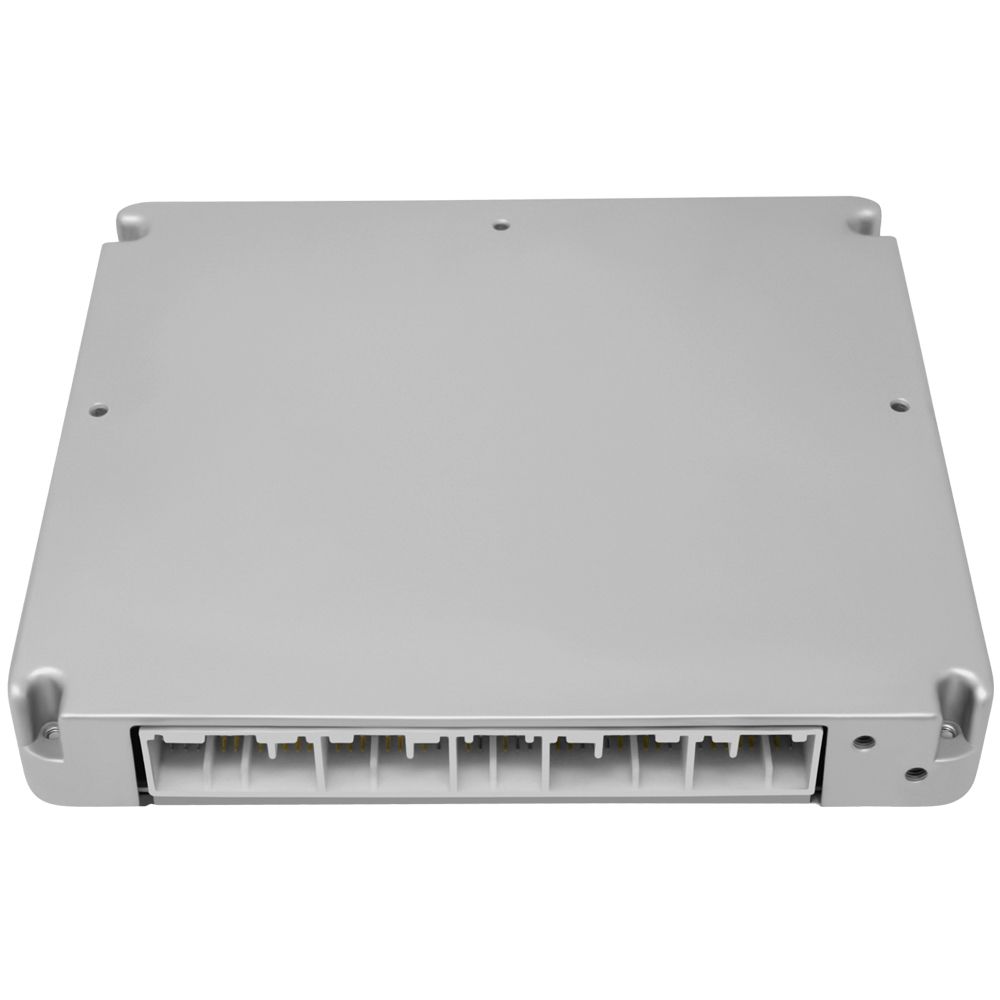
Flagship One stocks a refurbished, VIN-programmed PCM for the 2007 Toyota Land Cruiser with a lifetime warranty, free shipping and no core charge. The full Toyota Land Cruiser module lineup covers other engine configurations as well.
Restoring the electronic control systems of your 2007 Toyota Land Cruiser is essential for maintaining its performance and reliability. By understanding the role of the PCM and ECM and following proper replacement procedures, you can ensure your vehicle continues to operate as intended. If you are experiencing symptoms of module failure, consider a professionally programmed replacement to simplify the repair process and get your vehicle back in top condition.