
Last updated on August 25th, 2026 at 12:00 pm
The powertrain control module (PCM) in the 2010 Toyota Land Cruiser is the primary engine computer that manages fuel delivery, ignition timing, and emissions controls for the 5.7L V8. When it fails, the engine may crank but not start, stall unexpectedly, or trigger warning lights and diagnostic trouble codes.
When your 2010 Toyota Land Cruiser begins exhibiting hard-start behavior, sudden stalling, or unexplained dashboard warnings, the powertrain control module (PCM) often becomes a prime suspect. This compact computer orchestrates nearly every aspect of engine operation, from fuel metering to ignition advance, and its failure can leave you stranded without notice. Understanding what the PCM does, how to confirm it is at fault, and what a proper replacement entails can save you significant time and expense. This guide walks you through the module’s role in your Land Cruiser, the symptoms that point to its deterioration, and the straightforward process of swapping in a new unit. You will also learn why a VIN-programmed replacement from Flagship One removes the most daunting part of the job—the post-installation programming—so you can get back on the road with confidence. By the end, you will have a clear picture of the repair steps, the labor involved, and the practical precautions that help extend the life of your new engine computer. Armed with this knowledge, you can approach the repair with a clear plan and avoid unnecessary dealership visits.
2010 Toyota Land Cruiser
OEM programmed ECM for your 2010 Toyota Land Cruiser — plug & play, no dealer visit.
Free shipping · Lifetime warranty
The powertrain control module in the 2010 Toyota Land Cruiser serves as the central nervous system for the 5.7L V8 engine. It continuously reads data from the crankshaft position sensor, camshaft sensors, mass airflow sensor, oxygen sensors, and throttle position sensor to calculate the precise amount of fuel to inject and the optimal moment to fire each spark plug. Beyond basic engine management, the PCM also coordinates with the transmission control module to shape shift timing and firmness, monitors the evaporative emissions system, and runs self-diagnostics that illuminate the check engine light when a fault is detected. Because the Land Cruiser’s PCM is exposed to underhood heat, vibration, and electrical loads, its internal circuits can degrade over time. When the original unit fails, installing a replacement ECM for the Land Cruiser restores proper engine management and often resolves a cluster of seemingly unrelated driveability complaints. The module’s programming contains the specific fuel and ignition maps calibrated for this vehicle’s weight, gearing, and emissions standards, so a generic or incorrectly flashed computer will not perform correctly. A quality replacement must match the original part number and be pre-loaded with the correct VIN and immobilizer data to communicate with the Land Cruiser’s security system. Without this, the engine may crank but refuse to start, or it may start and then shut down after a few seconds. Understanding this integration explains why a simple swap of the hardware is only half the job—the software side is equally critical.
The PCM on the 2010 Land Cruiser is mounted in the engine bay, usually secured to a bracket near the firewall. Access requires opening the hood and removing any covers that shield the module. The replacement process begins with disconnecting the negative battery cable to prevent electrical shorts. The wiring harness connectors are then unlatched and carefully pulled away from the module. The PCM is held in place by a few bolts or nuts; once these are removed, the unit slides out of its bracket. Installation is the reverse: the new module is positioned, fasteners are tightened, and the connectors are snapped back into place until they click. The book time for this removal and installation is 0.5 hours. After the hardware swap, the factory service manual calls for an engine control module relearn procedure that takes an additional 0.5 hours. This step allows the module to adapt to the vehicle’s sensors and actuators. However, when the replacement unit arrives pre-programmed with your VIN and immobilizer data, the relearn is often unnecessary, and the vehicle can be started immediately after installation.
| Operation | Configuration | Book Time |
|---|---|---|
| Powertrain Control Module R&R | All configurations | 0.5 hr |
| Engine Control Module Relearn | All configurations | 0.5 hr |
| Engine Control Module R&R | All configurations | 0.5 hr |
The factory service information for the 2010 Land Cruiser specifies that after installing a new engine control module, a technician must perform a security immobilizer reset and an idle learn procedure. This typically requires a professional-grade scan tool capable of communicating with the Toyota body control and security modules. The process involves registering the new ECM with the vehicle’s immobilizer system so that the key transponder is recognized, then running the engine through a series of warm-up and idle cycles to allow the computer to learn the throttle position, idle air control, and fuel trim values. The book time for this relearn is 0.5 hours, but it can take longer if communication issues arise. When you order a VIN-programmed replacement unit from Flagship One, the module arrives with your vehicle’s specific calibration already loaded and the immobilizer data pre-synced. This means the post-installation programming steps are eliminated, and you can typically start the engine immediately after the physical swap. The module is ready to operate as soon as it is plugged in, saving you the cost and inconvenience of a dealership visit or the need for specialized scan tool equipment.
A failing PCM in the 2010 Toyota Land Cruiser often produces symptoms that can be mistaken for other problems, which is why accurate diagnosis is essential. One of the most common signs is a crank-no-start condition where the engine turns over but refuses to fire, even though the battery and starter are healthy. Intermittent stalling—where the engine shuts off while driving or at idle—can also point to an internal computer fault. You may notice the check engine light illuminating with multiple unrelated diagnostic trouble codes, or the light may not come on at all during the bulb check when the key is turned to the on position, indicating a loss of communication. The transmission may shift erratically or hold gears too long because the PCM shares data with the transmission control module. In some cases, the vehicle may enter a fail-safe or limp mode, limiting engine power to protect against further damage. A scan tool may fail to connect to the PCM entirely, displaying a “no communication” error. Other clues include fuel injectors that do not pulse, ignition coils that do not fire, or the fuel pump not priming when the key is turned. Because the Land Cruiser’s PCM is responsible for grounding circuits and sending reference voltages, a failing unit can also cause sensor readings to drift out of specification, leading to rich or lean fuel mixtures. If you experience a combination of these issues without an obvious mechanical cause, the PCM should be high on the suspect list.
The most frequent indicators include a crank-no-start condition, intermittent stalling, erratic transmission shifting, and a check engine light that may not illuminate during the bulb check. A scan tool may also fail to communicate with the module. Because these symptoms can overlap with other issues, professional diagnosis is recommended before replacing the PCM.
The physical replacement is straightforward and can be done by a competent DIY mechanic with basic hand tools. The book time for removal and installation is 0.5 hours. However, the factory procedure requires a post-installation relearn that typically demands a professional scan tool. Using a VIN-programmed module from Flagship One eliminates that step, allowing you to complete the job at home.
Yes, the PCM must be programmed with your vehicle’s VIN and immobilizer data to communicate with the security system and start the engine. A module that is not VIN-synced will cause a no-start or start-and-stall condition. Flagship One supplies units that arrive pre-programmed with this information, so no additional programming is required.
The book time for the physical removal and installation is 0.5 hours. The factory relearn procedure adds another 0.5 hours. When you use a pre-programmed replacement, the relearn is not needed, so the entire job can often be completed in under an hour.
A used PCM may not work without extensive reprogramming because it retains the VIN and immobilizer data from the donor vehicle. Even if it is the same part number, the security system will likely prevent the engine from starting. A refurbished, VIN-programmed unit is a more reliable and cost-effective solution.
When a PCM failure is confirmed, you have two main paths: purchase a new unit from the dealership and pay for programming, or choose a refurbished, VIN-programmed module that arrives ready to install. For the 2010 Land Cruiser, the latter approach often makes more sense because it avoids the additional labor and scan-tool requirements. A quality refurbished unit is tested and updated to meet or exceed original specifications, providing a dependable alternative that gets your vehicle back on the road without the dealership markup.
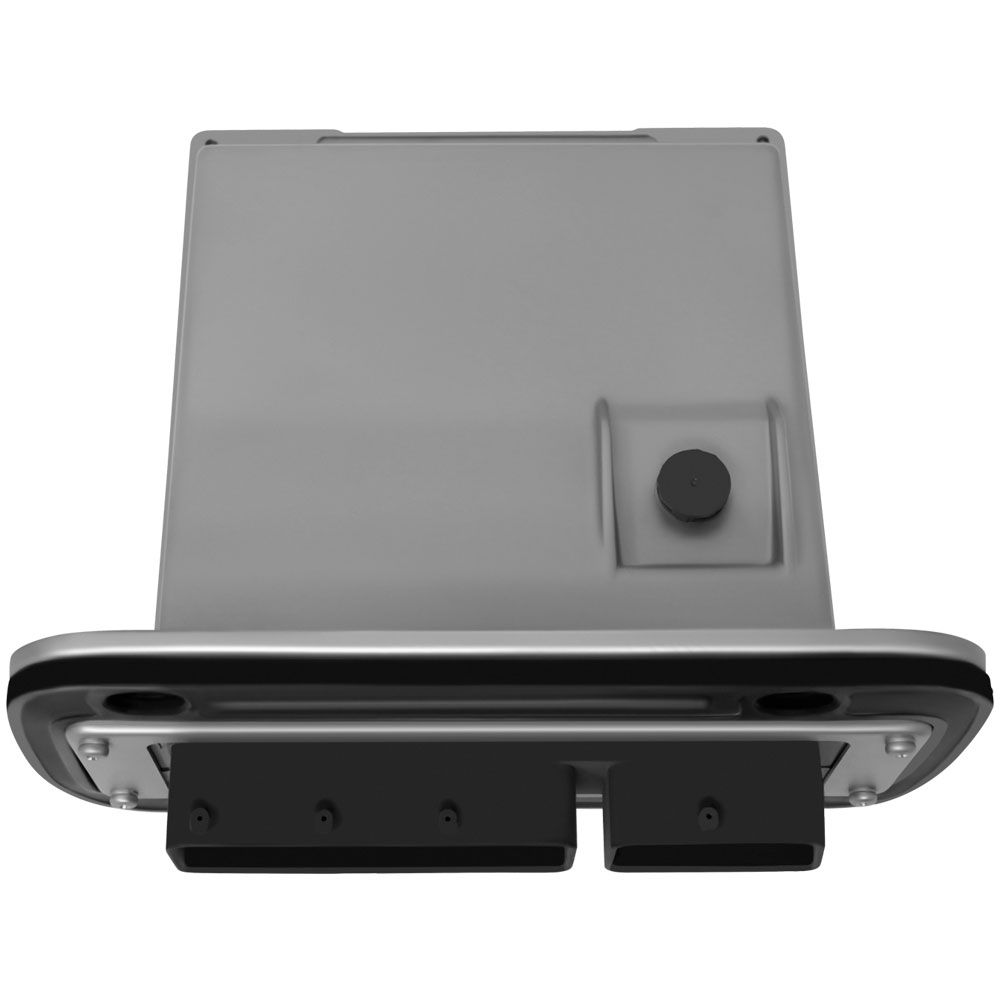
Flagship One stocks a refurbished, VIN-programmed PCM for the 2010 Toyota Land Cruiser with a lifetime warranty, free shipping and no core charge. The full Toyota Land Cruiser module lineup covers other engine configurations as well.
Addressing a faulty PCM in your 2010 Toyota Land Cruiser does not have to be an overwhelming expense. With a clear understanding of the module’s role, the symptoms of failure, and the straightforward replacement process, you can make an informed decision. A VIN-programmed unit eliminates the most technical part of the job, allowing you to restore your Land Cruiser’s performance quickly. Take the next step by exploring replacement options that match your vehicle’s exact specifications.