
Last updated on August 25th, 2026 at 12:01 pm
The powertrain control module (PCM) in the 2009 Toyota Highlander manages engine fuel, ignition, and emissions. When it fails, the vehicle may experience stalling, no-start conditions, or trigger diagnostic trouble code P0606, indicating an internal processor fault.
When your 2009 Toyota Highlander begins stalling, refusing to start, or illuminating the check engine light with a P0606 code, the powertrain control module (PCM) is often the root cause. This guide explains what the PCM does, how to confirm a failure, and what the replacement process involves. You will learn about the module’s location, the factory service procedures, and how a pre-programmed replacement can simplify the repair. The PCM is the brain of your engine management system, and when it malfunctions, drivability suffers. This article covers the essential information you need, from recognizing the warning signs to understanding the labor involved and the programming requirements. With the right knowledge, you can avoid unnecessary diagnostic time and choose a solution that fits your needs.
The powertrain control module in your 2009 Toyota Highlander is the central computer that governs fuel delivery, ignition timing, and emission controls. It processes data from sensors like the mass airflow, oxygen, and throttle position to adjust engine operation in real time. When this module fails, the engine may run poorly or not at all. A common internal fault is indicated by code P0606, which points to a processor error within the module itself. Because the PCM is integral to driveability, a malfunction demands prompt attention. For many owners, sourcing replacement engine computers for the Highlander is the most straightforward path to a reliable repair. The module also manages the variable valve timing system and communicates with the transmission control unit to coordinate shifts. Without a functioning PCM, the Highlander’s 2.7L engine cannot maintain proper air-fuel ratios or adapt to changing conditions. This can lead to increased emissions, reduced fuel economy, and potential damage to other components. Recognizing the PCM’s role helps you understand why a quality replacement is critical.
2009 Toyota Highlander
OEM programmed ECM for your 2009 Toyota Highlander — plug & play, no dealer visit.
Free shipping · Lifetime warranty
The powertrain control module is accessed and replaced according to the manufacturer’s service procedures. The book time for removing and reinstalling the module is 0.6 hours. This labor operation covers disconnecting the battery, unplugging the electrical connectors, removing the mounting hardware, and installing the replacement unit. An additional 0.5 hours is allotted for the engine control module relearn procedure, which is required after installation to allow the new module to adapt to your vehicle’s sensors and actuators. The total labor time for a complete replacement, including the relearn, is typically under two hours. A technician will follow the factory steps to ensure proper mounting and secure connections. No special tools beyond a basic scan tool are needed for the relearn process.
| Operation | Configuration | Book Time |
|---|---|---|
| Powertrain Control Module R&R | All configurations | 0.6 hr |
| Engine Control Module Relearn | All configurations | 0.5 hr |
| Engine Control Module R&R | All configurations | 0.6 hr |
After installing a new powertrain control module, the factory service information specifies an engine control module relearn procedure. This process, which takes 0.5 hours, uses a scan tool to reset adaptive values and allow the module to calibrate itself to your Highlander’s engine and transmission. Without this step, the vehicle may exhibit rough idle, poor throttle response, or incorrect shift patterns. When you order a VIN-programmed replacement unit from Flagship One, the module arrives with your vehicle’s VIN and calibration data already loaded. This eliminates the need for a separate dealer trip or advanced programming tools. The plug-and-play design means you or your technician can complete the physical installation and then perform only the basic relearn, saving time and reducing complexity.
A failing PCM in the 2009 Toyota Highlander often produces symptoms that can mimic other issues. You may notice the engine cranks but does not start, or it starts and then stalls shortly after. Intermittent misfires, rough running, and a lack of throttle response are common. The check engine light typically illuminates, and a scan tool may reveal internal control module processor fault stored in memory. This code specifically indicates a problem within the PCM itself, not an external sensor or actuator. Other signs include the transmission not shifting correctly, the vehicle entering limp mode, or a complete loss of communication with a diagnostic scanner. Because these symptoms can also stem from wiring or power supply problems, a thorough diagnosis is essential before condemning the module.
The following diagnostic trouble code is stored internally by the powertrain control module and points to a fault within the module itself. When this code appears, it typically means the PCM has detected an internal processor error and may need to be replaced.
| Code | Meaning | Full Guide |
|---|---|---|
| P0606 | Module processor failure | Full P0606 guide → |
Toyota issued Service Bulletin T-SB-0064-10, dated January 2011, to outline the proper procedure for reprogramming the engine control unit using the Techstream diagnostic tool. This bulletin applies to various Toyota models, including the Highlander, and describes the steps for updating the ECU calibration to address software-related driveability concerns. The process involves connecting the Techstream interface, verifying the current calibration, and flashing the updated software to the module. Following the bulletin ensures that the reprogramming is performed correctly and reduces the risk of incomplete updates or communication errors. If your Highlander exhibits symptoms that may be resolved by a software update, a dealer can perform this procedure.
| Bulletin | Subject | What It Addresses |
|---|---|---|
| T-SB-0064-10 | 01-11 Applicable Toyota Models: Techstream ECU Flash Reprogramming Procedure | — |
Common signs include a no-start condition, stalling after starting, rough running, and the check engine light on with a P0606 code. You may also experience transmission shifting problems or a loss of communication with a scan tool.
Yes, the factory procedure calls for an engine control module relearn after installation. However, a VIN-programmed unit from Flagship One arrives with your vehicle’s calibration already loaded, so only the basic relearn is needed.
Used modules often carry the previous vehicle’s VIN and immobilizer data, which can cause security and driveability problems. A properly refurbished and pre-programmed unit is a more reliable solution.
When your Highlander’s PCM fails, you have two main paths: repair the existing module or install a replacement. Refurbished units that are tested and pre-programmed with your VIN offer a balance of cost and reliability. They eliminate the need for dealer-level programming and can be installed by a competent DIYer or local shop. Choosing a quality replacement gets your Toyota back to dependable service without the guesswork.
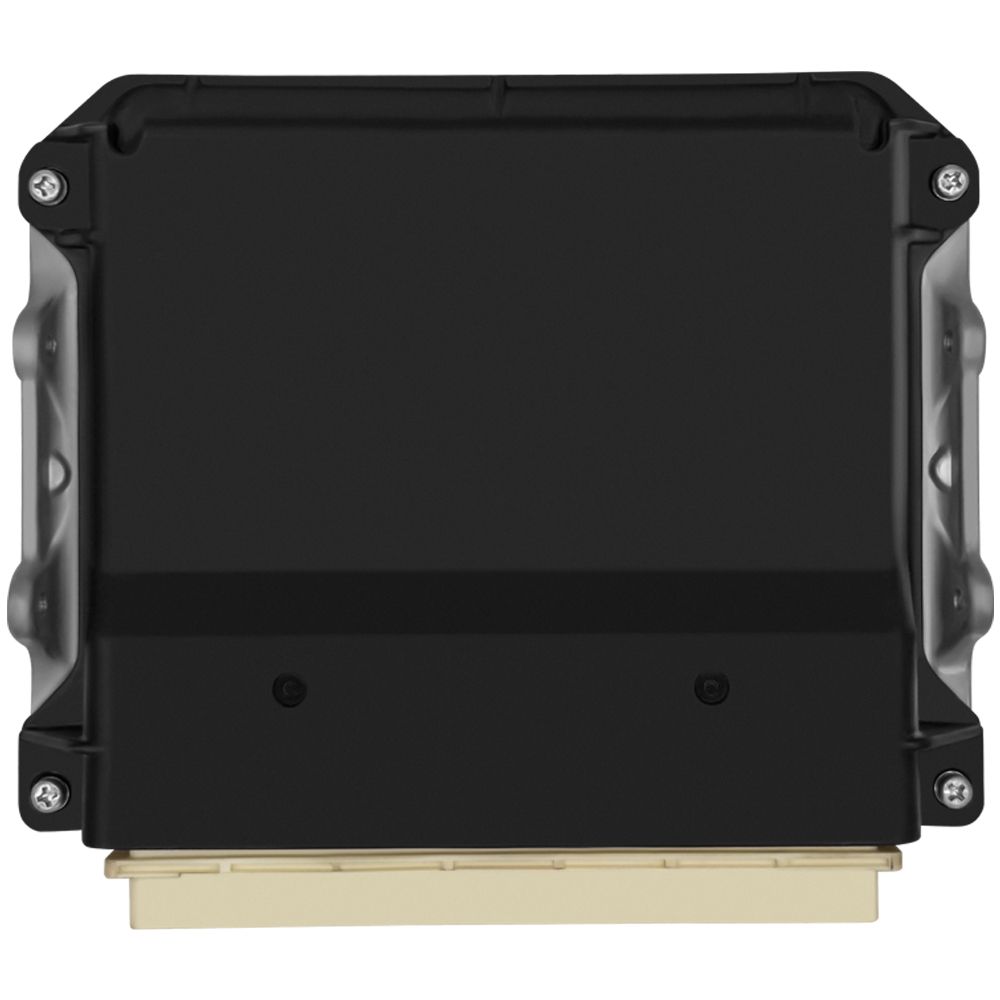
Flagship One stocks a refurbished, VIN-programmed PCM for the 2009 Toyota Highlander with a lifetime warranty, free shipping and no core charge. The full Toyota Highlander module lineup covers other engine configurations as well.
Addressing a faulty PCM in your 2009 Toyota Highlander does not have to be overwhelming. With a clear understanding of the symptoms, the replacement process, and the programming requirements, you can move forward confidently. A VIN-programmed module simplifies the job and gets your Highlander running reliably again. Take the next step by exploring replacement options that match your vehicle’s needs.