
Last updated on August 25th, 2026 at 12:01 pm
The powertrain control module in your 2008 Toyota Land Cruiser manages fuel delivery, ignition timing, and transmission operation. When this unit fails, your vehicle may experience stalling, refusal to start, or inability to communicate with diagnostic equipment. A faulty module disrupts the coordination between engine and drivetrain systems.
When your 2008 Toyota Land Cruiser begins exhibiting stalling, no-start conditions, or communication failures with diagnostic scan tools, the powertrain control module or engine control module may be the root cause. These computers serve as the central nervous system of your vehicle, orchestrating fuel injection, ignition timing, emissions management, and transmission behavior. A failing module can transform a reliable SUV into an unpredictable and frustrating machine. Understanding what these modules do, where they live in your vehicle, and what the replacement process involves helps you make informed repair decisions. The factory service information for your Land Cruiser documents specific labor times for removal, installation, and relearn procedures. Toyota also publishes technical service bulletins outlining the official reprogramming process using their Techstream software. Replacing a control module is not simply a matter of unplugging the old unit and connecting a new one. Proper reprogramming and relearn steps are critical to restoring correct drivability. Choosing a pre-programmed replacement can eliminate several of these post-installation procedures, saving time and reducing the chance of setup errors. The following guide walks through the essential details for your 2008 Toyota Land Cruiser.
The powertrain control module in your 2008 Toyota Land Cruiser functions as the primary electronic brain overseeing nearly every aspect of engine and transmission operation. It continuously reads input from dozens of sensors monitoring throttle position, coolant temperature, oxygen content in the exhaust stream, mass airflow, crankshaft position, and camshaft position. Using this data, the module calculates optimal fuel injector pulse width, ignition timing advance, and transmission shift points in real time. Your Land Cruiser relies on this computer to balance performance with emissions compliance and fuel efficiency. The module adjusts air-fuel ratios on the fly, activates evaporative emissions controls, manages idle speed, and coordinates with the transmission control logic to deliver smooth gear changes under varying load conditions. When all components communicate properly, the vehicle operates seamlessly across daily driving and demanding conditions alike. Module failure typically stems from internal component degradation, voltage spikes from a failing alternator or battery, moisture intrusion past connector seals, or thermal stress from years of underhood heat. Symptoms often develop gradually, with intermittent stalling or rough idle progressing to more persistent drivability problems. In some cases, the module may lose its ability to communicate with a scan tool entirely, making diagnosis more challenging. Choosing Land Cruiser replacement computers ensures the new unit matches your vehicle’s specific calibration and emissions configuration. A correctly matched module restores the precise fuel and timing maps Toyota engineered for your drivetrain, maintaining the performance and reliability expected from this vehicle. Incorrect or generic calibrations may lead to poor idle quality, illuminated warning lights, or failed emissions testing.
2008 Toyota Land Cruiser
OEM programmed ECM for your 2008 Toyota Land Cruiser — plug & play, no dealer visit.
Free shipping · Lifetime warranty
The factory service information for your 2008 Toyota Land Cruiser specifies particular labor times for control module service. Removing and reinstalling the powertrain control module calls for 0.5 hours of book time, while the same operation on the engine control module also requires 0.5 hours. An engine control module relearn procedure adds another 0.5 hours to the service process. These times reflect the physical labor of accessing the module, disconnecting the electrical connector, transferring any necessary components to the replacement unit, and securing everything back in place. The relearn portion covers the procedural steps needed to acquaint the new module with your vehicle’s specific sensor outputs, immobilizer configuration, and learned adaptive values. In practice, the module is typically located in the passenger compartment or under the hood, depending on which specific computer is being serviced. Access usually involves removing trim panels or protective covers, disconnecting the battery to prevent electrical damage, and carefully separating the multi-pin connector from the module. Reinstallation reverses these steps, with the relearn procedure following once the new unit is connected and powered.
| Operation | Configuration | Book Time |
|---|---|---|
| Powertrain Control Module R&R | All configurations | 0.5 hr |
| Engine Control Module Relearn | All configurations | 0.5 hr |
| Engine Control Module R&R | All configurations | 0.5 hr |
After physically installing a replacement control module in your 2008 Toyota Land Cruiser, the factory procedure requires specific programming steps to make the new unit functional. Toyota outlines this process in technical service bulletin T-SB-0064-10, which details the Techstream ECU flash reprogramming process applicable to Toyota models. This procedure involves connecting a compatible diagnostic tool to the vehicle’s data link connector and using Toyota’s Techstream software to write the correct calibration files to the new module. The reprogramming ensures the replacement module contains the proper firmware and calibration data for your specific vehicle configuration. Additionally, the engine control module relearn procedure, which accounts for 0.5 hours of book time, allows the new computer to adapt to your vehicle’s sensors, actuators, and immobilizer system. Without these steps, the vehicle may start poorly, run rough, or fail to start at all. Selecting a pre-programmed replacement unit from Flagship One eliminates the need for these post-installation programming steps because the correct calibration is already loaded onto the module before it ships. Your technician can focus on the physical swap and basic relearn rather than navigating the full Techstream flash procedure.
When the powertrain or engine control module in your 2008 Toyota Land Cruiser begins to fail, several recognizable symptoms often emerge. The most common complaint is a no-start condition, where the engine cranks but fails to fire because the module is not commanding the fuel injectors or ignition coils. In other cases, the vehicle may start but stall intermittently, particularly at idle or during deceleration. Rough running and misfire codes frequently accompany module degradation. The computer may lose its ability to properly time injector pulses or spark events, leading to hesitation, surging, or a noticeable loss of power. You may observe the check engine light illuminating, sometimes accompanied by specific diagnostic codes related to internal module integrity or communication faults. Another hallmark symptom is the loss of scan tool communication. When a technician connects a diagnostic scanner to the data link connector and receives no response from the powertrain control module, internal failure of the computer is a likely explanation. This symptom makes diagnosis particularly difficult because the usual method of reading codes is unavailable. Transmission shifting irregularities may also surface if the module’s transmission control logic is compromised. Shifts may become harsh, delayed, or erratic, and the vehicle may enter a limp mode that restricts performance to protect the drivetrain. Some owners report the transmission refusing to shift out of second gear, which is a common default when the module detects a serious fault. Additional warning signs include poor fuel economy, failed emissions tests, and intermittent electrical behavior where the module resets during driving. Because these symptoms can overlap with failures in sensors, wiring, or other components, a thorough diagnostic evaluation is essential before condemning the module itself.
Toyota issued technical service bulletin T-SB-0064-10 covering the Techstream ECU flash reprogramming process for applicable Toyota models. This bulletin outlines the official factory method for reprogramming engine control units using Toyota’s proprietary Techstream diagnostic software. The procedure is relevant when installing a new or replacement module that requires calibration data to be written before the vehicle will operate correctly. The bulletin provides technicians with step-by-step instructions for connecting the Techstream interface, identifying the correct calibration file for the specific vehicle, and performing the flash write to the module. Following this procedure ensures the replacement unit receives the exact firmware and calibration maps intended for your vehicle’s configuration. Skipping or improperly executing this flash may result in drivability problems, warning light illumination, or failure to start. For your 2008 Toyota Land Cruiser, this procedure applies when a module is replaced without pre-loaded programming.
| Bulletin | Subject | What It Addresses |
|---|---|---|
| T-SB-0064-10 | 01-11 Applicable Toyota Models: Techstream ECU Flash Reprogramming Procedure | — |
The factory service information specifies 0.5 hours for powertrain control module removal and installation, 0.5 hours for engine control module removal and installation, and an additional 0.5 hours for the engine control module relearn procedure. These times reflect book estimates for a qualified technician.
Yes, Toyota outlines the reprogramming process in technical service bulletin T-SB-0064-10, which covers the Techstream ECU flash procedure for applicable Toyota models. The replacement module must receive the correct calibration data before the vehicle will operate properly.
Common symptoms include no-start conditions, intermittent stalling, rough idle, misfire codes, loss of scan tool communication, and erratic transmission shifting. Because these symptoms overlap with other component failures, professional diagnosis is recommended before replacing the module.
Driving with a compromised module is not recommended. The vehicle may stall unexpectedly, enter limp mode, or fail to restart. Intermittent module failures can create unsafe driving conditions, particularly in traffic or at highway speeds.
A pre-programmed unit arrives with the correct calibration already loaded, eliminating the need to perform the Techstream ECU flash procedure described in bulletin T-SB-0064-10. Your technician still performs the physical swap and basic relearn, but the full reprogramming step is already complete.
When your 2008 Toyota Land Cruiser needs a replacement powertrain or engine control module, you have options. A dealership parts department can order a new unit, but you may face longer wait times and higher costs. A quality refurbished unit from Flagship One offers a practical alternative, arriving pre-programmed to your vehicle identification number so the calibration is already in place. This approach reduces the service steps your technician must complete and gets your Land Cruiser back on the road with the correct factory specifications.
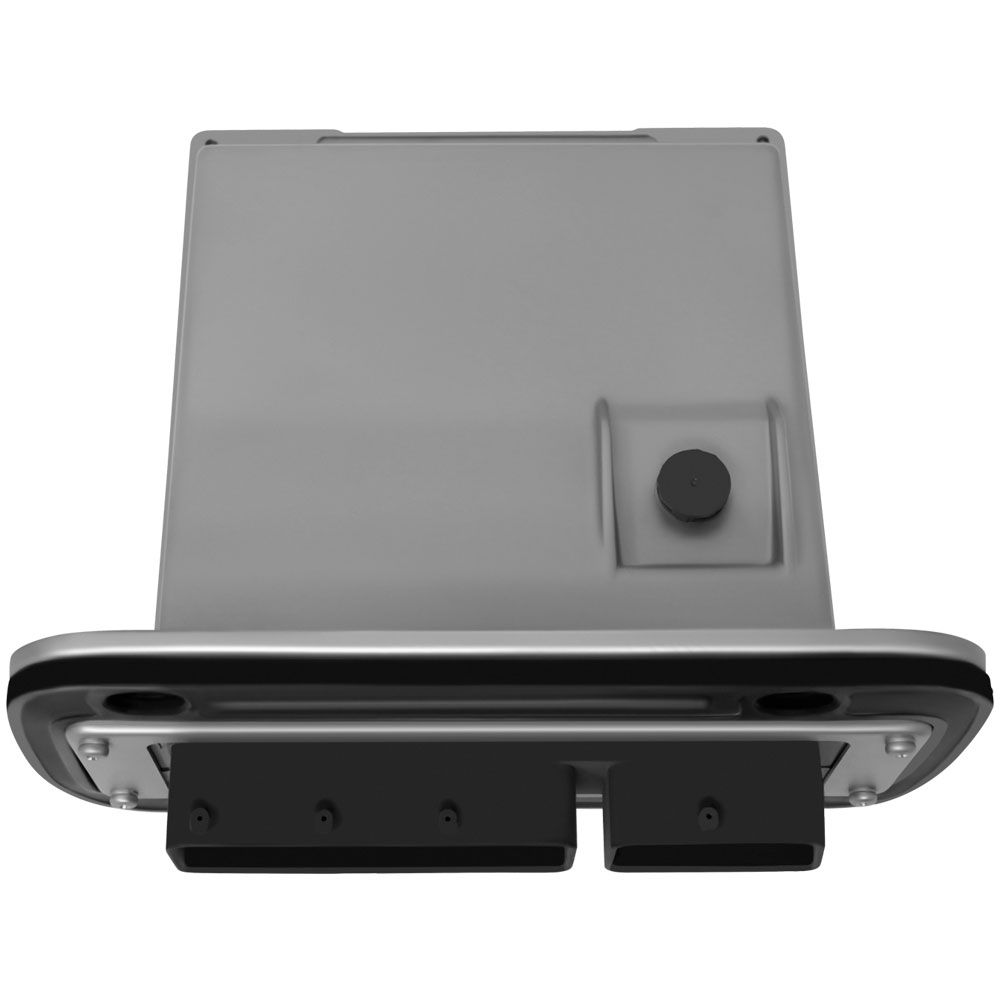
Flagship One stocks a refurbished, VIN-programmed PCM for the 2008 Toyota Land Cruiser with a lifetime warranty, free shipping and no core charge. The full Toyota Land Cruiser module lineup covers other engine configurations as well.
The 2008 Toyota Land Cruiser depends on a healthy powertrain or engine control module to deliver the performance and reliability you expect. Recognizing the symptoms of module failure, understanding the replacement and reprogramming process, and choosing a pre-programmed unit can simplify your repair experience. Flagship One provides VIN-programmed replacement modules that arrive ready for installation, eliminating the factory flash procedure so your technician can focus on getting your vehicle back on the road.