
Last updated on August 25th, 2026 at 12:04 pm
The engine control module (ECM) or powertrain control module (PCM) in your 2003 Toyota Prius manages fuel injection, ignition timing, and hybrid system coordination. Failures may cause erratic engine behavior, poor fuel economy, or a complete no-start condition.
If your 2003 Toyota Prius has been acting up—stalling at stops, refusing to start, or throwing cryptic check-engine lights—you may be dealing with a failing engine computer. Officially called the ECM or PCM, this module is the brain behind your Prius’s fuel delivery, ignition timing, and hybrid system synchronization. When it malfunctions, the symptoms can range from subtle drivability quirks to a vehicle that won’t move at all. Replacing it isn’t just about swapping a part; it involves precise labor steps, a relearn procedure, and often, reprogramming to match your vehicle’s specific calibration. Understanding these steps helps you avoid unnecessary delays or repeat shop visits. Whether you’re a DIYer or relying on a technician, knowing what’s involved ensures the repair is done right the first time, restoring your Prius’s reliability without guesswork.
In your 2003 Toyota Prius, the engine control module (ECM) or powertrain control module (PCM) serves as the central command for both the gasoline engine and the hybrid system. It continuously monitors sensor inputs—like throttle position, oxygen levels, and engine speed—to adjust fuel injection, ignition timing, and even the interaction between the engine and electric motor. This coordination is what gives the Prius its signature efficiency and smooth acceleration. Without a properly functioning module, the vehicle may struggle to start, hesitate under load, or even default into a limp-home mode to prevent damage. The module also stores trouble codes when something goes wrong, which technicians use to diagnose issues. If the ECM/PCM fails completely, your Prius may not run at all, leaving you stranded. For this reason, having a reliable replacement engine computers for the Prius on hand can save time and frustration when repairs are needed. The module’s role is so critical that even minor glitches can disrupt the entire powertrain, making it one of the most important components to address promptly when symptoms arise.
2003 Toyota Prius
OEM programmed ECM for your 2003 Toyota Prius — plug & play, no dealer visit.
Free shipping · Lifetime warranty
The engine control module (ECM) or powertrain control module (PCM) in your 2003 Toyota Prius is located in the engine bay, typically mounted near the firewall or on the passenger side of the vehicle. Accessing it involves removing a few plastic covers and possibly disconnecting the battery to prevent electrical issues during replacement. The labor time for removing and reinstalling the module is 0.5 hours, according to factory estimates. This includes disconnecting the wiring harness, unbolting the module, and securing the new one in place. There are no torque specifications provided for the mounting bolts, but they should be tightened securely to prevent vibration or moisture intrusion. Once the new module is installed, the vehicle will require a relearn procedure, which also takes 0.5 hours. This step ensures the module synchronizes with the rest of the powertrain, including the hybrid system, to restore proper operation.
| Operation | Configuration | Book Time |
|---|---|---|
| Engine Control Module Relearn | All configurations | 0.5 hr |
| Engine Control Module R&R | All configurations | 0.5 hr |
| Powertrain Control Module R&R | All configurations | 0.5 hr |
| Powertrain Control Module Relearn | All configurations | 0.5 hr |
After replacing the engine control module (ECM) or powertrain control module (PCM) in your 2003 Toyota Prius, the vehicle requires a factory reprogramming procedure to ensure the new module communicates correctly with the engine, transmission, and hybrid system. This process involves using Toyota’s Techstream software to flash the module with the latest calibration for your specific VIN. The reprogramming step typically takes 0.5 hours and must be performed by a technician with access to the manufacturer’s tools. However, if you install a VIN-programmed replacement unit, this step is already completed, saving you time and eliminating the need for additional shop visits. The module arrives ready to sync with your Prius’s systems, allowing the relearn procedure to proceed without delays. This is particularly useful for hybrid vehicles, where precise coordination between the engine and electric motor is essential for smooth operation.
When the engine control module (ECM) or powertrain control module (PCM) in your 2003 Toyota Prius begins to fail, the symptoms can be frustratingly inconsistent. You might notice the engine stalling at idle, especially when coming to a stop, or experiencing sudden surges in RPMs without any input from the accelerator. Misfires are another common sign, often accompanied by a rough idle or hesitation during acceleration. In some cases, the vehicle may refuse to start altogether, leaving you with a cranking engine that never fires up. Another telltale symptom is the check engine light illuminating, sometimes with codes that seem unrelated to the actual issue. For example, you might see an internal control module memory check sum error, which indicates the module’s memory has been corrupted or is failing. Poor fuel economy can also develop, as the module struggles to optimize fuel delivery and ignition timing. In hybrid mode, you may notice the electric motor and gasoline engine failing to sync properly, leading to jerky acceleration or unexpected transitions between power sources. If your scan tool fails to communicate with the module at all, that’s a strong sign the unit has completely failed and needs replacement. These symptoms often worsen over time, so addressing them early can prevent more serious drivability issues.
Toyota has issued several service bulletins related to the engine control module (ECM) and powertrain control module (PCM) in the 2003 Prius and other applicable models. Bulletin #SS002-01 outlines the revised process for ECU flash reprogramming, which is often required after module replacement to ensure compatibility with the vehicle’s systems. Another bulletin, #SS002-07, provides updated procedures for using Toyota’s Techstream software to perform the reprogramming. These bulletins emphasize the importance of following the correct steps to avoid communication errors or incomplete flashes, which can lead to drivability issues. If your Prius is experiencing symptoms related to the ECM/PCM, these bulletins may guide your technician in performing the necessary updates or repairs.
| Bulletin | Subject | What It Addresses |
|---|---|---|
| SS002-01 | :SS002-01: 2001 & Later Applicable Models: ECU Flash Reprogramming Process (Revised) | — |
| SS002-07 | :SS002-07: 01-08 Applicable Toyota: Techstream ECU Flash Reprogramming Procedure | — |
Stalling at stops is a common symptom of a failing ECM in the 2003 Prius. The module controls idle speed and fuel delivery, so if it’s malfunctioning, the engine may not maintain a stable idle. Other possible causes include vacuum leaks or a faulty throttle body, but the ECM is often the culprit when the issue persists after basic checks.
If your Prius is throwing trouble codes related to the ECM, such as P0601 or communication errors, reprogramming may resolve the issue. However, if the module is completely unresponsive or fails to communicate with a scan tool, replacement is likely necessary. A technician can diagnose whether the problem is software-related or a hardware failure.
Replacing the ECM is a straightforward process that involves removing the old module and installing the new one, but the relearn and reprogramming steps require specialized tools. If you’re comfortable with basic mechanical work, you can handle the physical replacement, but a shop will need to complete the programming unless you use a pre-programmed unit.
Skipping the relearn procedure can result in poor engine performance, erratic shifting, or even a no-start condition. The relearn ensures the new module synchronizes with the engine, transmission, and hybrid system, so it’s a critical step in the replacement process.
A P0601 code indicates an internal control module memory check sum error, which typically points to a failing ECM. However, it can also be triggered by poor electrical connections or voltage issues. Before replacing the module, check the battery, grounds, and wiring harness for any signs of corrosion or damage.
If your 2003 Toyota Prius is showing signs of a failing engine computer, you have a few options for getting it back on the road. A repair shop can diagnose and replace the module, but this often involves additional labor for reprogramming and relearn procedures. Alternatively, a pre-programmed replacement unit eliminates the need for factory flashing, saving you time and ensuring the module is ready to sync with your vehicle’s systems right out of the box. For hybrid owners, this is especially important, as the ECM/PCM plays a key role in coordinating the gasoline engine and electric motor. Whether you choose a new or refurbished unit, addressing the issue promptly can restore your Prius’s reliability and efficiency.
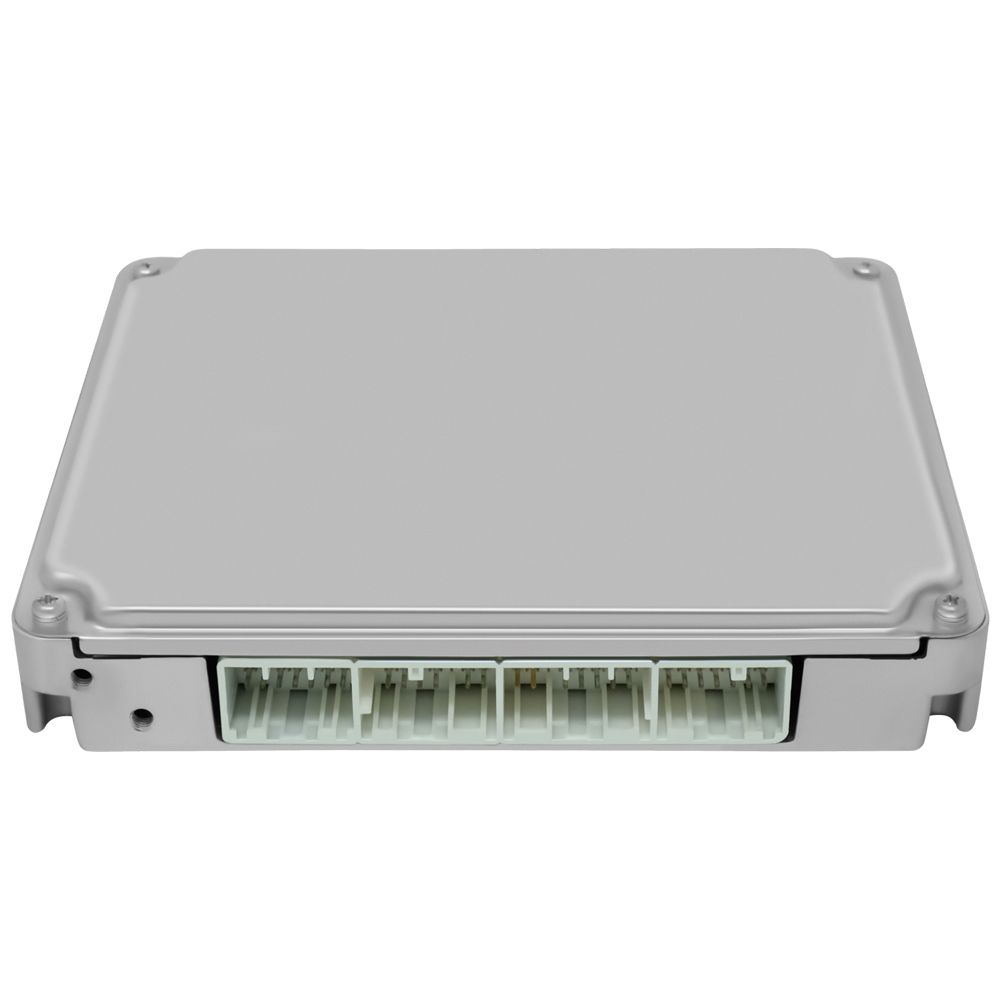
Flagship One stocks a refurbished, VIN-programmed PCM for the 2003 Toyota Prius with a lifetime warranty, free shipping and no core charge. The full Toyota Prius module lineup covers other engine configurations as well.
The engine control module in your 2003 Toyota Prius is a critical component that ensures smooth operation of both the gasoline engine and hybrid system. When it fails, the symptoms can range from minor annoyances to a complete no-start condition, making timely replacement essential. By understanding the steps involved—from removal and installation to relearn and reprogramming—you can approach the repair with confidence. Whether you opt for a shop visit or tackle the job yourself, using a pre-programmed unit can simplify the process and get you back on the road faster. Don’t let a failing ECM disrupt your Prius’s efficiency; addressing the issue now can save you time and frustration down the road.