
Last updated on August 25th, 2026 at 12:05 pm
The engine control module in your 2001 Toyota Prius manages the hybrid powertrain and fuel delivery systems. When this critical computer fails, it typically causes starting difficulties, erratic engine behavior, or a complete inability to operate the vehicle safely.
Dealing with unexpected drivability issues in a hybrid can be frustrating, especially when the root cause points to the vehicle’s central processing unit. In your 2001 Toyota Prius, the engine control module acts as the brain of the powertrain, dictating fuel delivery, ignition timing, and hybrid system coordination. When this component starts to degrade, your vehicle may exhibit a range of frustrating symptoms that leave you stranded or dealing with poor performance. Understanding how this computer works within the specific context of the Prius hybrid system is the first step toward resolving the issue effectively. This guide explains the role of the module, where it is located, and what is required for a successful replacement. You will learn about the typical warning signs of failure, the factory programming requirements that often catch owners off guard, and the specific service bulletins that apply to this model year. By gaining a clear understanding of these factors, you can make informed decisions about repairing your vehicle and getting back on the road with confidence and reliability.
In the 2001 Toyota Prius with the 1.5L engine, the engine control module serves as the primary computer governing the gasoline side of the hybrid powertrain. It constantly processes data from various engine sensors to calculate the precise amount of fuel to inject and the exact timing for the ignition coils. Because the Prius relies on seamless interaction between its gasoline engine and electric motor, this module plays a vital role in starting and stopping the internal combustion engine efficiently. Without proper command from this unit, the hybrid system cannot transition smoothly between electric and gas power, which often leads to stalling or a complete no-start condition. When the internal circuitry degrades due to age or electrical stress, the computer loses its ability to process sensor data accurately. This is why finding 2001 Toyota Prius replacement computers becomes essential when repairing these specific hybrid drivability faults. The module also controls the electronic throttle body and monitors emission control devices to ensure the vehicle meets environmental standards. If the unit fails to execute these commands, the vehicle typically forces the engine into a protective mode, severely limiting power and drivability. Because the hybrid system depends on constant, reliable communication between the engine controller and the hybrid vehicle ECU, a fault in the engine controller often renders the entire system inoperable. Replacing a degraded unit restores these critical communication pathways, allowing the 1.5L engine to run efficiently and interact properly with the electric drive components once again.
2001 Toyota Prius 1.5L
OEM programmed ECM for your 2001 Toyota Prius 1.5L — plug & play, no dealer visit.
Free shipping · Lifetime warranty
Replacing the engine control module in the 2001 Toyota Prius involves specific labor times that technicians use for estimating. The standard book time for the engine control module removal and installation is 0.5 hours. Similarly, the powertrain control module removal and installation procedure requires 0.5 hours of labor. Because specific access steps or location details are not specified in the factory labor guides for this repair, technicians typically rely on standard practices for accessing the unit in the engine compartment or cabin. Once the new unit is physically installed, the engine control module relearn procedure requires an additional 0.5 hours to complete. The powertrain control module relearn process also requires 0.5 hours of labor. These relearn procedures are critical for ensuring the newly installed module recognizes the specific parameters of your vehicle. By following the designated labor times, your mechanic can properly allocate the necessary resources to complete the installation and initialization process correctly.
| Operation | Configuration | Book Time |
|---|---|---|
| Engine Control Module Relearn | All configurations | 0.5 hr |
| Engine Control Module R&R | All configurations | 0.5 hr |
| Powertrain Control Module R&R | All configurations | 0.5 hr |
| Powertrain Control Module Relearn | All configurations | 0.5 hr |
After physically installing a new engine computer, the factory procedure requires specific programming steps to ensure the module communicates properly with the rest of the vehicle. According to service bulletin SS002-01, a revised ECU flash reprogramming process is necessary for 2001 and later applicable models. Additionally, service bulletin SS002-07 outlines the Techstream ECU flash reprogramming procedure required for 01-08 applicable Toyota vehicles. This means a standard replacement unit cannot simply be plugged in and driven away; it must be flashed with the correct software using specialized diagnostic equipment. Skipping this step often results in a vehicle that will not start or run correctly. However, choosing a VIN-programmed replacement unit from Flagship One eliminates the need for these extensive dealership programming steps entirely. Because the required flash programming and vehicle identification number matching are already completed before the unit ships, you can install the module and proceed directly to the relearn process. This saves significant time and prevents the common frustration of needing a dealer visit just to make the vehicle drivable again.
When the engine computer begins to fail in your 2001 Toyota Prius, the vehicle often exhibits clear warning signs that something is wrong with the powertrain management. One of the most common symptoms is a complete no-start condition, where the engine cranks but fails to fire up because the module cannot command the fuel injectors or ignition coils. You may also experience intermittent stalling, especially at idle or low speeds, as the computer loses its ability to regulate the hybrid engine transition smoothly. Misfire codes frequently appear on diagnostic scanners when the unit struggles to maintain proper timing or fuel delivery. Another key indicator is dead scan-tool communication, meaning your mechanic cannot pull data or codes from the vehicle because the module is completely unresponsive. In a hybrid like the Prius, shifting issues between electric and gas power can also occur, creating a jerky or unresponsive driving experience. Sometimes, the check engine light will illuminate and store internal logic faults, indicating that the processor itself is compromised. These drivability problems often worsen over time, making it crucial to address the failing module before it leaves you stranded. Recognizing these specific symptoms early helps pinpoint the engine computer as the root cause, preventing unnecessary repairs to other sensors or components.
Toyota has issued specific service bulletins regarding the programming procedures for these engine controllers. Service bulletin SS002-01 details a revised ECU flash reprogramming process that applies to 2001 and later applicable models. This bulletin outlines the necessary steps to ensure the computer runs the most current software. Furthermore, service bulletin SS002-07 describes the Techstream ECU flash reprogramming procedure for 01-08 applicable Toyota vehicles. This document emphasizes the specific requirements when using the factory diagnostic tool to flash the module. Both bulletins highlight that proper software initialization is a mandatory step during the replacement process.
| Bulletin | Subject | What It Addresses |
|---|---|---|
| SS002-01 | :SS002-01: 2001 & Later Applicable Models: ECU Flash Reprogramming Process (Revised) | — |
| SS002-07 | :SS002-07: 01-08 Applicable Toyota: Techstream ECU Flash Reprogramming Procedure | — |
Yes, the module requires programming after installation. Service bulletin SS002-01 outlines a revised flash reprogramming process, and SS002-07 details the Techstream procedure necessary for 01-08 applicable Toyota vehicles. These steps ensure the computer operates with the correct software.
The designated book time for both the engine control module and powertrain control module removal and installation is 0.5 hours each. Additionally, the relearn procedure for both modules requires 0.5 hours of labor respectively.
It is generally not advisable to drive with a failing engine computer. The module controls critical powertrain functions, and a sudden failure could cause stalling or a no-start condition that leaves you stranded.
A faulty engine computer often triggers the check engine light. The module may store internal processor codes or misfire codes when it fails to calculate fuel and ignition timing properly.
The relearn process allows the newly installed computer to calibrate itself to your specific vehicle sensors and driving parameters. This procedure typically takes 0.5 hours of labor to complete successfully.
Deciding between repairing or replacing the computer in your 2001 Toyota Prius depends on the severity of the internal damage. While some minor software glitches might resolve with a simple flash reprogramming, a module with degraded circuitry requires a full replacement. Opting for a refurbished replacement unit often provides the most reliable and cost-effective solution, ensuring your hybrid powertrain operates as intended.
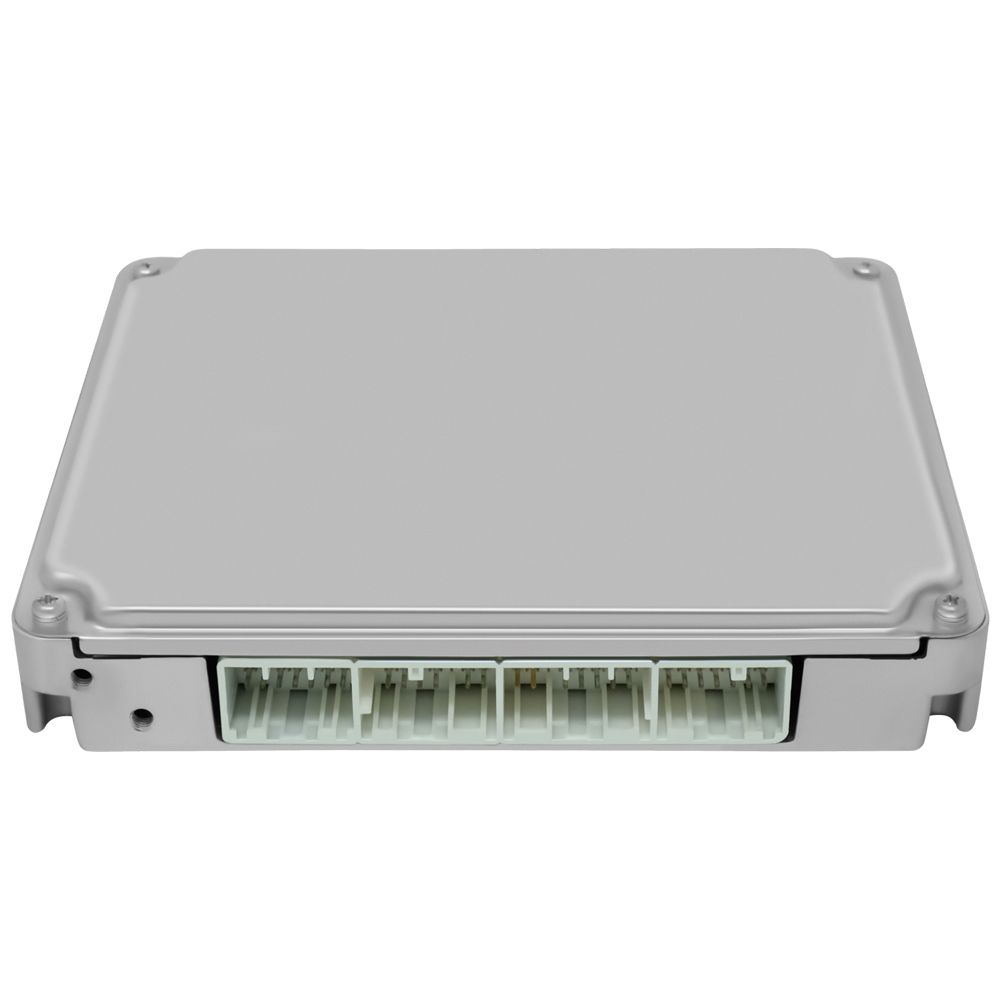
Flagship One stocks a refurbished, VIN-programmed PCM for the 2001 Toyota Prius with a lifetime warranty, free shipping and no core charge. The full Toyota Prius module lineup covers other engine configurations as well.
Addressing engine computer issues promptly ensures your 2001 Toyota Prius remains dependable and efficient on the road. Understanding the specific replacement, relearn, and programming requirements helps you navigate the repair process with confidence and avoid unnecessary dealership visits. When you are ready to resolve those frustrating drivability symptoms, explore the available replacement options to restore your vehicle’s hybrid performance and overall reliability.