
Last updated on August 25th, 2026 at 12:06 pm
The engine control module (ECM) in the 1998 Toyota Tacoma PreRunner 2.7L manages fuel delivery, ignition timing, and emissions. When it fails, you may experience no-start conditions, erratic idle, or stalling because the computer can no longer interpret sensor data or command actuators correctly.
When a 1998 Toyota Tacoma PreRunner with the 2.7L engine suddenly refuses to start or begins stalling without warning, the engine control module often becomes a prime suspect. This computer orchestrates every critical engine function, from fuel injection to ignition timing, and even a minor internal fault can bring your truck to a halt. Understanding what the ECM does, where it lives, and what it takes to replace it can save you hours of guesswork and unnecessary parts swapping. In this guide, you will learn the exact location of the module, the factory book times for removal and installation, and the programming steps that normally follow a swap. You will also see how a VIN-programmed replacement unit can streamline the entire job, letting you get back on the road with minimal downtime. Whether you are a DIY owner or a professional technician, having clear, factual information about this critical component helps you make a confident repair decision.
The engine control module in the 1998 Toyota Tacoma PreRunner is the central processor that reads data from sensors such as the mass airflow meter, throttle position sensor, and oxygen sensors, then calculates the precise amount of fuel and spark advance needed for every driving condition. It also manages idle speed, evaporative emissions, and on later versions, transmission shift points. Because the 2.7L engine relies on the ECM to maintain the correct air-fuel ratio, any degradation in the module’s internal circuitry can lead to hard starts, rough running, or a complete no-crank situation. The computer constantly self-checks and will illuminate the check engine light when it detects a problem, storing diagnostic trouble codes that point toward the fault. When sourcing replacement ECMs for the Tacoma, it is important to match the exact calibration code for your truck’s engine and transmission combination. A mismatched unit may cause drivability issues or prevent the vehicle from starting altogether. The module also controls the charging system warning lamp and communicates with the instrument cluster, so a failing ECM can sometimes produce misleading symptoms that mimic sensor or wiring problems. Recognizing the ECM’s role helps you avoid replacing good components and focus on the real source of the trouble.
1998 Toyota Tacoma PreRunner
OEM programmed ECM for your 1998 Toyota Tacoma PreRunner — plug & play, no dealer visit.
Free shipping · Lifetime warranty
The factory wiring guide places the engine ECU inside the instrument panel, on the passenger side behind the glove box area. To reach it, you first open the glove compartment and remove the glove compartment door by releasing its stops. Next, the lower finish No.2 panel below the glove box comes off, typically held by a few screws or clips. With those two trim pieces out of the way, the ECM is visible, secured by a bracket and a couple of fasteners. Disconnect the negative battery cable before unplugging the wiring harness connectors from the module. The book time for engine control module removal and replacement is 0.7 hours, which covers unbolting the old unit, transferring any mounting hardware, and installing the replacement. Reassembly is the reverse of removal, making sure the connectors click fully into place. No special tools are required beyond basic hand tools, and the entire process can be completed in a driveway or shop bay with the factory time as a reliable benchmark.
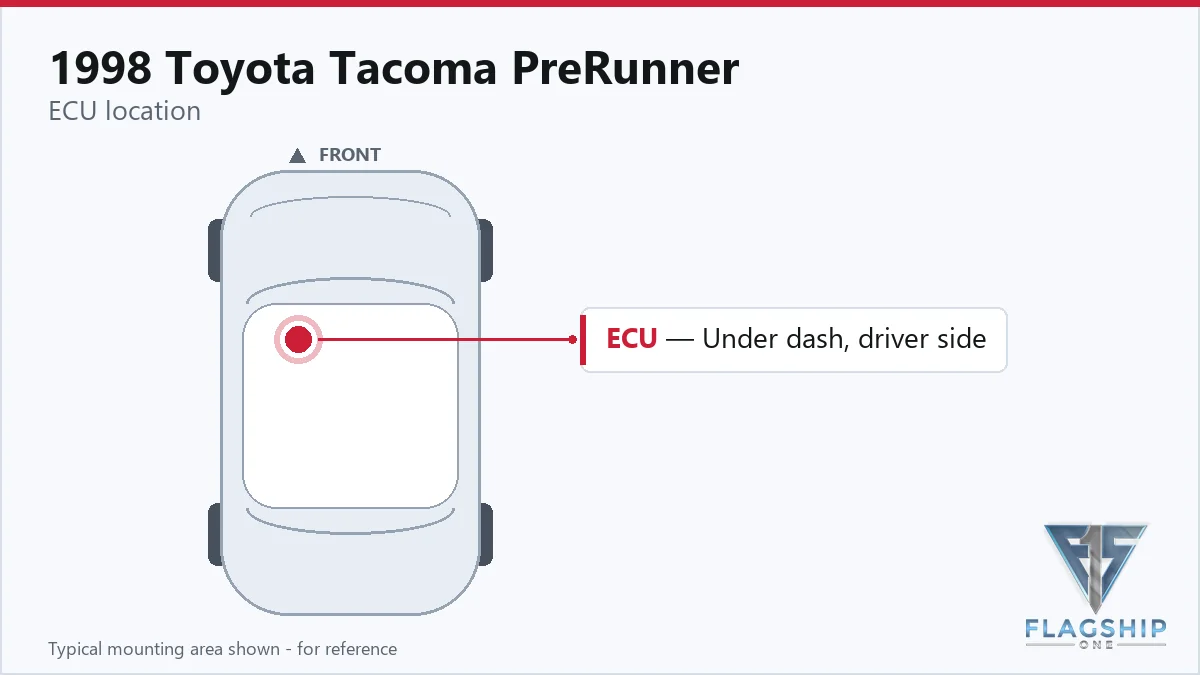
Work with the ignition off, and treat the module as static-sensitive: avoid touching the connector pins at any point.
| Operation | Configuration | Book Time |
|---|---|---|
| Engine Control Module Relearn | All configurations | 0.5 hr |
| Engine Control Module R&R | All configurations | 0.7 hr |
| Powertrain Control Module R&R | All configurations | 0.7 hr |
| Powertrain Control Module Relearn | All configurations | 0.5 hr |
After a new or refurbished ECM is physically installed, the factory service procedure calls for a 0.5-hour relearn process. This typically involves an idle learn routine where the engine is started and allowed to reach operating temperature without touching the throttle, followed by a specific drive cycle to allow the computer to adapt to the vehicle’s sensors and actuators. Some models also require a throttle position sensor calibration or transmission adaptive learning. However, a VIN-programmed replacement unit from Flagship One arrives with the vehicle-specific calibration already loaded and the security handshake configured, so the post-install relearn is not necessary. The module is programmed to your truck’s VIN and factory options before it ships, meaning you can simply plug it in, reconnect the battery, and start the engine. This eliminates the need for a dealership visit or a professional scan tool to perform the learn procedure, saving both time and expense.
A failing engine control module in the 1998 Toyota Tacoma PreRunner often produces symptoms that can be mistaken for other problems. The most common complaint is a no-start condition where the engine cranks but does not fire, because the ECM fails to trigger the fuel injectors or ignition coils. Intermittent stalling while driving or at idle is another frequent sign, especially when the module loses its ability to process sensor signals reliably. You may notice a rough idle, hesitation on acceleration, or a sudden drop in fuel economy as the computer delivers incorrect fuel mixtures. The check engine light may illuminate, and a scan tool might fail to communicate with the module entirely, indicating a dead or unresponsive computer. In some cases, the transmission may shift erratically if the ECM also controls shift solenoids. Because these issues can also stem from faulty sensors, wiring, or fuel delivery problems, a thorough diagnosis is essential before condemning the ECM. Paying attention to when the symptoms occur—such as after the engine warms up—can help pinpoint an internal module fault that only appears with heat expansion.
Begin by checking for spark and fuel pressure. If both are present but the injectors are not pulsing, the ECM may not be grounding the injector circuit. A scan tool that cannot communicate with the module is another strong indicator. Always rule out simple issues like blown fuses and corroded connectors before replacing the computer.
A used ECM may plug in, but it will likely contain a different VIN and calibration that does not match your truck’s immobilizer or transmission settings. This can cause a no-start or drivability problems. A VIN-programmed unit matched to your vehicle’s exact specifications avoids these issues and does not require a separate relearn.
The labor guide lists 0.7 hours for engine control module removal and installation. An additional 0.5 hours is specified for the post-install relearn procedure, though a VIN-programmed replacement arrives with that step already completed, so the total job can often be done in under an hour.
If your original ECM is damaged, you can choose between repairing the existing unit or installing a refurbished replacement. For the 1998 Tacoma PreRunner, a VIN-programmed module eliminates the need for a dealer relearn, making it a practical option for both DIYers and professional shops. The straightforward location and modest labor time mean you can have the truck running again the same day without specialized programming tools.
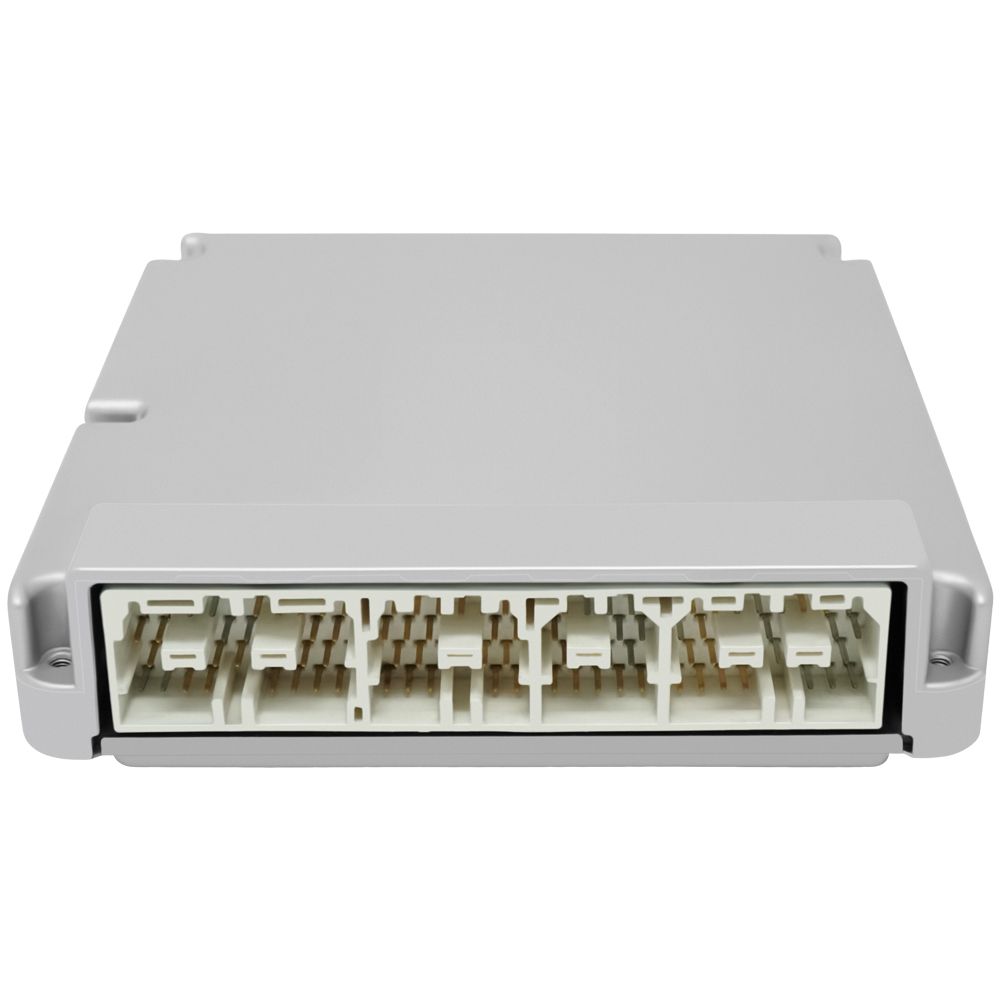
Flagship One stocks a refurbished, VIN-programmed PCM for the 1998 Toyota Tacoma PreRunner with a lifetime warranty, free shipping and no core charge. The full Toyota Tacoma PreRunner module lineup covers other engine configurations as well.
Whether you are chasing an intermittent stall or planning a preventative repair, knowing the ECM’s role in your 1998 Toyota Tacoma PreRunner helps you make a confident decision. The module is accessible in the instrument panel, and with a VIN-programmed replacement, the job is a simple swap that restores factory performance. Taking care of the electrical system and addressing codes early can extend the life of the new computer and keep your Tacoma reliable for years to come.