
Last updated on August 25th, 2026 at 12:05 pm
The engine management module controls fuel and ignition timing. Failure may cause drivability issues. This component processes sensor data to optimize performance. If it fails, your 1999 Toyota Tacoma PreRunner may not run.
When your truck experiences electronic glitches, understanding the central computer helps. You might notice performance drops or warning lights appearing on the dash. This guide explains the role of the management unit in your specific model. We cover where the unit sits and what removal involves. You will learn about labor expectations and access requirements. Knowing these details helps you plan repairs effectively. Many owners hesitate when facing computer issues. Proper knowledge reduces uncertainty during the service process. You can anticipate the steps needed for restoration. This information supports informed decisions about your vehicle. Technical specifications vary across different model years. Focus remains on your 1999 Toyota Tacoma PreRunner specifics. We avoid generalizations to ensure accuracy for your situation. Reading this prepares you for potential service visits. You gain clarity on what mechanics typically perform. Understanding the scope helps manage repair costs. Your truck deserves precise attention during diagnostics. This overview sets realistic expectations for the work. Mechanics follow specific protocols for each replacement job. Trust verified data when evaluating service needs.
This component manages critical engine functions like fuel injection. It monitors sensors to adjust timing for efficiency. Without it, your truck cannot operate correctly. The system processes data from various input sources. Errors here often lead to significant drivability problems. You rely on this unit for daily performance. When it fails, replacement becomes necessary for restoration. Many shops stock replacement engine computers for the Tacoma to facilitate repairs. These units restore communication with other vehicle systems. Proper function ensures emissions compliance and smooth operation. The computer dictates shift points in automatic transmissions. It also controls idle speed during warm-up cycles. Neglecting faults may cause further damage to components. You should address warning lights promptly for safety. This module acts as the brain of the engine. Its health determines overall vehicle reliability and power. Technicians diagnose issues using specialized scan tools regularly. Internal circuits may degrade over time due to heat. Moisture intrusion can also compromise electronic integrity quickly. Replacement restores factory specifications for your specific model. You benefit from renewed control over engine parameters. Understanding its role helps prioritize maintenance tasks effectively. Voltage fluctuations from the alternator may stress internal components. Corrosion on connectors often interrupts signal transmission paths. Regular inspections help identify wear before total failure occurs. Protecting the unit extends the life of your truck.
1999 Toyota Tacoma PreRunner
OEM programmed ECM for your 1999 Toyota Tacoma PreRunner — plug & play, no dealer visit.
Free shipping · Lifetime warranty
Factory documentation indicates the engine ECU sits within the instrument panel. You must remove the Glove Compartment Door and Lower Finish No.2 Panel. Access requires careful handling of interior trim pieces. Book time for removing and installing the powertrain control module takes 0.7 hours. Relearning procedures for the powertrain control module require 0.5 hours. Engine control module removal and installation is 0.7 hours. Engine control module relearn steps take 0.5 hours. These figures represent standard labor units for the job. Your technician will follow these guidelines during service. Physical access is restricted behind dashboard components. Patience is needed to avoid breaking clips. Proper tools ensure safe removal of plastic panels. Once exposed, the module connects via wiring harness. Disconnecting power prevents electrical shorts during the work. Reinstallation reverses the access path steps precisely. Verify all panels snap back into place. Labor costs vary based on shop rates locally. The location protects the unit from engine heat. However, it complicates physical access for replacements. Plan for the stated time allocations accordingly.
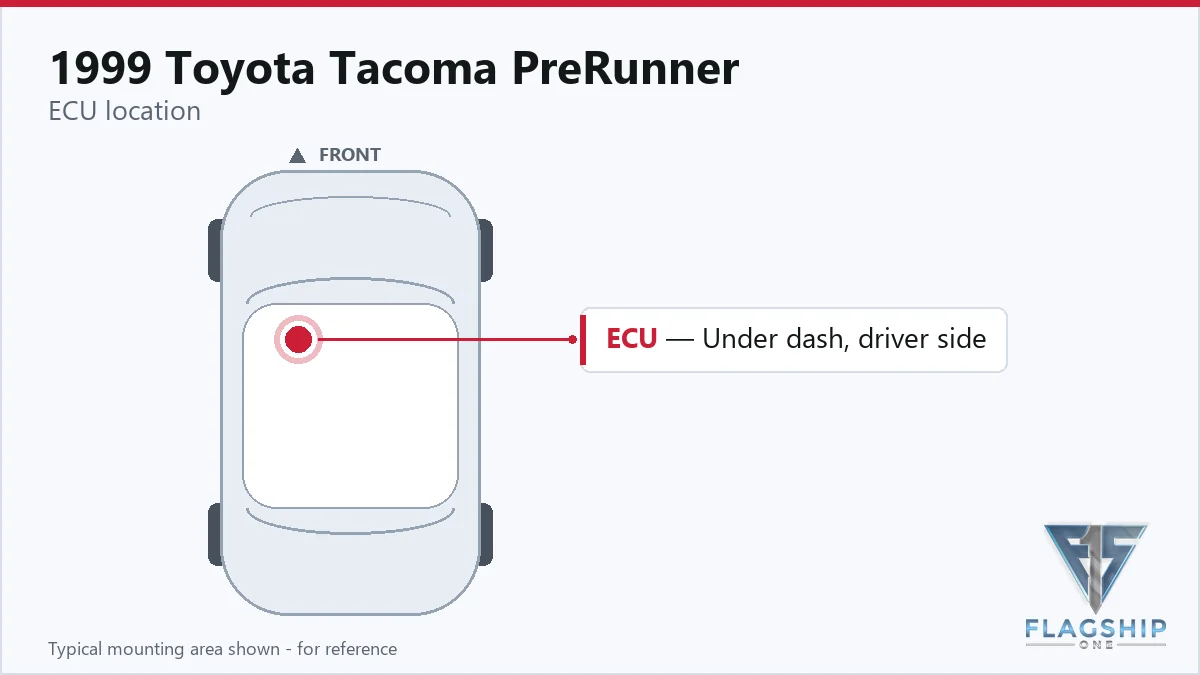
Work with the ignition off, and treat the module as static-sensitive: avoid touching the connector pins at any point.
| Operation | Configuration | Book Time |
|---|---|---|
| Powertrain Control Module R&R | All configurations | 0.7 hr |
| Powertrain Control Module Relearn | All configurations | 0.5 hr |
| Engine Control Module Relearn | All configurations | 0.5 hr |
| Engine Control Module R&R | All configurations | 0.7 hr |
Factory procedures typically require specific initialization steps after installation. Technicians must link the new module to the vehicle. This process ensures all systems communicate correctly together. Skipping this step often results in poor performance. You need specialized equipment to complete the relearn. Flagship One simplifies this by providing a complete VIN-programmed replacement unit ready for use. This approach eliminates the need for additional coding. Your truck recognizes the module immediately upon connection. Standard protocols demand configuration before driving normally. We handle the programming prior to shipping the part. This saves time during the actual repair process. You avoid delays associated with onsite configuration tasks. The unit matches your vehicle identification number exactly. Compatibility is verified before the item leaves our facility. Proper programming prevents immobilizer issues from arising later. You gain confidence knowing the setup is complete. Mechanics appreciate receiving parts that install directly. This service reduces total time spent in the shop. Trust the preconfigured solution for reliable results.
Common signs of failure include unexpected engine stalling. You might experience difficulty starting the truck in mornings. Misfire codes often appear on diagnostic scanners regularly. Dead scan-tool communication indicates a serious module fault. Shifting issues may occur in automatic transmission models. The engine may run rough under load conditions. Fuel economy often drops significantly when faults exist. Warning lights illuminate on the dashboard without cause. Your 1999 Toyota Tacoma PreRunner may enter limp mode. Performance feels sluggish during acceleration attempts frequently. Intermittent power loss happens while driving on highways. Electrical glitches affect other systems linked to the computer. Sensors report incorrect data to the management unit. You notice hesitation when pressing the gas pedal. Idle speed fluctuates wildly at stop lights often. The vehicle might shut off unexpectedly at intersections. These symptoms suggest the computer needs professional assessment. Ignoring signs leads to more complex repairs later. Diagnostics confirm whether the module is the culprit. Replacement resolves these issues if the unit is bad. Other causes like wiring should be ruled out. Proper testing isolates the failure source accurately. You restore normal operation by addressing the root cause. Trust experienced technicians to verify the diagnosis first.
Driving is not recommended as stalling may occur. Safety risks increase when engine control is compromised. You should arrange towing to a repair shop.
Flagship One units arrive ready to install typically. Additional coding steps are usually not required for these parts. Verify specifics with your service provider.
Book time suggests under one hour for removal. Relearn steps add additional time to the total job. Shop rates affect the final cost significantly.
Yes, if the unit is correctly programmed beforehand. Communication must be established for the engine to run. Ensure all connections are secure properly.
Heat and vibration often degrade internal circuits over time. Moisture intrusion can also compromise electronic integrity quickly. Electrical surges from the alternator are possible.
You have options when facing computer failure in your truck. Refurbished replacements offer a cost-effective solution for repairs. New units cost more but provide fresh components. Consider the condition of your wiring before buying. A rebuilt module often restores performance reliably. Evaluate your budget and long-term ownership plans. This context helps choose the right path forward.
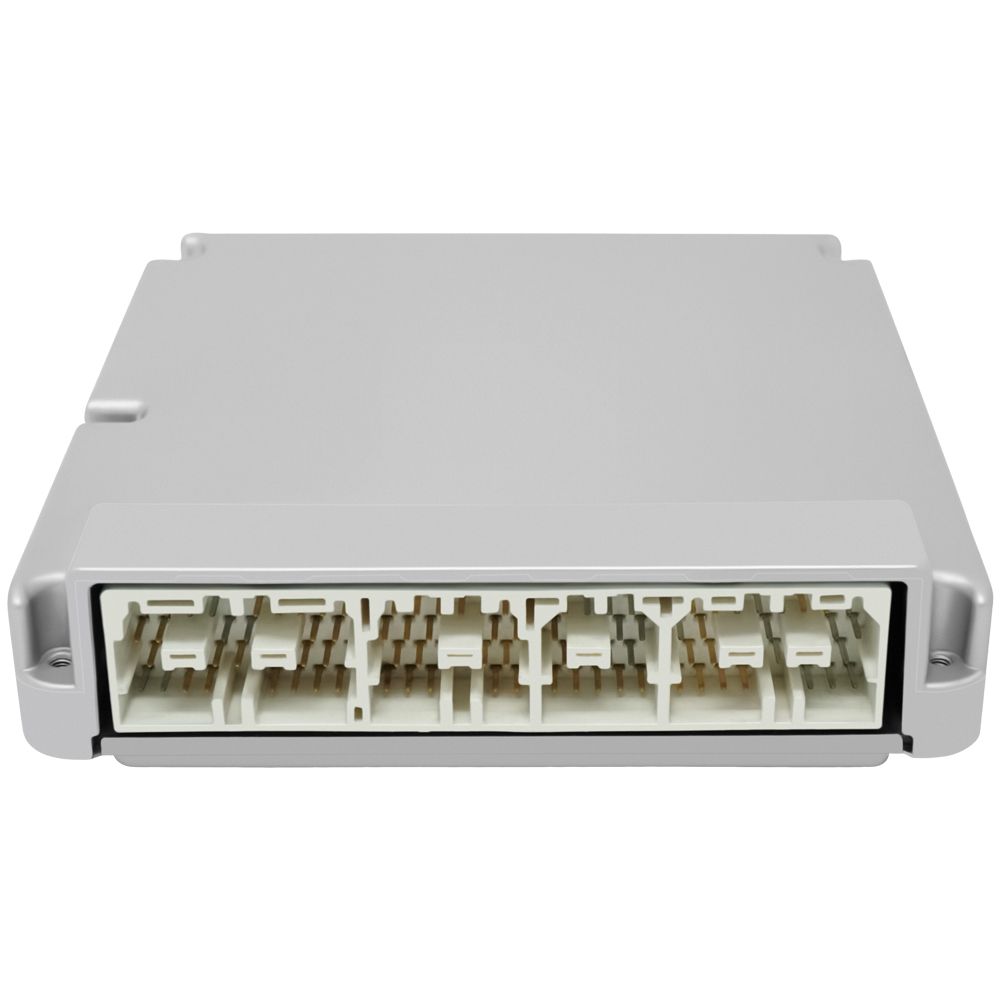
Flagship One stocks a refurbished, VIN-programmed PCM for the 1999 Toyota Tacoma PreRunner with a lifetime warranty, free shipping and no core charge. The full Toyota Tacoma PreRunner module lineup covers other engine configurations as well.
Restoring your 1999 Toyota Tacoma PreRunner requires careful parts selection. Understanding the module role aids your repair decisions. You now know the location and labor expectations. Proceed with confidence using this technical information. Contact us for further assistance with your order. Proper installation ensures longevity for your specific model. Trust professional guidance when navigating electronic system repairs. We support your maintenance goals effectively.