
Last updated on August 25th, 2026 at 12:06 pm
The Engine Control Module (ECM) in your 1997 Toyota Supra manages fuel injection, ignition timing, and emissions systems. Failure may cause erratic engine behavior, poor performance, or a complete no-start condition.
If your 1997 Toyota Supra is experiencing unexplained stalling, misfires, or a no-start condition, the Engine Control Module (ECM) may be the culprit. This small but critical computer manages everything from fuel delivery to ignition timing, ensuring your engine runs smoothly. When it fails, symptoms can range from subtle performance issues to complete engine shutdown. Replacing the ECM involves accessing the module, which is located in the instrument panel, and performing a relearn procedure to sync it with your vehicle’s systems. Understanding the process, symptoms, and solutions can help you make an informed decision about repairs. Whether you’re a DIY enthusiast or planning to visit a mechanic, knowing what to expect can save time and reduce frustration. This guide covers everything you need to know about the ECM in your Supra, from location and replacement steps to common failure signs and preventive tips.
The Engine Control Module (ECM) in your 1997 Toyota Supra serves as the brain of the engine management system. It continuously monitors sensors throughout the engine and adjusts fuel injection, ignition timing, and idle speed to optimize performance and emissions. Without a functioning ECM, your Supra may struggle to start, run roughly, or even fail to run at all. The module also communicates with the transmission control system to ensure smooth shifting, making it a key component for both drivability and reliability. Over time, heat, vibration, or electrical issues may cause the ECM to degrade, leading to intermittent or permanent failures. When replacement becomes necessary, choosing replacement engine computers for the Supra ensures compatibility and proper functionality. A faulty ECM can trigger a range of symptoms, from check engine lights to severe drivability problems, so addressing issues promptly is essential for maintaining your vehicle’s performance.
1997 Toyota Supra
OEM programmed ECM for your 1997 Toyota Supra — plug & play, no dealer visit.
Free shipping · Lifetime warranty
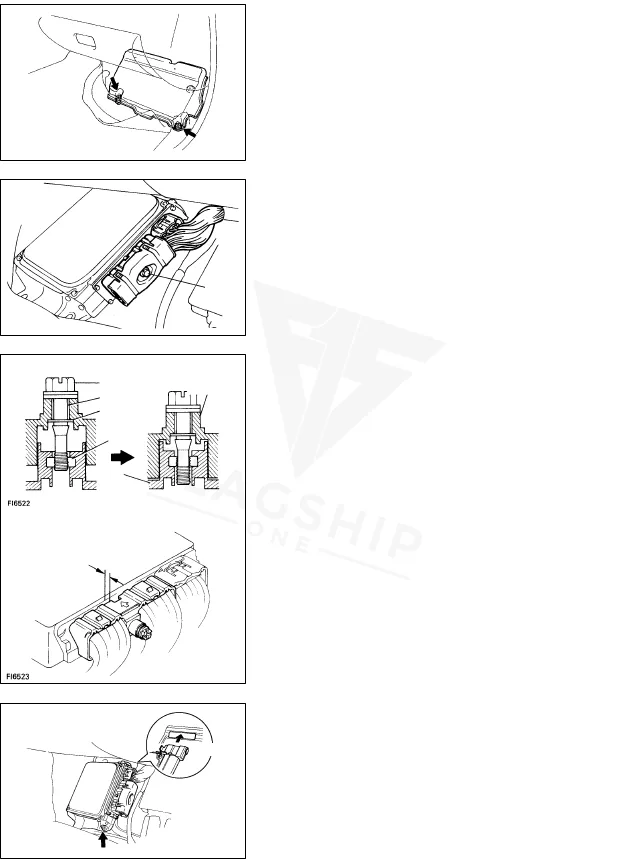
In the 1997 Toyota Supra, the ECM is located behind the instrument panel, which means accessing it requires removing parts of the dashboard. This placement protects the module from moisture and extreme temperatures but can make replacement slightly more involved than in vehicles where the ECM is mounted in the engine bay. The labor time for removing and reinstalling the ECM is typically 1.0 hours, according to factory guidelines. This includes disconnecting the battery, removing dashboard panels, unplugging the wiring harness, and securing the new module in place. Once installed, the ECM must be properly torqued to avoid vibration-related issues. Given the location, it’s important to ensure all connectors are fully seated and free of corrosion before reassembly. If you’re not comfortable working around the dashboard, a professional mechanic can handle the job efficiently.
| Operation | Configuration | Book Time |
|---|---|---|
| Engine Control Module Relearn | All configurations | 0.5 hr |
| Engine Control Module R&R | All configurations | 1.0 hr |
| Powertrain Control Module R&R | All configurations | 1.0 hr |
| Powertrain Control Module Relearn | All configurations | 0.5 hr |
After replacing the ECM in your 1997 Toyota Supra, a relearn procedure is required to synchronize the new module with the vehicle’s systems. This process typically takes about 0.5 hours and involves resetting learned values for fuel trim, idle speed, and other adaptive parameters. Without this step, your Supra may experience poor performance, rough idling, or even fail to start. However, if you opt for a VIN-programmed replacement unit, the relearn procedure is already completed at the factory, saving you time and ensuring immediate compatibility. This means your vehicle will recognize the new ECM as soon as it’s installed, allowing you to drive without additional programming steps. For those performing the replacement themselves, following the factory procedure precisely is crucial to avoid drivability issues. Always disconnect the battery before installation to prevent electrical spikes that could damage the new module.
A failing ECM in your 1997 Toyota Supra can manifest in several ways, often mimicking other mechanical or electrical issues. One of the most common symptoms is a no-start condition, where the engine cranks but fails to fire. This may occur intermittently or become permanent as the module degrades. Stalling or rough idling, especially when the engine is warm, is another red flag, as the ECM may struggle to maintain proper fuel and air ratios. Misfires, poor acceleration, or a noticeable drop in fuel efficiency can also indicate ECM problems. In some cases, the check engine light may illuminate, and a scan tool may reveal communication errors or specific trouble codes like internal control module memory check sum error. Additionally, you might experience shifting issues if the ECM’s communication with the transmission control module is disrupted. Since these symptoms can overlap with other failures, such as sensor malfunctions or fuel system problems, diagnosing the ECM requires careful testing. If multiple symptoms appear simultaneously, the ECM is often the most likely culprit.
Common signs include a no-start condition, stalling, rough idling, misfires, or poor acceleration. If the check engine light is on, a scan tool may reveal trouble codes related to the ECM or its circuits. Since symptoms can overlap with other issues, professional diagnosis is often necessary.
Yes, but it requires removing parts of the dashboard to access the module. The process involves disconnecting the battery, unplugging the wiring harness, and securing the new ECM. A relearn procedure is also needed unless you use a pre-programmed unit. If you’re unfamiliar with dashboard disassembly, a mechanic may be a better option.
The relearn procedure resets adaptive values stored in the ECM, such as fuel trim and idle speed. Without it, your vehicle may run poorly or fail to start. The process typically takes about 0.5 hours and ensures the new ECM syncs with your Supra’s systems.
Common causes include electrical surges, heat, vibration, or moisture intrusion. Poor charging system health, corroded connectors, or voltage spikes during jump-starting can also damage the ECM. Over time, internal components may degrade, leading to failure.
Repairing an ECM is often unreliable, as internal damage may not be fully reversible. Replacement with a new or refurbished unit is typically the best option. A pre-programmed ECM eliminates the need for post-install programming, making the process faster and more convenient.
If your 1997 Toyota Supra is showing signs of ECM failure, you have a few options. Repairing the module is rarely cost-effective, as internal damage may persist. Replacing it with a new or refurbished unit ensures reliability, and opting for a pre-programmed ECM saves time by eliminating the relearn procedure. Whether you choose to tackle the replacement yourself or leave it to a professional, addressing the issue promptly can restore your Supra’s performance and prevent further drivability problems.
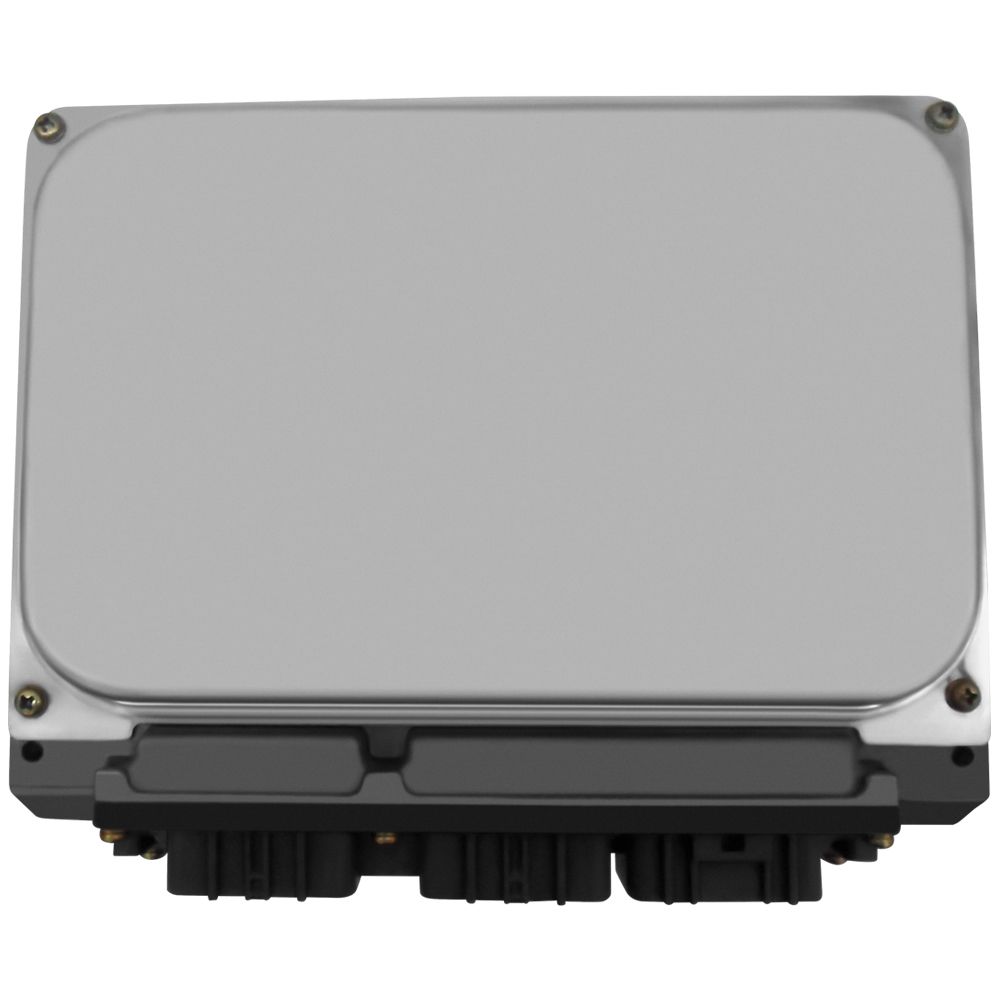
Flagship One stocks a refurbished, VIN-programmed PCM for the 1997 Toyota Supra with a lifetime warranty, free shipping and no core charge. The full Toyota Supra module lineup covers other engine configurations as well.
The ECM in your 1997 Toyota Supra plays a vital role in engine performance and drivability. If you’re experiencing symptoms like stalling, misfires, or a no-start condition, the ECM may be the cause. Replacing it involves accessing the module behind the dashboard and performing a relearn procedure, unless you use a pre-programmed unit. By understanding the process and symptoms, you can make an informed decision about repairs and keep your Supra running smoothly for years to come.