
Last updated on August 25th, 2026 at 12:26 pm
The engine control module (ECU) in the 1993 Toyota Supra manages fuel injection, ignition timing, and emissions systems. Failures may cause stalling, poor performance, or a complete no-start condition due to disrupted sensor communication or internal faults.
If your 1993 Toyota Supra is experiencing unexplained stalling, rough idling, or a refusal to start, the engine control module (ECU) may be at fault. This critical component governs fuel delivery, ignition timing, and emissions controls, ensuring smooth operation. Replacing it involves more than just swapping hardware—proper installation and programming are essential to restore performance. Understanding the location, labor requirements, and post-replacement steps helps you avoid unnecessary delays or complications. Whether you’re diagnosing a persistent issue or preparing for a repair, knowing these details ensures a smoother process and gets your Supra back on the road reliably.
1993 Toyota Supra
OEM programmed replacements — plug & play, no dealer visit.
Find yours by year, make & model →
Free shipping · Lifetime warranty
The ECU in the 1993 Toyota Supra acts as the brain of the engine, interpreting signals from sensors to optimize fuel mixture and ignition timing. Without it, the engine may run poorly or fail to start entirely. Over time, internal components can degrade, leading to erratic behavior or complete failure. When replacement becomes necessary, replacement engine computers for the Supra are designed to match the original specifications, ensuring compatibility with the vehicle’s systems. Proper installation and programming are critical, as even a minor mismatch can disrupt performance or trigger drivability issues.
The 1993 Supra’s ECU is mounted behind the instrument panel, requiring removal of interior trim for access. Factory labor estimates allocate 1.0 hours for replacement, which includes disconnecting the wiring harness, removing the old unit, and securing the new module. The process is straightforward but demands care to avoid damaging connectors or surrounding components. Once installed, the battery must be reconnected following the factory caution: wait 90 seconds after turning the ignition to “LOCK” before disconnecting the negative terminal. This step helps prevent electrical surges that could affect the new ECU or other sensitive electronics.
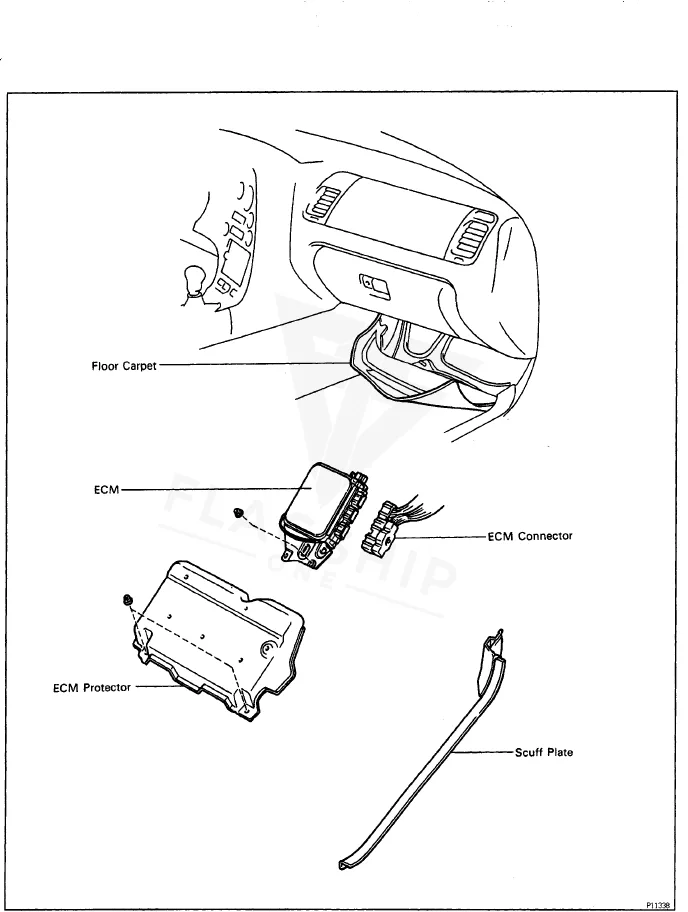
Work with the ignition off, and treat the module as static-sensitive: avoid touching the connector pins at any point.
| Operation | Configuration | Book Time |
|---|---|---|
| Engine Control Module Relearn | All configurations | 0.5 hr |
| Engine Control Module R&R | All configurations | 1.0 hr |
| Powertrain Control Module R&R | All configurations | 1.0 hr |
| Powertrain Control Module Relearn | All configurations | 0.5 hr |
After installing a new ECU in the 1993 Supra, the factory requires a relearn procedure, typically taking 0.5 hours. This step ensures the module synchronizes with the engine’s sensors and fuel system. However, a VIN-programmed replacement unit from Flagship One arrives pre-configured, eliminating the need for manual relearning. This saves time and reduces the risk of incomplete initialization, which could lead to poor performance or persistent drivability issues. Simply install the unit, reconnect the battery following the factory caution, and the vehicle should operate as expected without additional steps.
A failing ECU in the 1993 Toyota Supra may cause a range of symptoms, from intermittent stalling to a complete no-start condition. Drivers often report rough idling, hesitation under acceleration, or erratic shifting if the module affects transmission signals. In some cases, the engine may crank but fail to start due to disrupted fuel or ignition timing. Dead communication with a scan tool is another red flag, indicating the ECU is unresponsive. While these issues can stem from other sources, persistent symptoms without clear mechanical causes suggest the module itself may be compromised. Addressing the problem early can prevent further drivability issues.
Random stalling in the 1993 Supra may indicate an ECU struggling to maintain consistent sensor communication. Cold temperatures can exacerbate internal faults, leading to intermittent failures. Testing the module’s connections and voltage supply often reveals the issue, though replacement may be necessary if symptoms persist.
Driving with a faulty ECU is risky, as it may cause sudden stalling or complete engine shutdown. Performance issues like misfires or poor acceleration can also develop, making the vehicle unsafe to operate. Replacement is recommended as soon as symptoms appear to avoid further complications.
ECU failures in the 1993 Supra often mimic sensor issues, such as erratic idling or poor fuel economy. A thorough inspection of wiring and connectors can rule out external problems. If sensors test within specifications but symptoms persist, the ECU itself may be the root cause and require replacement.
When the 1993 Toyota Supra’s ECU fails, repair isn’t always practical due to the complexity of internal components. A refurbished replacement unit offers a reliable alternative, restoring original performance without the uncertainty of used parts. Given the labor involved, choosing a pre-programmed module saves time and ensures proper initialization. Whether you’re addressing a no-start condition or persistent drivability issues, a direct replacement is often the most efficient solution.
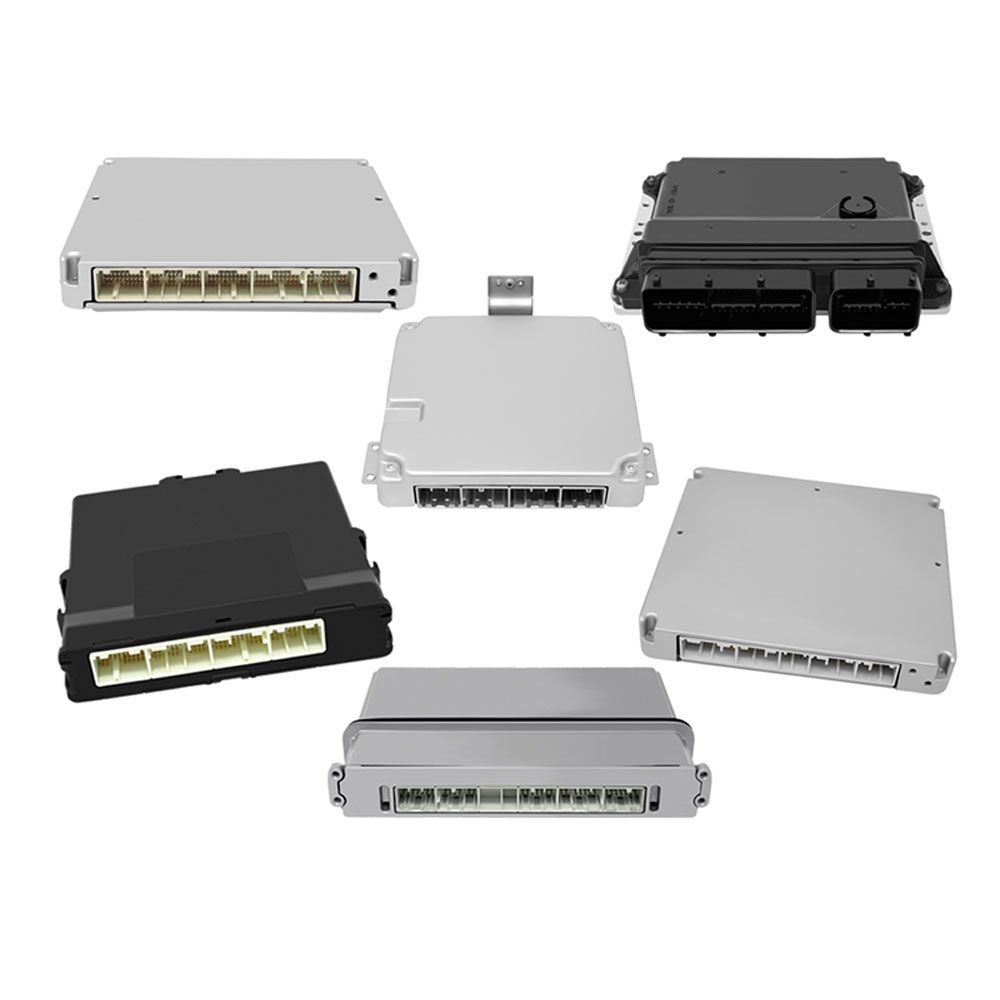
Flagship One stocks a refurbished, VIN-programmed PCM for the 1993 Toyota Supra with a lifetime warranty, free shipping and no core charge. The full Toyota Supra module lineup covers other engine configurations as well.
The 1993 Toyota Supra relies on its ECU to maintain smooth, reliable operation. When symptoms like stalling or no-start conditions arise, prompt replacement can prevent further complications. With the right unit and proper installation, your Supra will return to its expected performance. Consider a pre-programmed module to simplify the process and get back on the road with confidence.