
Last updated on August 25th, 2026 at 12:08 pm
The powertrain control module in the 2000 Plymouth Neon manages critical engine and transmission functions. When this computer fails, it often causes starting difficulties, erratic shifting, or illuminated warning lights, requiring replacement to restore proper vehicle operation.
When your 2000 Plymouth Neon begins to exhibit frustrating drivability issues, the powertrain control module often emerges as a primary suspect. This critical computer orchestrates the fuel and ignition strategies for the 2.0L engine, and when it malfunctions, the consequences can range from minor annoyances to complete operational failure. Understanding how this component functions, where it is situated under the hood, and what is strictly required to replace it can save you significant time and diagnostic frustration. You may face confusing diagnostic trouble codes or sudden stalling, leaving you uncertain about the appropriate next steps for your vehicle. By exploring the specifics of the Neon’s engine management system, you gain the knowledge necessary to navigate the repair process confidently and effectively. This guide covers the essential details regarding the module’s role, its physical location, and the factory requirements for programming a replacement unit. We will also discuss common symptoms of failure and relevant service bulletins, providing a comprehensive overview of what to expect when addressing powertrain control module issues in your 2000 Plymouth Neon, ensuring you make informed repair decisions.
The powertrain control module serves as the central brain for your 2000 Plymouth Neon, continuously processing data from various engine sensors to regulate critical performance parameters. It actively controls fuel injection timing, ignition spark delivery, and emission system operations to ensure the 2.0L engine runs efficiently under all driving conditions. When you consider replacement engine computers for the Neon, it is vital to recognize just how much this component influences everyday drivability, fuel economy, and overall vehicle reliability. The module constantly adjusts the air-fuel mixture based on throttle position, engine temperature, and oxygen sensor readings, maintaining optimal combustion at all times. If the unit begins to fail internally, these precise calibrations are often severely disrupted, leading to poor engine performance, reduced fuel economy, or persistent rough idling. The module also oversees the automatic transmission shifting patterns, ensuring smooth gear transitions under varying load conditions to prevent undue stress on the internal drivetrain components. Beyond engine and transmission management, it actively monitors the entire network for faults, storing diagnostic trouble codes that help technicians accurately identify the root cause of specific malfunctions. Because it integrates so many vital operational functions, a malfunctioning unit can create a cascading effect across multiple vehicle systems, making it impossible to ignore the resulting drivability symptoms. Understanding its central role highlights why ensuring the computer is functioning correctly is paramount to the overall mechanical health of your sedan.
Engine computer (ECM/PCM)
OEM programmed replacements — plug & play, no dealer visit.
Find yours by year, make & model →
Free shipping · Lifetime warranty
In the 2000 Plymouth Neon, the factory removal procedure indicates that technicians access the control module situated directly adjacent to the air cleaner housing. Reaching this component typically involves navigating around the intake filtration components and associated ductwork. According to standard labor guides, the physical removal and replacement of the engine control module takes 0.5 hours, while the identical procedure for the powertrain control module also requires 0.5 hours. Once the hardware is swapped, initializing the new unit is a separate task. The relearn procedure for the engine control module takes 0.5 hours, and the powertrain control module relearn similarly requires 0.5 hours. This means the physical swap is relatively straightforward, but the subsequent idle and fuel adaptation processes demand dedicated time to ensure the vehicle runs correctly. Proper access near the intake housing ensures you can disconnect the electrical harnesses safely without damaging the delicate wiring terminals during the extraction process.
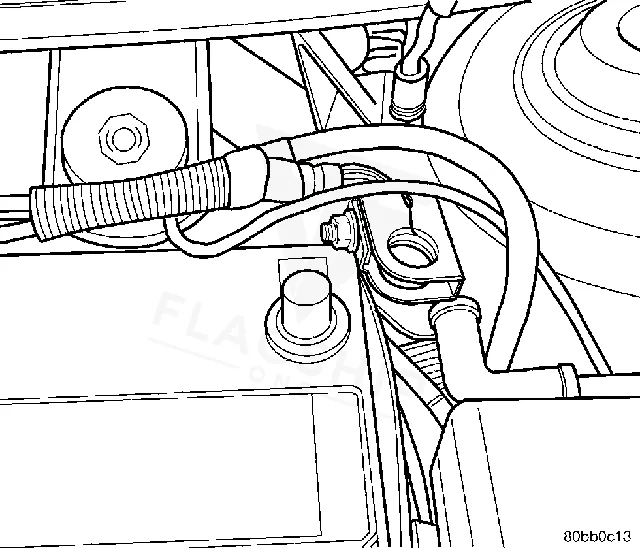
Work with the ignition off, and treat the module as static-sensitive: avoid touching the connector pins at any point.
| Operation | Configuration | Book Time |
|---|---|---|
| Engine Control Module Relearn | All configurations | 0.5 hr |
| Engine Control Module R&R | All configurations | 0.5 hr |
| Powertrain Control Module R&R | All configurations | 0.5 hr |
| Powertrain Control Module Relearn | All configurations | 0.5 hr |
Following the installation of a new module, the factory outlines specific programming requirements that must be completed before the 2000 Plymouth Neon will operate correctly. The official procedure dictates using the DRB scan tool to reprogram the replacement PCM using the factory identification number alongside the original mileage. Without entering this critical data, the engine may refuse to start or exhibit severe drivability anomalies because the immobilizer and fuel strategies remain uninitialized. When you purchase a VIN-programmed replacement unit from Flagship One, these extensive programming steps are already completed before the part ships. This means you can avoid the costly dealership visit and the need for specialized diagnostic equipment entirely. Your vehicle’s specific data is flashed into the module ahead of time, ensuring a straightforward installation process. You simply install the unit, perform the necessary idle relearn procedures, and continue driving, confident that the computer already recognizes your vehicle’s specific parameters and is ready to manage the 2.0L engine immediately.
When the powertrain control module begins to fail in the 2000 Plymouth Neon, the vehicle often exhibits clear drivability symptoms that disrupt normal operation. One of the most common signs is a complete no-start condition, where the engine cranks vigorously but fails to ignite due to a lack of fuel injector pulse or ignition spark commands from the computer. Intermittent stalling is another frequent complaint, often occurring unexpectedly at idle or low speeds, which can create hazardous driving situations in traffic. You might also notice harsh or erratic automatic transmission shifting, as the failing computer cannot properly regulate the solenoids that control fluid pressure. Misfire codes may appear even when the ignition components are in good shape, pointing directly to a control issue rather than mechanical wear. Additionally, dead scan-tool communication is a strong indicator, as a completely unresponsive module will prevent a technician from reading live data or clearing historical codes. The vehicle may also trigger module-internal trouble codes, indicating that the processor itself is compromised. For instance, a internal memory fault often signifies that the checksum calculation has failed, meaning the software inside the module is corrupted and can no longer be trusted to manage the engine accurately. Recognizing these specific symptoms early can help prevent further damage and ensure a swift, accurate diagnosis for your sedan.
When the internal circuitry of the computer degrades, the 2000 Plymouth Neon typically logs specific module-internal trouble codes. These particular codes indicate failures within the processor itself rather than external sensor malfunctions, requiring direct replacement of the unit to resolve the issue completely and restore functionality.
| Code | Meaning | Full Guide |
|---|---|---|
| P0600 | Module-internal fault | Full P0600 guide → |
| P0601 | Internal memory checksum error | Full P0601 guide → |
The manufacturer released service bulletin number 08-030-06 Rev. A to address powertrain control module initialization procedures. This bulletin outlines the necessary steps technicians must follow when installing a replacement computer to ensure it communicates correctly with the other vehicle systems. Proper initialization is critical for the 2000 Plymouth Neon, as failing to follow the documented procedure may result in continued drivability issues or recurring fault codes. The bulletin emphasizes the importance of utilizing the correct diagnostic scan tool to complete the initialization sequence, ensuring the new module recognizes the vehicle’s network configuration. Adhering to the guidelines set forth in service bulletin 08-030-06 Rev. A helps guarantee that the replacement module functions as intended, providing a reliable repair that addresses the original failure without introducing new complications to the engine management system.
| Bulletin | Subject | What It Addresses |
|---|---|---|
| 08-030-06 Rev. A | 08-030-06 Rev. A Powertrain Control Module Initialization | — |
The factory removal procedure indicates that the control module is situated directly adjacent to the air cleaner housing. This location allows for relatively straightforward access once the intake filtration components are moved aside.
The factory procedure requires using a DRB scan tool to reprogram the replacement PCM using the factory identification number alongside the original mileage. This ensures the replacement unit matches the vehicle’s specific configuration and security protocols.
The standard book time for the physical removal and replacement of the engine control module is 0.5 hours. An additional 0.5 hours is allocated for the necessary relearn procedure to calibrate the new unit to the vehicle.
This specific bulletin addresses powertrain control module initialization. It outlines the required steps to properly initialize a replacement module so it functions correctly within the vehicle’s electronic network.
Yes, the powertrain control module manages the automatic transmission solenoids, and a failure can lead to harsh or erratic shifting. Resolving the computer issue often restores normal transmission operation.
Deciding between a costly dealership repair and a quality refurbished replacement for your 2000 Plymouth Neon often comes down to time and expense. A pre-programmed unit eliminates the need for specialized scan tools and dealership visits, getting your 2.0L engine back on the road efficiently. Choosing a reliable remanufactured option provides the necessary function without the premium price tag of a brand-new original equipment part.
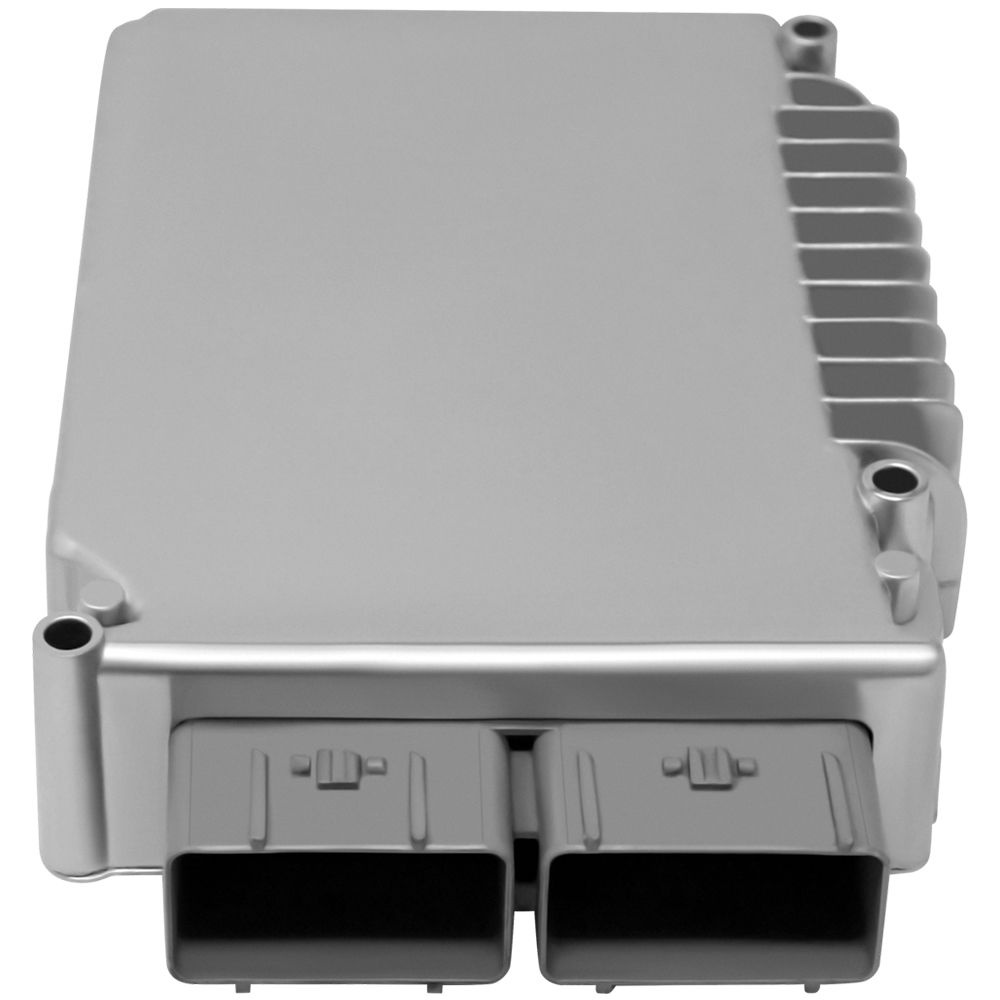
Flagship One stocks a refurbished, VIN-programmed PCM for the 2000 Plymouth Neon with a lifetime warranty, free shipping and no core charge. The full Plymouth Neon module lineup covers other engine configurations as well.
Addressing powertrain control module issues in your 2000 Plymouth Neon requires understanding its specific location, programming demands, and initialization procedures. By recognizing the symptoms of internal failure and the necessary relearn times, you can approach the repair process with confidence and clarity. Ensure your 2.0L engine runs reliably by exploring quality replacement options that arrive pre-programmed and ready for straightforward installation, restoring your vehicle’s performance.