
Last updated on August 25th, 2026 at 12:24 pm
In the 1998 Plymouth Neon, the Powertrain Control Module (PCM) and Engine Control Module (ECM) act as the vehicle’s electronic brain, managing fuel delivery, ignition timing, and transmission shift points. A failure in either unit can interrupt communication with sensors, trigger diagnostic codes, and result in loss of power, stalling, or an inability to start. The modules rely on the original VIN and mileage for accurate calibration, so any replacement must retain that data to keep the engine running as designed.
When a 1998 Plymouth Neon begins to exhibit intermittent power loss, unexpected stalls, or trouble codes related to the engine’s control systems, the underlying cause is frequently traced to the Powertrain Control Module or the Engine Control Module. Both modules coordinate fuel injection, spark timing, and transmission behavior, so any disruption can manifest as a range of drivability problems. This guide explains how the Neon’s PCM and ECM function, what symptoms to watch for, the steps involved in removing and installing a replacement, and why Flagship One’s VIN‑programmed units simplify the post‑install process. By the end of the article you should understand the labor requirements, the necessary programming actions, and practical ways to protect these critical computers from future failure.
1998 Plymouth Neon
OEM programmed ECM for your 1998 Plymouth Neon — plug & play, no dealer visit.
Free shipping · Lifetime warranty
The Powertrain Control Module in the 1998 Plymouth Neon serves as the central processor for the engine and automatic transmission, interpreting sensor inputs to determine fuel quantity, spark timing, and shift schedules. It also stores the vehicle identification number and mileage, which the factory uses to calibrate emissions controls and performance maps. The Engine Control Module performs a similar role for the gasoline engine, focusing on ignition timing and fuel injector pulse width. Both computers rely on accurate data to maintain smooth operation, and any loss of communication can trigger a cascade of fault codes and drivability issues. Understanding how these modules interact with the Neon’s sensors is essential for diagnosing problems and ensuring that a replacement unit integrates seamlessly. replacement engine computers for the 1998 Plymouth Neon helps keep the vehicle’s performance within factory specifications.
The PCM and ECM are mounted within the engine compartment, typically attached to the firewall or near the intake manifold on the 1998 Plymouth Neon. Accessing the units usually requires removal of the air intake hose and disconnecting the battery to prevent electrical surges. According to the labor guide, removing the module from a van configuration takes about 0.6 hours, while a car configuration requires roughly 0.5 hours. Installation mirrors the removal process, with the same time estimates applying. After the new unit is secured, reconnect the wiring harnesses and re‑install any removed components. No specific torque values are listed, so follow standard practice for securing electrical connectors firmly.
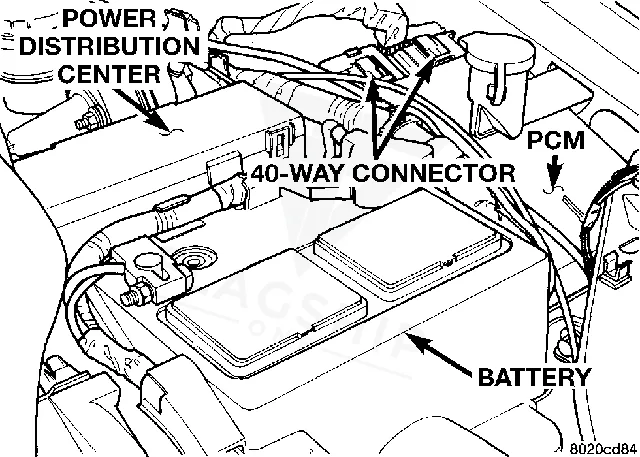
Work with the ignition off, and treat the module as static-sensitive: avoid touching the connector pins at any point.
| Operation | Configuration | Book Time |
|---|---|---|
| Engine Control Module Relearn | Van | 0.5 hr |
| Engine Control Module Relearn | Car | 0.5 hr |
| Engine Control Module R&R | Van | 0.6 hr |
| Engine Control Module R&R | Car | 0.5 hr |
| Powertrain Control Module R&R | Van | 0.6 hr |
| Powertrain Control Module R&R | Car | 0.5 hr |
| Powertrain Control Module Relearn | Van | 0.5 hr |
| Powertrain Control Module Relearn | Car | 0.5 hr |
Once the PCM or ECM is replaced in the Neon, the factory procedure calls for a DRB scan tool to re‑program the new computer with the original VIN and mileage, completing a relearn cycle. This step ensures that the module’s internal maps align with the vehicle’s emissions and performance requirements. Flagship One supplies units that arrive already programmed with the correct VIN and mileage, so the technician can skip the manual entry and proceed directly to verification. a VIN‑programmed replacement unit eliminates the need for the additional DRB programming step, reducing shop time and potential for entry errors.
A failing PCM or ECM in a 1998 Plymouth Neon may present as a complete no‑start condition, where the engine cranks but does not fire, or as intermittent stalling while cruising. Drivers often notice rough idle, misfire codes, or erratic transmission shifting that feels delayed or harsh. Diagnostic trouble codes can appear, such as Powertrain control module performance code, indicating a communication problem within the control network. In some cases, the scan tool may lose connection entirely, suggesting the module is not responding to queries. These symptoms typically worsen under load or when the vehicle is hot, reflecting the computer’s inability to process sensor data correctly.
Service bulletin #18-037-05 describes a flash programming failure recovery method that uses the DRBIII® tool to re‑write the PCM firmware. This bulletin provides step‑by‑step instructions for technicians who encounter a corrupted flash image during an update, ensuring the module can be restored to factory specifications.
| Bulletin | Subject | What It Addresses |
|---|---|---|
| 18-037-05 | 18-037-05 Flash Programming Failure Recovery Using DRBIII® | — |
The replacement involves removing the air intake, disconnecting the battery, and handling delicate wiring. While the mechanical steps are straightforward, the required DRB scan tool programming makes professional assistance advisable.
P0601 signals a performance issue within the powertrain control module, often caused by communication loss or a corrupted firmware image. Reprogramming or replacing the PCM usually resolves the condition.
Yes, the factory process requires the VIN and mileage to be programmed into the new unit. Flagship One units arrive pre‑loaded, eliminating the need for a separate reset.
Labor guides estimate about 0.5 to 0.6 hours for removal and installation, depending on whether the vehicle is a van or a car configuration.
A properly refurbished unit that has been tested and programmed with the correct VIN and mileage should function identically to a new module, provided it passes all factory verification steps.
When your 1998 Plymouth Neon requires PCM or ECM service, you can choose a brand‑new unit, a professionally refurbished replacement, or a Flagship One component that arrives already programmed. Each option meets the vehicle’s specifications, but the pre‑programmed solution saves the extra DRB scan step, reducing labor time and the chance of data entry errors. Consider your budget, the availability of a warranty, and the importance of a quick turnaround when deciding which path to take.
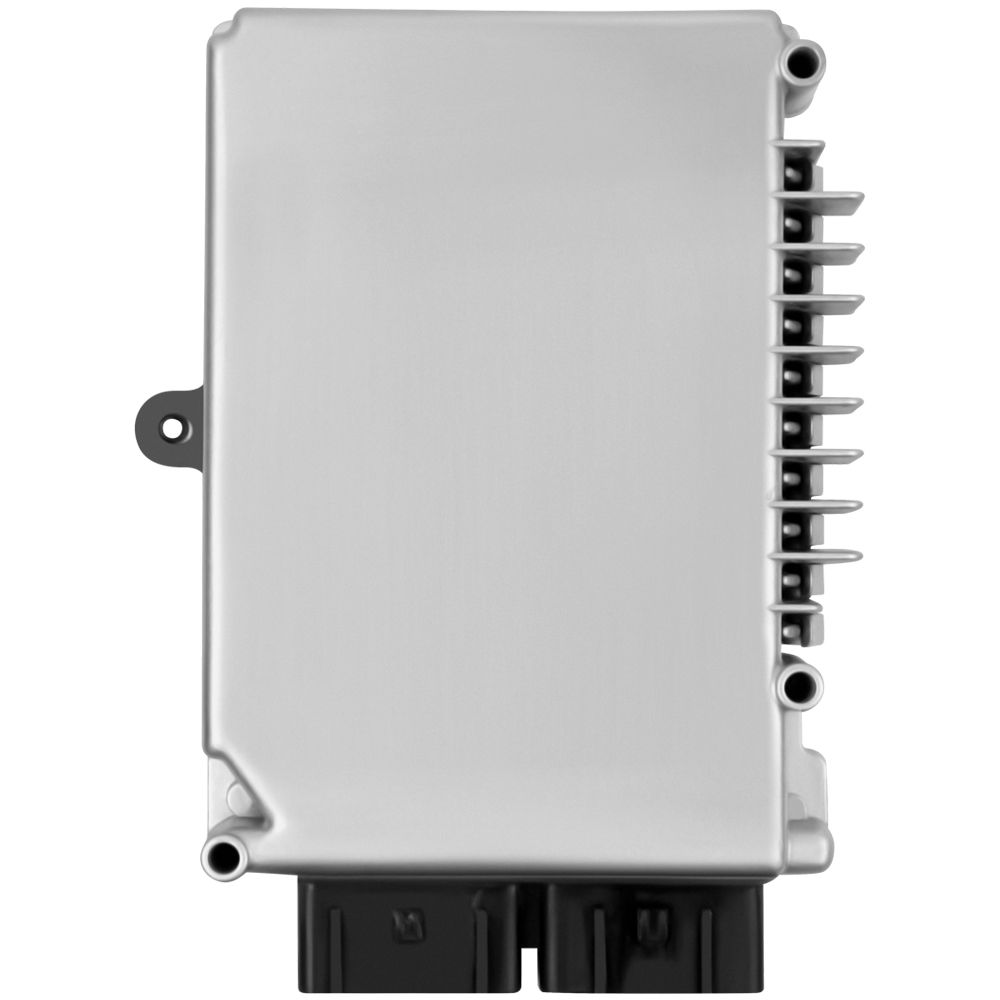
Flagship One stocks a refurbished, VIN-programmed PCM for the 1998 Plymouth Neon with a lifetime warranty, free shipping and no core charge. The full Plymouth Neon module lineup covers other engine configurations as well.
The 1998 Plymouth Neon relies on its PCM and ECM to manage engine and transmission functions, and addressing failures promptly can restore reliable performance. Whether you opt for a new, refurbished, or Flagship One pre‑programmed module, proper installation and verification are essential. Contact a qualified technician to evaluate your Neon’s needs and choose the best solution.