
Last updated on August 25th, 2026 at 12:24 pm
The Powertrain Control Module in the 1996 Plymouth Neon manages fuel delivery, ignition timing, and transmission shift logic. Failure can trigger misfires, poor acceleration, or loss of engine communication.
You’ve probably noticed your 1996 Plymouth Neon hesitating in traffic or refusing to start. Those symptoms can often point to the Powertrain Control Module, the central brain that coordinates fuel, ignition, and shift timing. Understanding how this module works, why it can fail, and what a replacement involves helps you make an informed decision. By the end of this guide you’ll know the key signs of PCM trouble, the precise steps to replace it, and how a pre‑programmed unit from Flagship One can save you time and hassle.
The Powertrain Control Module (PCM) in the 1996 Plymouth Neon interprets sensor data from the engine and transmission, adjusting fuel injection, ignition timing, and shift points to maintain performance and emissions compliance. This module works closely with the Engine Control Module (ECM) to share critical data. When the PCM stops responding or outputs incorrect parameters, the vehicle may misfire, stall, or fail to start. Replacement Powertrain Control Module for 1996 Plymouth Neon is a direct substitute that matches the original PCM’s architecture and electrical interface.
1996 Plymouth Neon
OEM programmed ECM for your 1996 Plymouth Neon — plug & play, no dealer visit.
Free shipping · Lifetime warranty
The PCM sits beneath the steering column, accessible by removing the dashboard trim panel. A technician will disconnect the battery, remove the mounting screws, and lift the module out. Replacement takes roughly 0.5–0.6 hours, depending on whether the vehicle is in a van or car configuration. The new unit is then bolted in, reconnected, and the battery is reattached.
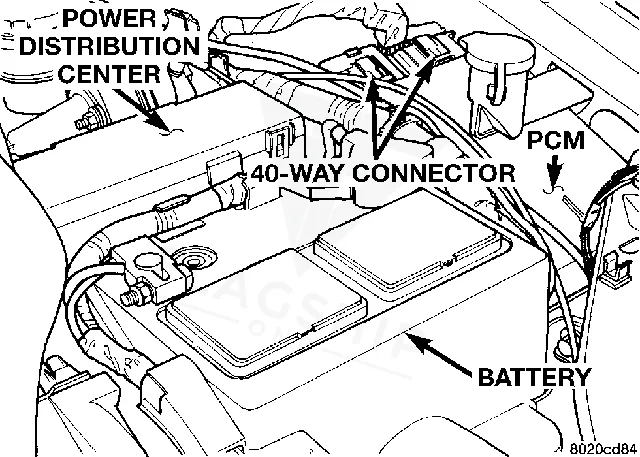
Work with the ignition off, and treat the module as static-sensitive: avoid touching the connector pins at any point.
| Operation | Configuration | Book Time |
|---|---|---|
| Engine Control Module Relearn | Van | 0.5 hr |
| Engine Control Module Relearn | Car | 0.5 hr |
| Engine Control Module R&R | Van | 0.6 hr |
| Engine Control Module R&R | Car | 0.5 hr |
| Powertrain Control Module R&R | Van | 0.6 hr |
| Powertrain Control Module R&R | Car | 0.5 hr |
| Powertrain Control Module Relearn | Van | 0.5 hr |
| Powertrain Control Module Relearn | Car | 0.5 hr |
After installing a new PCM, the factory procedure typically requires a reprogramming step to update powertrain data and calibrate the module for the specific vehicle. Flagship One units arrive VIN‑programmed, so the reprogramming step is already complete. VIN‑programmed replacement unit eliminates the need for an additional programming tool or service bay time.
A failing PCM in the 1996 Plymouth Neon can manifest as a no‑start condition, sudden stalling at idle, inconsistent acceleration, or irregular transmission shifting. The engine may also throw generic codes such as P0601, indicating a malfunctioning control module. Misfire codes, loss of power, or an erratic check‑engine light are common signs that the PCM is no longer delivering accurate control signals.
California Emissions Recall #678 mandates reprogramming of the Powertrain Control Module to correct emissions control logic. Service Bulletin 18‑037‑05 documents a flash programming failure recovery procedure using the DRBIII® tool.
| Bulletin | Subject | What It Addresses |
|---|---|---|
| — | Rc-678-96 California Emissions Recall #678 — Reprogram Powertrain Control Module | — |
| 18-037-05 | 18-037-05 Flash Programming Failure Recovery Using DRBIII® | — |
If the vehicle stalls at idle, fails to start, or shows misfire codes, the PCM may be at fault. A persistent check‑engine light that does not clear after a reset is also a common sign.
A properly installed and programmed PCM restores the engine’s intended performance characteristics. It ensures correct fuel delivery, ignition timing, and shift logic.
VIN‑programmed units are pre‑calibrated for your specific vehicle, eliminating the need for in‑shop reprogramming. This is the recommended approach for most owners.
Typical labor times range from 0.5 to 0.6 hours, depending on whether the vehicle is classified as a van or a car configuration.
Yes, the replacement PCM is designed to comply with the emissions standards applicable to the 1996 Plymouth Neon, including those addressed in recall #678.
When a PCM failure is diagnosed in your 1996 Plymouth Neon, you can choose a full refurbishment of the original module or opt for a new, pre‑programmed unit. Both options restore engine and transmission control, but a new PCM often offers longer reliability and guaranteed compatibility with the vehicle’s electronic architecture.
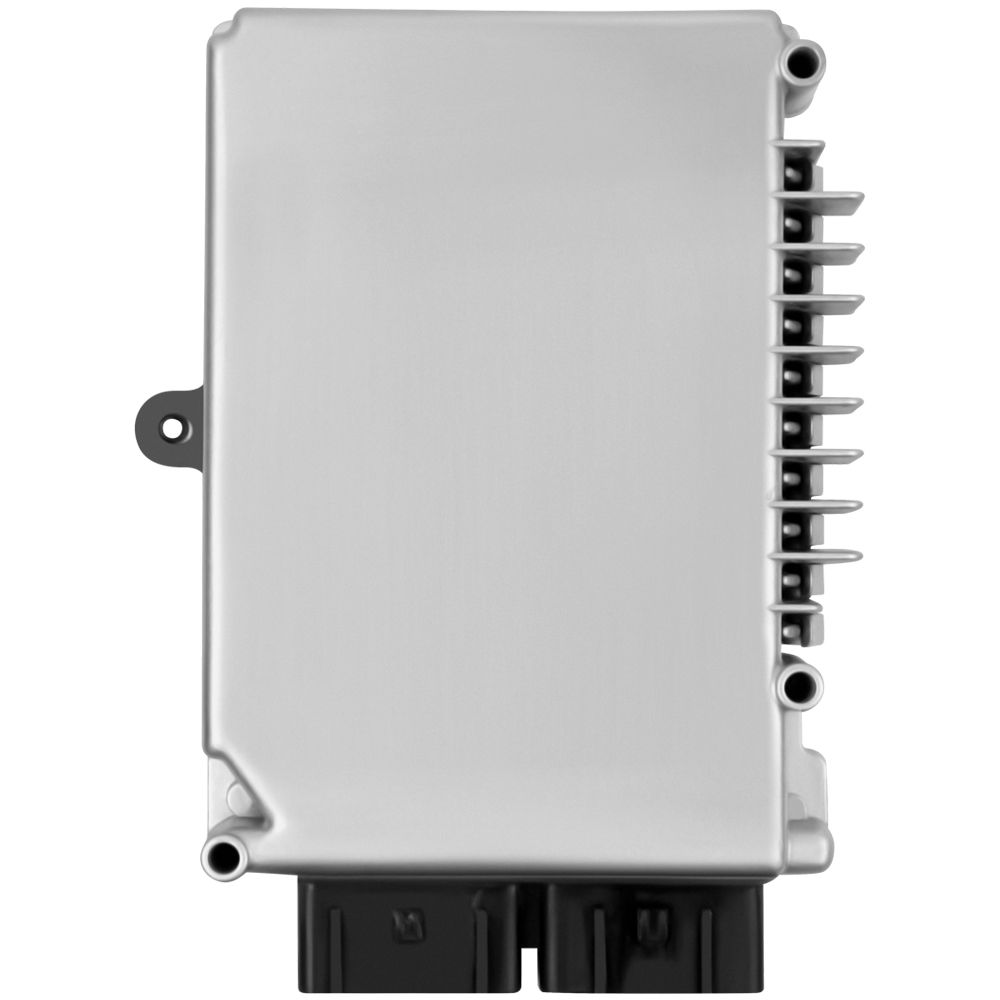
Flagship One stocks a refurbished, VIN-programmed PCM for the 1996 Plymouth Neon with a lifetime warranty, free shipping and no core charge. The full Plymouth Neon module lineup covers other engine configurations as well.
For the 1996 Plymouth Neon, a reliable Powertrain Control Module is essential for smooth operation and emissions compliance. If you encounter symptoms like stalling or misfires, consider a replacement PCM. A VIN‑programmed unit from Flagship One ensures a hassle‑free installation and immediate readiness.