
Last updated on August 25th, 2026 at 12:08 pm
The PCM/ECM in the 1997 Plymouth Voyager manages engine timing, fuel delivery, and transmission shifts. A failure can trigger misfires, stall, or MIL illumination, compromising drivability.
You might notice your 1997 Plymouth Voyager’s check engine light staying on or experiencing unexpected stalls. Those symptoms often point to the vehicle’s Powertrain Control Module (PCM) or Engine Control Module (ECM). This article explains how the PCM/ECM functions within the Voyager, why it is crucial for engine performance, and what steps you can take to diagnose and remedy failures. By understanding the relearn process, replacement labor, and related service bulletins, you’ll be better equipped to keep your Voyager running smoothly.
The PCM/ECM in the 1997 Plymouth Voyager serves as the vehicle’s brain, coordinating fuel injection, ignition timing, and transmission shift points to ensure efficient operation. It also monitors sensors and provides diagnostic trouble codes when faults arise. In this model, the PCM/ECM is tightly integrated with the powertrain, and a failure can lead to loss of power, poor fuel economy, or a persistent check engine light. Replacement Engine Computers for the Plymouth Voyager The module’s health directly affects the vehicle’s ability to maintain proper timing and shift logic, so any malfunction can severely impair drivability.
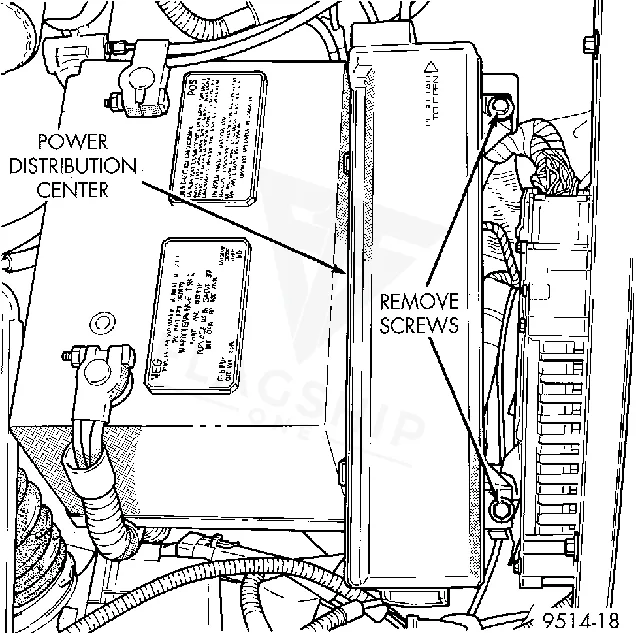
The PCM/ECM is located under the hood near the firewall, accessible by removing a few panels and disconnecting the wiring harness. Replacement involves removing the old unit, installing the new one, and reconnecting the harness. The labor schedule lists 0.6 hours for a replacement or 0.5 hours for a relearn for both Grand Voyager and Voyager variants, reflecting the straightforward nature of the operation.
1997 Plymouth Voyager
OEM programmed ECM for your 1997 Plymouth Voyager — plug & play, no dealer visit.
Free shipping · Lifetime warranty
Work with the ignition off, and treat the module as static-sensitive: avoid touching the connector pins at any point.
| Operation | Configuration | Book Time |
|---|---|---|
| Engine Control Module Relearn | Grand Voyager | 0.5 hr |
| Engine Control Module Relearn | Voyager | 0.5 hr |
| Engine Control Module R&R | Grand Voyager | 0.6 hr |
| Engine Control Module R&R | Voyager | 0.6 hr |
| Powertrain Control Module R&R | Grand Voyager | 0.6 hr |
| Powertrain Control Module R&R | Voyager | 0.6 hr |
| Powertrain Control Module Relearn | Grand Voyager | 0.5 hr |
| Powertrain Control Module Relearn | Voyager | 0.5 hr |
After installing a new PCM/ECM, the factory procedure requires a relearn sequence to reinitialize sensor maps and shift logic. Because Flagship One units arrive VIN‑programmed, the relearn step is already complete, so you can start driving immediately without performing any additional programming steps. a VIN‑programmed replacement unit for the correct application.
Common signs of a PCM/ECM issue in the 1997 Plymouth Voyager include a check engine light that does not turn off, stalling at idle, intermittent misfires, or erratic shifting. You may also see a dead scan‑tool connection or a sudden loss of power. If the vehicle records code Engine Control Module Failure, it indicates a malfunction in the module’s internal logic that can cause the symptoms described above.
The codes below point to the PCM itself rather than to a sensor or circuit it monitors. Each one links through to its full diagnostic guide.
| Code | Meaning | Full Guide |
|---|---|---|
| P0600 | Module-internal fault | Full P0600 guide → |
| P0601 | Internal memory checksum error | Full P0601 guide → |
| P1695 | Module-internal fault | — |
| P1696 | Module-internal fault | — |
| P1697 | Module-internal fault | — |
| P1698 | Module-internal fault | — |
| Bulletin | Subject | What It Addresses |
|---|---|---|
| 18-037-05 | 18-037-05 Flash Programming Failure Recovery Using DRBIII® | — |
| 18-04-97 | 18-04-97 Erroneous MIL Illumination With Hex Code $29, $2a, $2b | — |
After a PCM replacement, perform a relearn procedure. If the light remains, use a scan tool to read any stored codes. Address any listed codes or consider a diagnostic review of sensor wiring.
The PCM is located under the hood and the labor times are modest, but a professional can ensure proper installation, grounding, and relearn. Improper installation can lead to additional faults.
A relearn adjusts the module’s internal maps to match the vehicle’s current configuration. Replacement involves installing a new unit, which comes pre‑programmed in the case of Flagship One products, eliminating the need for relearn steps.
The labor schedule lists 0.6 hours for a replacement, reflecting the relatively quick removal and installation process.
A new PCM can resolve many control‑related issues, but if sensor wiring or mechanical components are faulty, additional repairs may be required.
You now have a clear view of what the PCM/ECM does, how to handle its replacement, and what to watch for during diagnostics. Whether you choose to repair your existing module or opt for a refurbished replacement, understanding the process and the benefits of a pre‑programmed unit can help you make an informed decision for your 1997 Plymouth Voyager.
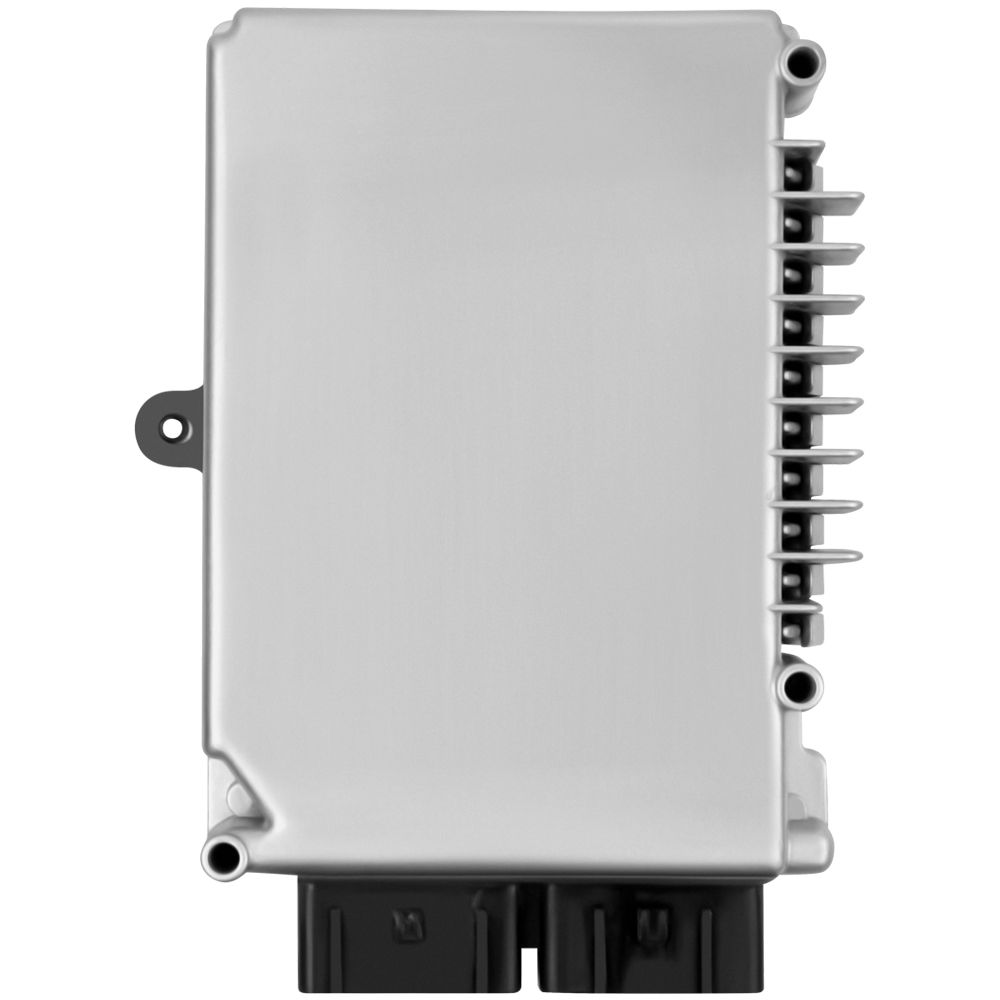
Flagship One stocks a refurbished, VIN-programmed PCM for the 1997 Plymouth Voyager with a lifetime warranty, free shipping and no core charge. The full Plymouth Voyager module lineup covers other engine configurations as well.
The 1997 Plymouth Voyager’s PCM/ECM is essential for engine performance and reliability. By following the steps outlined and staying alert to warning lights, you can keep your vehicle operating smoothly. If you encounter persistent issues, consider a professional inspection or a reliable replacement unit.