
Last updated on August 25th, 2026 at 12:26 pm
The engine control module (ECM) in your 1993 Toyota Celica manages fuel injection, ignition timing, and idle stability. Failure may cause erratic engine behavior, stalling, or a complete no-start condition without warning.
If your 1993 Toyota Celica is running poorly or refusing to start, the engine control module (ECM) may be the culprit. This small but critical computer oversees fuel delivery, ignition timing, and other key functions. When it fails, symptoms can range from subtle drivability issues to a complete breakdown. Understanding how the ECM works, where it’s located, and what replacement involves can help you make an informed decision. This guide covers the essentials—what the module does, how to replace it, and why programming matters—so you can get your Celica back on the road with minimal downtime.
1993 Toyota Celica
OEM programmed ECM for your 1993 Toyota Celica — plug & play, no dealer visit.
Free shipping · Lifetime warranty
In your 1993 Toyota Celica, the engine control module (ECM) acts as the brain of the fuel and ignition systems. It continuously adjusts fuel injection timing and spark delivery based on sensor inputs like throttle position, engine temperature, and airflow. Without a properly functioning ECM, your vehicle may struggle to start, idle roughly, or even stall unexpectedly. Replacing a faulty module with replacement engine computers for the Celica ensures these systems operate as Toyota designed, maintaining drivability and efficiency. The ECM’s role is especially critical in older vehicles, where wear and electrical gremlins can disrupt performance over time.
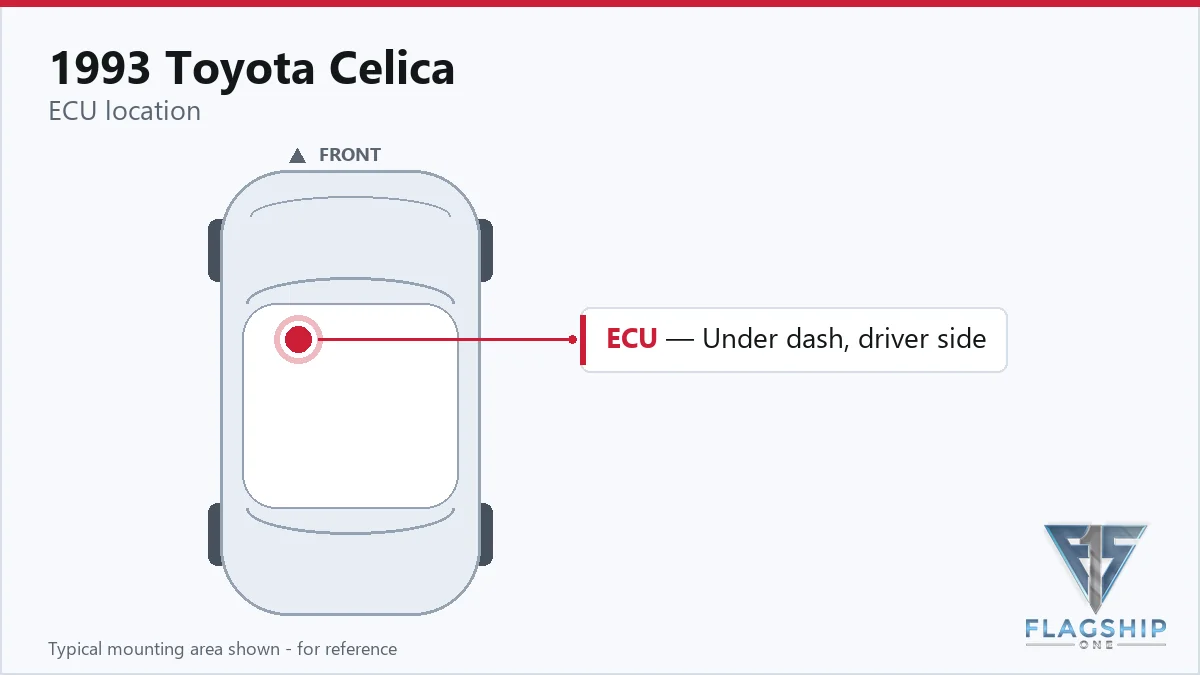
The ECM in your 1993 Toyota Celica is tucked behind the instrument panel, near the center of the dashboard. Accessing it requires removing interior trim panels and possibly the glove box, depending on the exact layout. Replacement typically involves disconnecting the battery, unplugging the wiring harness, and carefully extracting the module from its mount. Labor estimates for this job run about 1.4 hours, as the process demands patience to avoid damaging surrounding components. Once the new unit is installed, the wiring harness is reconnected, and the battery is restored to power the system.
| Operation | Configuration | Book Time |
|---|---|---|
| Powertrain Control Module R&R | All configurations | 1.5 hr |
| Powertrain Control Module Relearn | All configurations | 0.5 hr |
| Engine Control Module Relearn | All configurations | 0.5 hr |
| Engine Control Module R&R | All configurations | 1.4 hr |
After installing a new ECM in your 1993 Toyota Celica, the factory procedure requires a 0.5-hour relearn process to synchronize the module with the engine’s sensors. This step ensures proper fuel delivery, ignition timing, and idle control. However, a VIN-programmed replacement unit from Flagship One arrives ready to install, eliminating the need for this additional step. The module is pre-configured to match your vehicle’s specifications, so you can simply plug it in and drive, saving both time and potential frustration at the shop.
A failing ECM in your 1993 Toyota Celica may cause a variety of symptoms, often without warning. Common signs include intermittent stalling, especially at idle or during deceleration, as well as rough or uneven engine operation. You might also notice the vehicle struggling to start, or the engine cutting out entirely while driving. In some cases, the check engine light may illuminate, though pre-OBD-II vehicles like yours don’t always provide clear fault codes. If you experience internal control module memory checksum error, it’s a strong indicator that the ECM is no longer functioning reliably and may need replacement.
Driving with a faulty ECM is risky, as it may cause sudden stalling or a no-start condition. While the vehicle might run intermittently, performance will likely be unreliable. If you suspect ECM failure, it’s best to address it promptly to avoid being stranded.
Diagnosing an ECM failure often involves ruling out other potential problems, such as faulty sensors, wiring issues, or fuel system malfunctions. A professional scan tool can help identify ECM-related trouble codes, though pre-OBD-II vehicles may require additional testing. If multiple sensors or systems fail simultaneously, the ECM is a likely culprit.
Testing the ECM typically involves checking for proper voltage at the connectors and verifying communication with a scan tool. However, without specialized equipment, it can be difficult to confirm internal module failures. If all other potential issues have been ruled out, replacement is often the most straightforward solution.
If your 1993 Toyota Celica is experiencing ECM-related issues, you have options. A repair shop can attempt to diagnose and reprogram the existing module, though this may not resolve internal failures. Alternatively, a replacement ECM, pre-programmed to your vehicle’s VIN, offers a reliable solution with minimal downtime. Flagship One provides units ready to install, so you can avoid the hassle of post-install programming and get back on the road quickly.
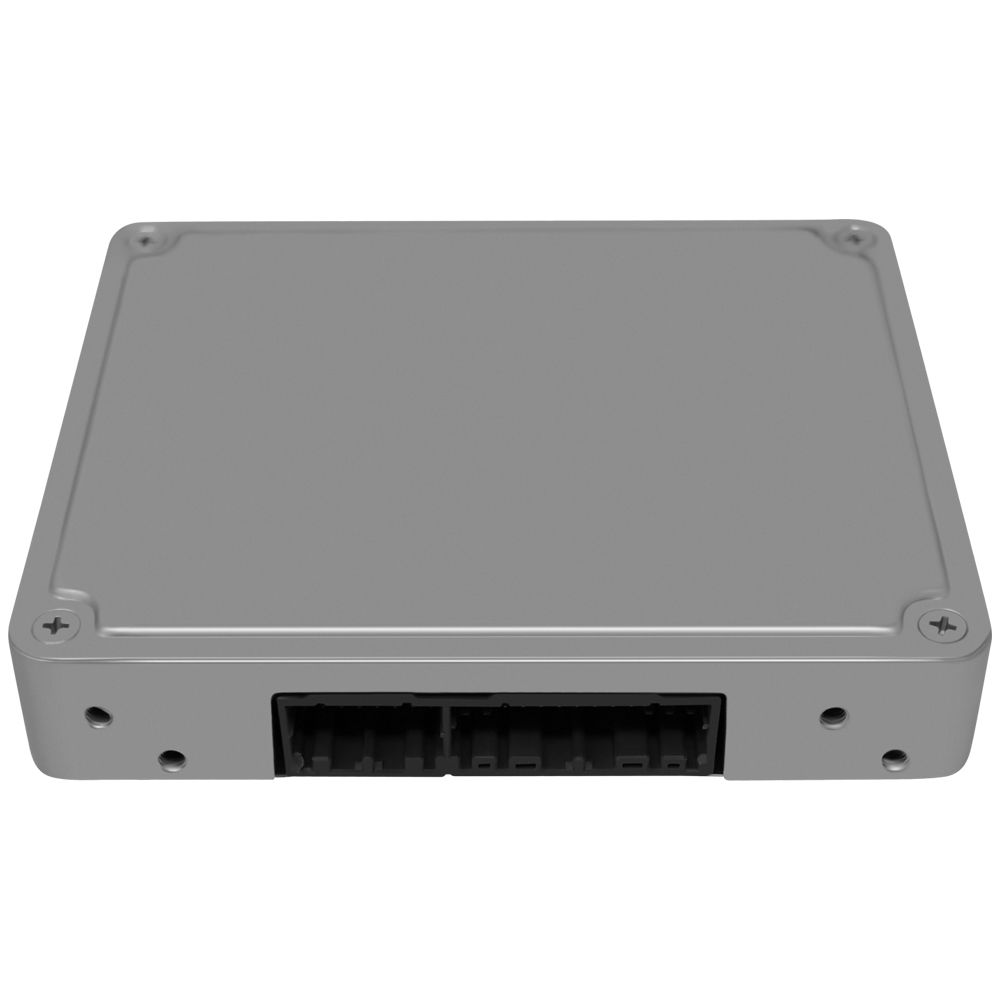
Flagship One stocks a refurbished, VIN-programmed PCM for the 1993 Toyota Celica with a lifetime warranty, free shipping and no core charge. The full Toyota Celica module lineup covers other engine configurations as well.
The engine control module in your 1993 Toyota Celica plays a vital role in keeping your vehicle running smoothly. If you’re dealing with stalling, rough idle, or a no-start condition, the ECM may be to blame. Replacing it with a VIN-programmed unit ensures a seamless installation and restores reliable performance. Whether you tackle the job yourself or leave it to a professional, addressing ECM issues promptly will help keep your Celica dependable for years to come.