
Last updated on August 25th, 2026 at 12:07 pm
The engine control module manages fuel delivery and ignition timing in your 1992 Toyota Supra. When this computer fails, you may experience drivability issues or no-start conditions. Understanding its role helps diagnose electrical faults accurately before replacing major components.
Owning a classic performance car like the 1992 Toyota Supra involves maintaining complex electronic systems that were advanced for their era. You might notice erratic engine behavior or communication losses when the central computer begins to fail. This guide explains what the module does, where technicians access it, and what labor books suggest for replacement work. Understanding these factors helps you plan repairs without unnecessary guesswork. We discuss typical symptoms associated with aging electronics in this specific chassis. You will learn about factory procedures required after swapping hardware. Our goal is providing clear technical context so you can make informed decisions about restoration. Proper diagnosis prevents wasted time on unrelated components. Electronic failures often mimic sensor issues, so knowing the core computer’s role is vital. This overview covers installation expectations and programming needs for your vehicle. Many owners hesitate when facing electrical diagnoses because early nineties systems differ from modern standards. Factory documentation outlines specific steps for removing the unit safely. Labor estimates provide a baseline for shop quotes you might receive. Knowing the location helps verify technician access claims.
1992 Toyota Supra 3.0L
OEM programmed replacements — plug & play, no dealer visit.
Find yours by year, make & model →
Free shipping · Lifetime warranty
This computer regulates ignition timing and fuel injection pulses based on sensor inputs from the 3.0L engine. It processes data regarding airflow and temperature to optimize performance during operation. If the internal circuitry degrades, your vehicle may stall or refuse to start entirely. The system manages idle speed and adjusts for load changes while driving. Maintaining this component ensures the engine runs smoothly under various conditions. When seeking replacements, you should look for replacement ECUs for Supra that match your specific calibration needs. Early electronic systems lack the self-diagnostic depth of newer models, making external testing crucial. Voltage spikes or corrosion can damage the internal processors over time. You rely on this unit for consistent power delivery and throttle response. Failure often manifests as intermittent issues before total loss of function occurs. Technicians verify power and ground circuits before condemning the hardware itself. Proper shielding protects the computer from heat and moisture within the cabin. Understanding its function helps distinguish between sensor faults and main computer failures. The module stores adaptive learning values that affect how the engine idles. Resetting these values may be necessary after hardware installation. Your driving experience depends heavily on the integrity of this central processor. Neglecting electrical health can shorten the lifespan of the new unit.
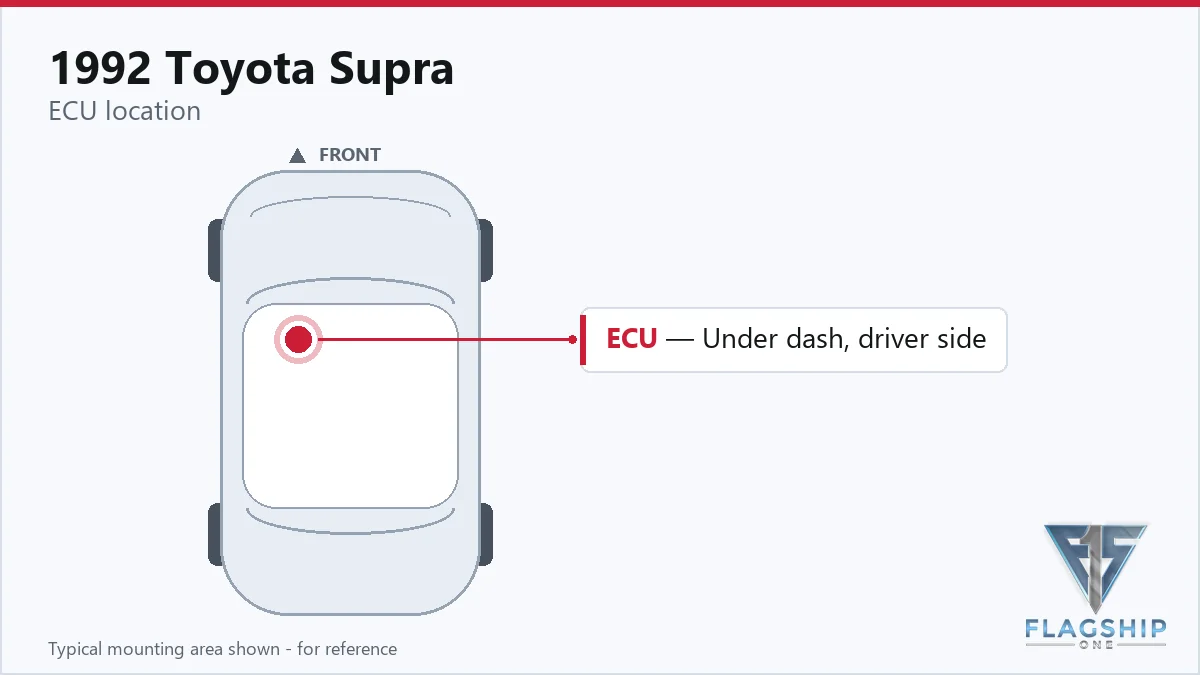
According to factory wiring guides, the engine ECU resides within the instrument panel area. Accessing this location requires removing interior trim pieces to reach the component grid. Labor books list the removal and installation process at 1.4 hours for the engine control module. The same duration applies to the powertrain control module if equipped. Technicians must disconnect the battery before attempting any removal procedures. Careful handling prevents damage to the connector pins during extraction. Reinstallation involves securing the unit back into its designated mount. Book times do not include diagnostic troubleshooting prior to removal. You should expect the physical swap to take roughly one and a half hours. Additional time may be needed for trim removal depending on vehicle condition.
| Operation | Configuration | Book Time |
|---|---|---|
| Engine Control Module Relearn | All configurations | 0.5 hr |
| Engine Control Module R&R | All configurations | 1.4 hr |
| Powertrain Control Module R&R | All configurations | 1.4 hr |
| Powertrain Control Module Relearn | All configurations | 0.5 hr |
Factory procedures indicate that relearning procedures require approximately 0.5 hours after module replacement. This step ensures the computer adapts to your specific engine characteristics properly. Without this calibration, idle quality may suffer during the initial drive cycle. Flagship One units arrive with necessary programming completed beforehand. You receive a VIN-programmed replacement unit ready for immediate installation. This eliminates the need for separate flashing equipment at the shop. The pre-configured software matches your vehicle identification number specifications. Saving time on programming reduces overall labor costs for your repair. Technicians verify communication between the new hardware and existing sensors. Proper setup prevents common post-installation drivability complaints. You avoid delays associated with external programming services. Some shops may charge separately for this initialization step. Confirming the scope of labor quotes helps manage expectations accurately. The core software remains fixed while adaptive tables reset during operation. Your vehicle benefits from reduced setup time during the service visit.
Common failure signs include sudden engine stalling while driving at steady speeds. You might experience a no-start condition where the crank turns but ignition fails. Intermittent misfires often occur without identifiable sensor faults during testing. Scan tools may lose communication with the engine computer unexpectedly. Shifting issues can arise if the transmission relies on ECU data. Electrical gremlins may appear after exposure to moisture or heat. The engine might run rich or lean despite functional oxygen sensors. Power loss during acceleration suggests processing delays within the module. Warning lights may illuminate without storing readable diagnostic trouble codes. Since this is a pre-OBD-II vehicle, standard code readers will not work. Technicians use voltage checks to isolate computer failures from wiring issues. Corrosion on connector pins often mimics internal computer damage. You should inspect harness integrity before replacing the main unit. Persistent issues after sensor replacement point toward the central processor. Rough idling frequently accompanies failing internal voltage regulators. Fuel economy drops noticeably when management calculations become erratic. Hard starting when hot indicates thermal sensitivity in the circuitry. Complete signal loss prevents the fuel pump from priming correctly. These symptoms warrant thorough electrical testing before parts replacement.
Factory documentation places the engine computer within the instrument panel area. Access requires removing interior trim to reach the component grid safely.
Labor guides estimate 1.4 hours for removal and installation of the unit. Additional time is needed for diagnostic testing before the swap occurs.
Flagship One units come VIN-programmed to match your vehicle specifications. A 0.5 hour relearn procedure is still recommended after installation.
No, this model predates the OBDII standard implemented in later years. Technicians use specific voltage tests or manufacturer tools for diagnosis.
Age, heat exposure, and voltage spikes from the charging system often contribute to failure. Corrosion on connectors can also mimic internal computer faults.
You may choose to repair your original unit or install a refurbished replacement depending on budget. Refurbished options often provide a more reliable long-term solution for aging electronics. Consider the labor costs involved when weighing repair against replacement for your 1992 Toyota Supra. Both paths restore functionality if executed by qualified technicians.
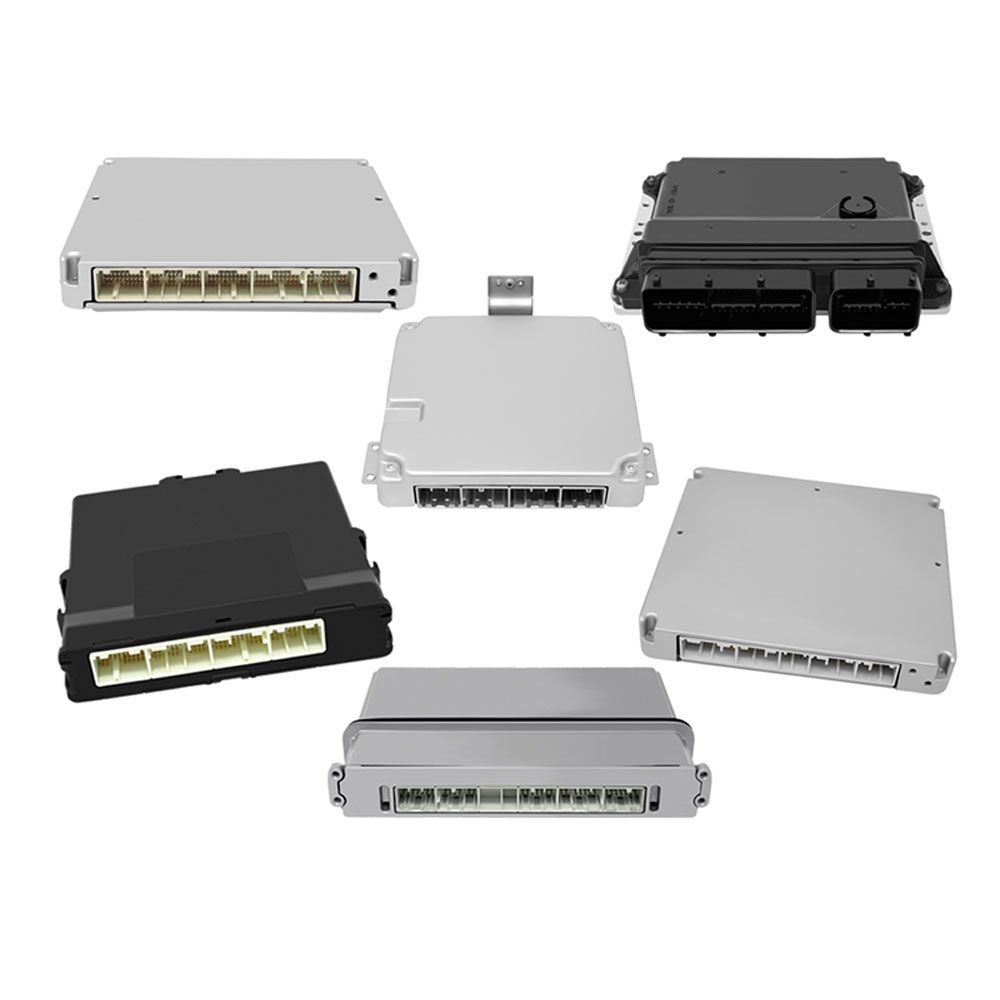
Flagship One stocks a refurbished, VIN-programmed PCM for the 1992 Toyota Supra with a lifetime warranty, free shipping and no core charge. The full Toyota Supra module lineup covers other engine configurations as well.
Restoring your 1992 Toyota Supra requires careful attention to electronic component health. Understanding labor times and location helps you manage the replacement process effectively. Proper programming ensures the engine runs smoothly after installation. Contact our team for specific compatibility questions regarding your vehicle.