
Last updated on August 25th, 2026 at 12:26 pm
The engine control module in your 1991 Toyota Supra manages fuel delivery, ignition timing, and emissions systems. Failure may cause rough idling, stalling, or a complete no-start condition, often without warning.
If your 1991 Toyota Supra suddenly refuses to start or stalls unpredictably, the engine control module may be at fault. This critical component acts as the brain of your vehicle’s engine management system, coordinating fuel injection, ignition timing, and emissions controls. Replacing it involves accessing a hidden location and following precise procedures to ensure proper function. Understanding the process helps you make informed decisions about repairs, whether you’re diagnosing symptoms or considering a replacement unit. This guide covers what the module does, where to find it, and how to restore reliable operation to your Supra.
1991 Toyota Supra
OEM programmed replacements — plug & play, no dealer visit.
Find yours by year, make & model →
Free shipping · Lifetime warranty
In your 1991 Toyota Supra, the engine control module regulates key functions like fuel mixture and spark timing to maintain optimal performance. Without it, the engine may run poorly or fail to start entirely. Over time, heat and electrical stress can degrade its internal components, leading to intermittent or permanent failure. When replacement becomes necessary, you’ll need replacement engine computers for the Supra that match the original specifications. The module’s role is especially critical in high-performance applications, where precise control over engine parameters directly impacts drivability and efficiency.
The engine control module in your 1991 Toyota Supra is mounted behind the instrument panel, requiring removal of the dashboard trim for access. Replacement involves disconnecting the wiring harness, removing the old unit, and installing the new one in its place. Labor time for this procedure is typically 1.4 hours, as the module’s location adds complexity to the process. No specialized tools are required beyond basic hand tools, but care must be taken to avoid damaging surrounding components during removal and installation.
| Operation | Configuration | Book Time |
|---|---|---|
| Engine Control Module Relearn | All configurations | 0.5 hr |
| Engine Control Module R&R | All configurations | 1.4 hr |
| Powertrain Control Module R&R | All configurations | 1.4 hr |
| Powertrain Control Module Relearn | All configurations | 0.5 hr |
After installing a new engine control module in your 1991 Toyota Supra, the factory procedure requires a relearn process to synchronize the unit with the vehicle’s systems. This typically takes 0.5 hours and ensures proper communication between the module and other components. However, a VIN-programmed replacement unit from Flagship One arrives pre-configured, eliminating the need for this additional step. This saves time and reduces the risk of incomplete initialization, allowing your Supra to return to normal operation more quickly.
A failing engine control module in your 1991 Toyota Supra may cause a range of issues, including hard starting, stalling at idle, or sudden loss of power. You might also notice poor fuel economy or erratic engine behavior, such as misfires or hesitation under acceleration. In some cases, the vehicle may fail to communicate with a scan tool, making diagnosis more challenging. If the module’s internal memory is corrupted, it could trigger faults like internal control module memory check sum error, though this vehicle does not support modern OBD-II code retrieval.
Replacement is possible if you’re comfortable working behind the instrument panel. The process involves removing dashboard trim and disconnecting the wiring harness. However, improper handling may damage the new module or surrounding components, so professional installation is often recommended.
Stalling after replacement may indicate an incomplete relearn procedure. The factory process requires 0.5 hours to synchronize the module with the vehicle’s systems. Skipping this step can lead to erratic engine behavior until proper initialization is completed.
Common signs include no-start conditions, stalling, or poor engine performance. Since this vehicle lacks OBD-II diagnostics, symptoms like misfires or fuel delivery issues may point to module failure. A professional scan tool can help confirm communication issues with the unit.
If your 1991 Toyota Supra’s engine control module has failed, you have options for restoration. A repair may address minor issues, but a replacement unit ensures long-term reliability. Given the module’s critical role, choosing a pre-programmed unit can simplify the process and reduce downtime. Consider your vehicle’s needs and your comfort level with installation before deciding on the best approach.
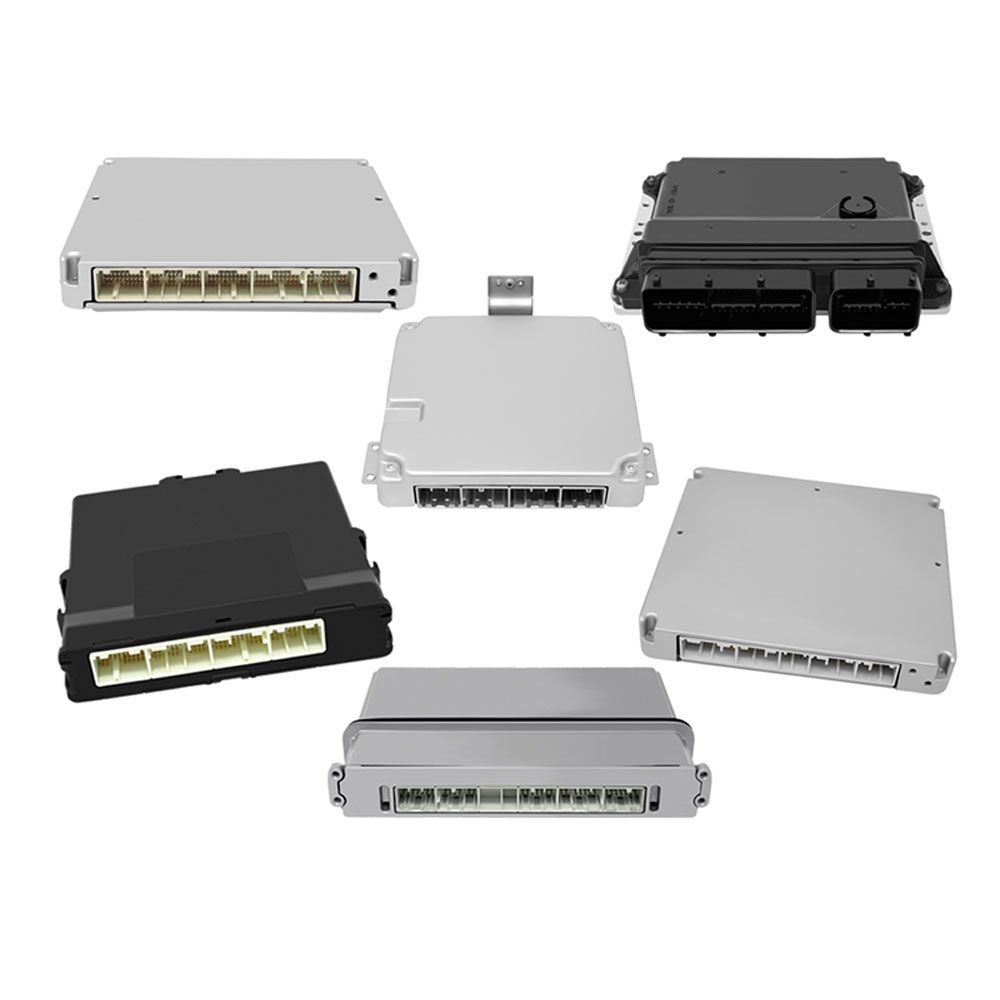
Flagship One stocks a refurbished, VIN-programmed PCM for the 1991 Toyota Supra with a lifetime warranty, free shipping and no core charge. The full Toyota Supra module lineup covers other engine configurations as well.
The engine control module in your 1991 Toyota Supra plays a vital role in maintaining smooth and reliable operation. Whether you’re troubleshooting symptoms or planning a replacement, understanding its function and location helps you make informed decisions. With proper care and timely repairs, your Supra can continue to deliver the performance it was designed for.