
Last updated on August 25th, 2026 at 12:27 pm
The Powertrain Control Module in the 1993 Toyota Corolla 1.6L manages engine timing, fuel delivery, and transmission shifts. When it fails, the vehicle may hesitate, misfire, or fail to start, reducing performance and fuel efficiency.
You may notice your 1993 Toyota Corolla 1.6L struggling to start, stalling during acceleration, or displaying a generic no‑start condition. These symptoms can stem from a faulty Powertrain Control Module. Replacing this module restores the engine’s communication with its control systems, ensuring reliable performance. By following the correct procedure—including the airbag safety pause—you’ll avoid costly damage and return your vehicle to its expected operating state.
The Powertrain Control Module (PCM) is the brain that coordinates the Corolla’s engine and transmission. It interprets sensor data, adjusts fuel and spark timing, and controls shift logic. In the 1993 Toyota Corolla, this module is a critical component for smooth operation. When it malfunctions, the vehicle may experience misfires, hesitation, or a complete loss of driveability. replacement engine computers for the 1993 Toyota Corolla is the typical reference for owners seeking a direct swap.
Engine computer (ECM/PCM)
OEM programmed replacements — plug & play, no dealer visit.
Find yours by year, make & model →
Free shipping · Lifetime warranty
The PCM is mounted inside the instrument panel of the 1993 Toyota Corolla. Removing it requires access to the panel, which can be done within 1.3 hours of labor. Once the old unit is out, the new module is installed in the same location, after which a 0.5‑hour relearn procedure is normally performed. The airbag warning requires a 90‑second pause after the ignition is locked before the battery is disconnected.
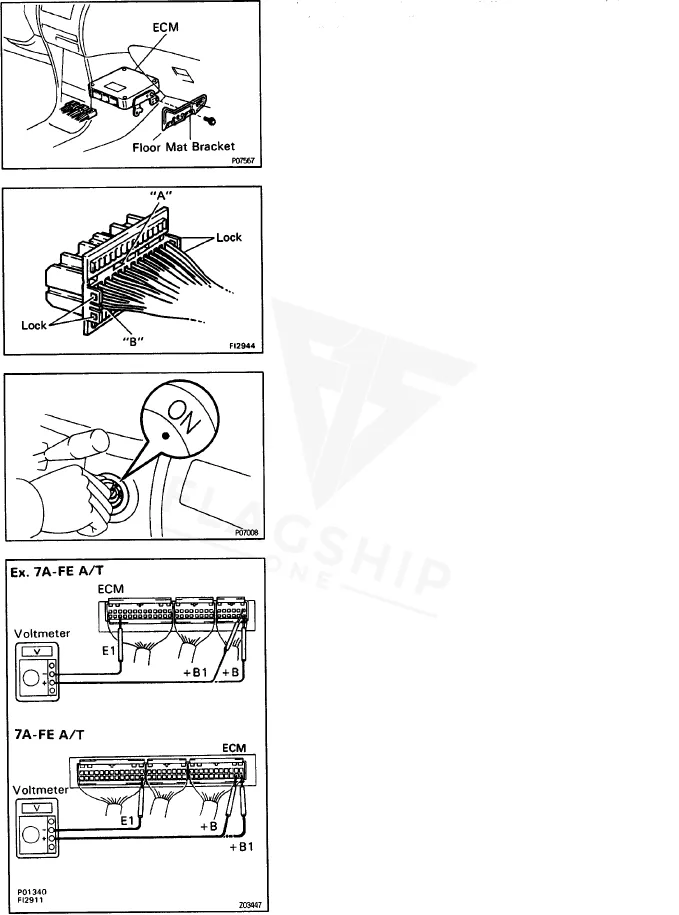
Work with the ignition off, and treat the module as static-sensitive: avoid touching the connector pins at any point.
| Operation | Configuration | Book Time |
|---|---|---|
| Powertrain Control Module R&R | All configurations | 1.3 hr |
| Powertrain Control Module Relearn | All configurations | 0.5 hr |
| Engine Control Module Relearn | All configurations | 0.5 hr |
| Engine Control Module R&R | All configurations | 1.3 hr |
After the new PCM is installed, the factory procedure calls for a relearn of engine and transmission parameters. Because Flagship One units arrive VIN‑programmed, the relearn steps are already completed, and the module will operate with factory settings immediately. a VIN-programmed replacement unit is therefore ready to use without additional programming.
Common signs of a failing PCM on the 1993 Toyota Corolla include a no‑start condition, sudden stalling, rough idle, or a loss of power during acceleration. The module may also trigger a loss of communication with the scan tool, making diagnostic reading impossible. If a fault code such as Powertrain Control Module Failure appears, it confirms the module’s malfunction.
Verify that the new PCM is seated correctly and that all connectors are secure. If the problem persists, run a diagnostic scan to confirm there are no lingering codes. If codes are present, refer to the vehicle’s service manual for the specific relearn procedure.
The PCM is separate from the airbag control module. However, you must still observe the 90‑second wait after the ignition is locked before disconnecting the battery to avoid accidental airbag deployment.
No. Flagship One units are delivered VIN‑programmed, so the relearn process is already completed and the module will function with factory settings immediately after installation.
If your 1993 Toyota Corolla 1.6L shows symptoms of a failing PCM, you have the option of a traditional repair or a refurbished replacement. A refurbished unit from Flagship One offers a cost‑effective solution that includes a VIN‑programmed module, saving you relearn time and ensuring a reliable fit for your specific vehicle.
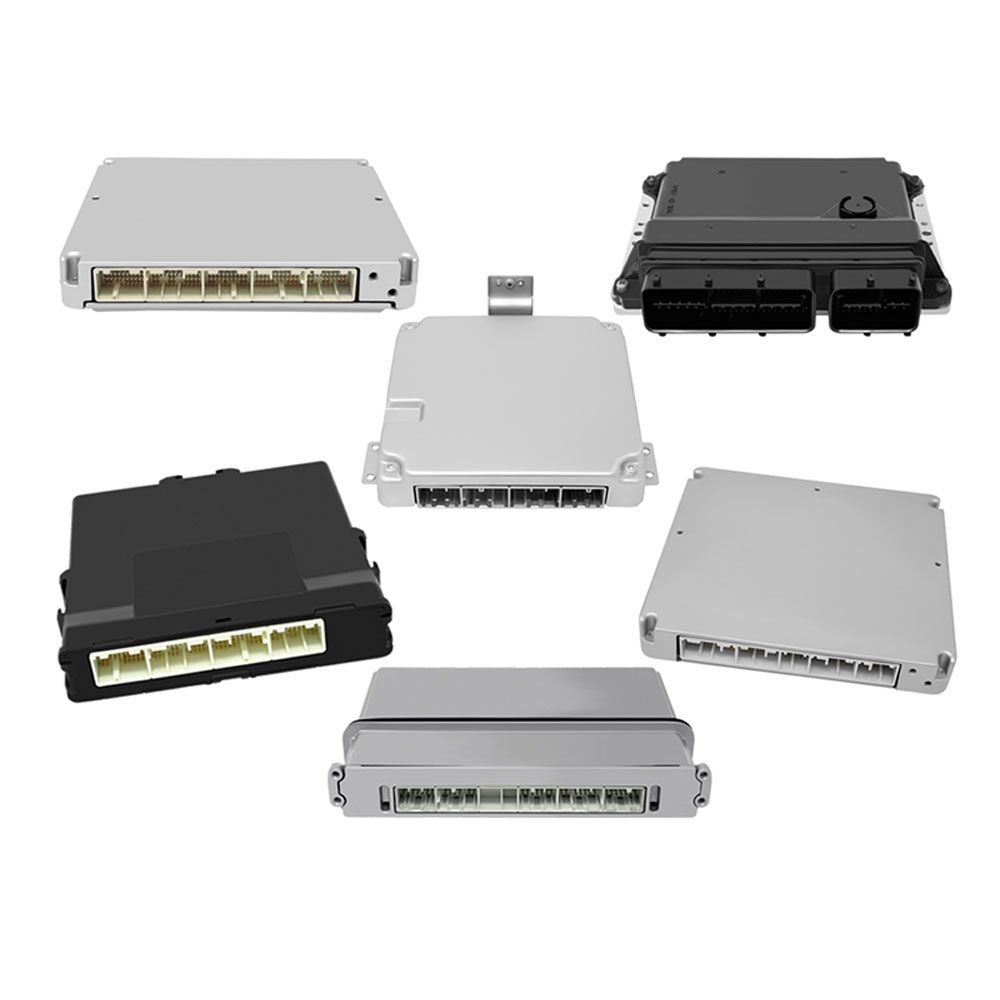
Flagship One stocks a refurbished, VIN-programmed PCM for the 1993 Toyota Corolla with a lifetime warranty, free shipping and no core charge. The full Toyota Corolla module lineup covers other engine configurations as well.
For the 1993 Toyota Corolla 1.6L, replacing the Powertrain Control Module restores essential engine and transmission functions. By following the outlined steps and observing the airbag safety pause, you can confidently return your vehicle to dependable operation.