
Last updated on August 25th, 2026 at 12:27 pm
The powertrain control module (PCM) or engine control module (ECM) in your 2010 Scion tC manages fuel delivery, ignition timing, and emissions systems. Failures may stem from voltage spikes, corrosion, or internal processor faults, leading to drivability issues or complete engine shutdown.
If your 2010 Scion tC is experiencing intermittent stalling, a no-start condition, or unexplained misfires, the powertrain control module (PCM) or engine control module (ECM) may be at fault. This critical component oversees fuel injection, ignition timing, and emissions controls, ensuring smooth operation. When it fails, symptoms can range from subtle performance issues to complete engine shutdown. Understanding the role of this module, the labor involved in replacement, and the steps required afterward can help you make informed decisions about repairs. Whether you’re diagnosing stored trouble codes or preparing for a replacement, knowing what to expect simplifies the process.
In your 2010 Scion tC, the powertrain control module (PCM) or engine control module (ECM) acts as the brain of the engine, processing data from sensors to optimize performance. It regulates fuel delivery, ignition timing, and emissions systems, ensuring the engine runs efficiently under all conditions. A failure in this module can disrupt these functions, leading to poor drivability or even a no-start scenario. If replacement becomes necessary, you’ll need replacement engine computers for the Scion tC that are compatible with your vehicle’s specifications. The module’s location and programming requirements make it a critical component to address promptly when issues arise.
2010 Scion tC
OEM programmed ECM for your 2010 Scion tC — plug & play, no dealer visit.
Free shipping · Lifetime warranty
The PCM/ECM in the 2010 Scion tC is typically mounted near the engine bay, often behind a protective cover or near the firewall. Replacing it involves disconnecting the battery, removing the electrical connectors, and unbolting the module from its mounting bracket. The labor time for removal and reinstallation is usually 0.4 hours, according to standard repair manuals. After installation, the module may require a relearn procedure, which can add another 0.5 hours to the process. Proper torque on mounting bolts and secure connector attachment are essential to avoid future issues.
| Operation | Configuration | Book Time |
|---|---|---|
| Powertrain Control Module R&R | All configurations | 0.4 hr |
| Powertrain Control Module Relearn | All configurations | 0.5 hr |
| Engine Control Module Relearn | All configurations | 0.5 hr |
| Engine Control Module R&R | All configurations | 0.4 hr |
After replacing the PCM/ECM in your 2010 Scion tC, the factory procedure typically requires a relearn process to synchronize the module with the vehicle’s systems. This step, which may take 0.5 hours, ensures proper communication between the module and the engine’s sensors. However, if you opt for a VIN-programmed replacement unit, this step is already completed, saving you time and potential hassle. The pre-programmed module arrives ready to install, eliminating the need for additional software updates or calibration at the shop.
When the PCM/ECM in your 2010 Scion tC begins to fail, you may notice symptoms like intermittent stalling, rough idling, or a no-start condition. The vehicle might also exhibit poor acceleration or fuel efficiency, as the module struggles to regulate engine functions. In some cases, the check engine light will illuminate, and a scan tool may reveal module-internal codes such as an internal processor fault. Dead communication with a scan tool is another red flag, indicating the module is no longer responding to diagnostic requests. Addressing these symptoms early can prevent further drivability issues.
The 2010 Scion tC may store specific trouble codes when the PCM/ECM experiences internal faults. These codes help pinpoint the issue and guide repairs.
| Code | Meaning | Full Guide |
|---|---|---|
| P0606 | Module processor failure | Full P0606 guide → |
| P0607 | Module performance fault | Full P0607 guide → |
Scion issued a service bulletin (S-SB-0003-10) covering the 2004–2011 model years, detailing the procedure for reprogramming the PCM/ECM using the Techstream diagnostic tool. This bulletin outlines the steps required to update the module’s software, which may be necessary after replacement or when addressing certain drivability issues. Following the factory-recommended procedure ensures the module operates correctly with the vehicle’s systems.
| Bulletin | Subject | What It Addresses |
|---|---|---|
| — | 04-11 Applicable Scion Vehicles: Techstream ECU Flash Reprogramming Procedure | — |
Common signs include stalling, a no-start condition, or the check engine light illuminating with module-related codes. Dead communication with a scan tool is another indicator. If these symptoms appear, a diagnostic scan can confirm whether the module is at fault.
While the physical replacement is straightforward, the module often requires a relearn procedure afterward. If you’re not comfortable with diagnostic tools or programming, it’s best to have a professional handle the installation and calibration.
The relearn procedure ensures the new module synchronizes with the vehicle’s sensors and systems. Without it, the engine may run poorly or fail to start. This step is typically required unless the replacement module is pre-programmed to your vehicle’s VIN.
If your 2010 Scion tC is showing signs of PCM/ECM failure, you have options for replacement. A new or refurbished module can restore proper engine function, but programming is often required afterward. Choosing a pre-programmed unit simplifies the process, allowing for a quicker installation without additional shop time for software updates.
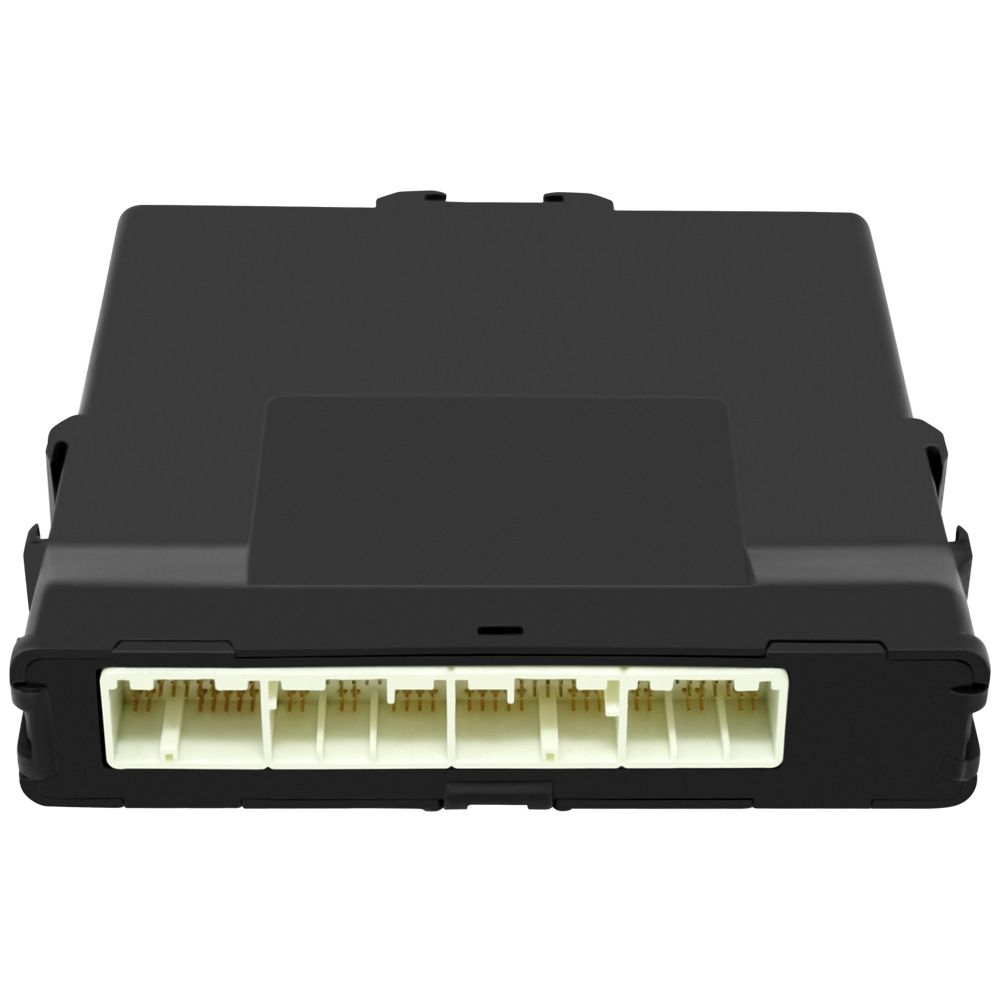
Flagship One stocks a refurbished, VIN-programmed PCM for the 2010 Scion tC with a lifetime warranty, free shipping and no core charge. The full Scion tC module lineup covers other engine configurations as well.
The PCM/ECM in your 2010 Scion tC plays a vital role in engine performance and drivability. If you’re experiencing symptoms like stalling or a no-start condition, addressing the module promptly can prevent further issues. Whether you opt for a factory replacement or a pre-programmed unit, understanding the process ensures a smoother repair experience.