
Last updated on August 25th, 2026 at 11:45 am
The engine control module (ECM) in the 2011 Scion tC manages fuel delivery, ignition timing, and emissions for the 2.5L engine. When it fails, you may face a no-start condition, erratic idle, or a stored P0606 trouble code indicating an internal processor fault.
When your 2011 Scion tC with the 2.5L engine exhibits a no-start, stalling, or an illuminated check engine light, the powertrain control module (PCM) or engine control module (ECM) could be the culprit. These computers orchestrate critical engine functions, and a failure can leave you stranded. This guide explains the role of the ECM/PCM in your Scion, how to recognize symptoms of a failing unit, and what the replacement process involves. You’ll learn about the factory-required programming steps, the significance of trouble code P0606, and the essential battery-disconnect precaution. We also cover the labor times for module removal and relearning, so you can anticipate the work involved. With the right information, you can avoid unnecessary diagnostic fees and ensure a smooth repair process. By understanding these details, you can make an informed decision about repairing or replacing your vehicle’s control module and get back on the road with confidence.
The engine control module (ECM) in your 2011 Scion tC is the primary computer that governs the 2.5L engine’s operation. It processes data from sensors monitoring air intake, coolant temperature, throttle position, and exhaust oxygen content to adjust fuel injection and ignition timing in real time. The ECM also communicates with the transmission control module and body electronics to ensure seamless operation. When the ECM malfunctions, the engine may run poorly or not start at all. A common fault code is P0606, which indicates an internal processor error. Without a functioning ECM, the engine cannot interpret sensor inputs, leading to a no-start or limp-mode condition. For owners facing a failed unit, replacement ECMs for the 2011 Scion tC are available that come pre-programmed with your vehicle’s VIN and immobilizer data, eliminating the need for dealer-level programming. This module is sometimes referred to interchangeably as the PCM, and its reliability is essential for everyday drivability.
2011 Scion tC 2.5L
OEM programmed ECM for your 2011 Scion tC 2.5L — plug & play, no dealer visit.
Free shipping · Lifetime warranty
The engine control module on the 2011 Scion tC is typically located behind the glove box or near the center console, though exact placement can vary. Accessing the module for replacement involves removing interior trim panels. According to standard labor guides, the removal and installation of the powertrain control module (PCM) is estimated at 0.7 hours. Similarly, the engine control module (ECM) replacement also carries a 0.7-hour labor time. After installation, a relearn procedure is necessary, which adds 0.5 hours for the PCM and 0.5 hours for the ECM. These procedures allow the module to adapt to the vehicle’s sensors and actuators. The replacement process involves disconnecting the battery, removing the old module, and securing the new one in its place. After reconnecting the battery, certain vehicle systems may require initialization, as noted in the factory service information. Always wait at least 90 seconds after disconnecting the negative battery cable to disable the SRS system before beginning any work.
| Operation | Configuration | Book Time |
|---|---|---|
| Powertrain Control Module R&R | All configurations | 0.7 hr |
| Powertrain Control Module Relearn | All configurations | 0.5 hr |
| Engine Control Module Relearn | All configurations | 0.5 hr |
| Engine Control Module R&R | All configurations | 0.7 hr |
After installing a replacement ECM or PCM in your 2011 Scion tC, the factory procedure requires a relearn process to synchronize the module with the vehicle’s immobilizer system and engine sensors. This typically involves using a professional scan tool to perform a security handshake and an idle learn procedure. The labor guide allocates 0.5 hours for this step. The factory procedure may also require initialization of the throttle body and other systems after battery reconnection. However, when you order a pre-programmed ECM for your Scion tC from Flagship One, the unit arrives with your VIN and immobilizer data already flashed. This means the module is plug-and-play, and the separate relearn step is often unnecessary, saving you time and a potential trip to the dealer. Because the module is pre-configured to your specific vehicle, it can recognize the security system immediately, allowing the engine to start and run without additional programming.
A failing ECM or PCM in the 2011 Scion tC often produces a range of drivability issues. You may notice the engine cranking but not starting, intermittent stalling, or a sudden loss of power while driving. The check engine light may illuminate, and a scan tool can reveal an internal control module processor fault. Other symptoms include poor fuel economy, rough idling, or the transmission failing to shift correctly, as the ECM communicates with the transmission control module. In some cases, the vehicle may enter a fail-safe mode, limiting speed and performance. You might also notice that the tC’s immobilizer system prevents the engine from cranking, or the security light may flash continuously. Because the ECM controls the fuel pump and ignition coils, a faulty module can lead to a crank-no-start situation where spark and fuel are absent. In some cases, the module may fail intermittently, causing the engine to die and then restart after cooling down. Over time, heat and vibration can degrade the internal circuitry, leading to a permanent failure. When a P0606 code is stored, it indicates that the module’s processor has encountered an unrecoverable error, and replacement is often the only reliable solution.
The following diagnostic trouble code is commonly associated with internal failures of the engine control module in the 2011 Scion tC. When this code appears, it often points to a problem within the module itself rather than an external sensor or circuit. Addressing it promptly can prevent further drivability issues.
| Code | Meaning | Full Guide |
|---|---|---|
| P0606 | Module processor failure | Full P0606 guide → |
The most frequent indicators include a no-start condition, stalling, and a stored P0606 code. You may also experience poor engine performance, erratic shifting, or a lack of communication with a scan tool. Because these symptoms can overlap with other issues, a professional diagnosis is recommended to confirm the module is at fault.
The physical replacement is straightforward and can be done by a skilled DIYer, as the module is accessible and the labor time is only 0.7 hours. However, the factory relearn procedure typically requires a professional scan tool. Choosing a pre-programmed unit eliminates the need for dealer programming, making the job much simpler.
The factory service information specifies waiting at least 90 seconds after disconnecting the negative battery cable to fully disable the supplemental restraint system (SRS). This precaution prevents accidental airbag deployment while you work near the module or wiring. Always follow this step for safety.
When your 2011 Scion tC’s ECM fails, you have two main paths: repair the existing module or install a replacement. Repair services can be cost-effective but may not address underlying hardware degradation. A refurbished, pre-programmed replacement offers a like-new solution with updated components and comes ready to install, often without additional programming. This approach can save you the expense and downtime of a dealership visit while restoring your vehicle’s reliability.
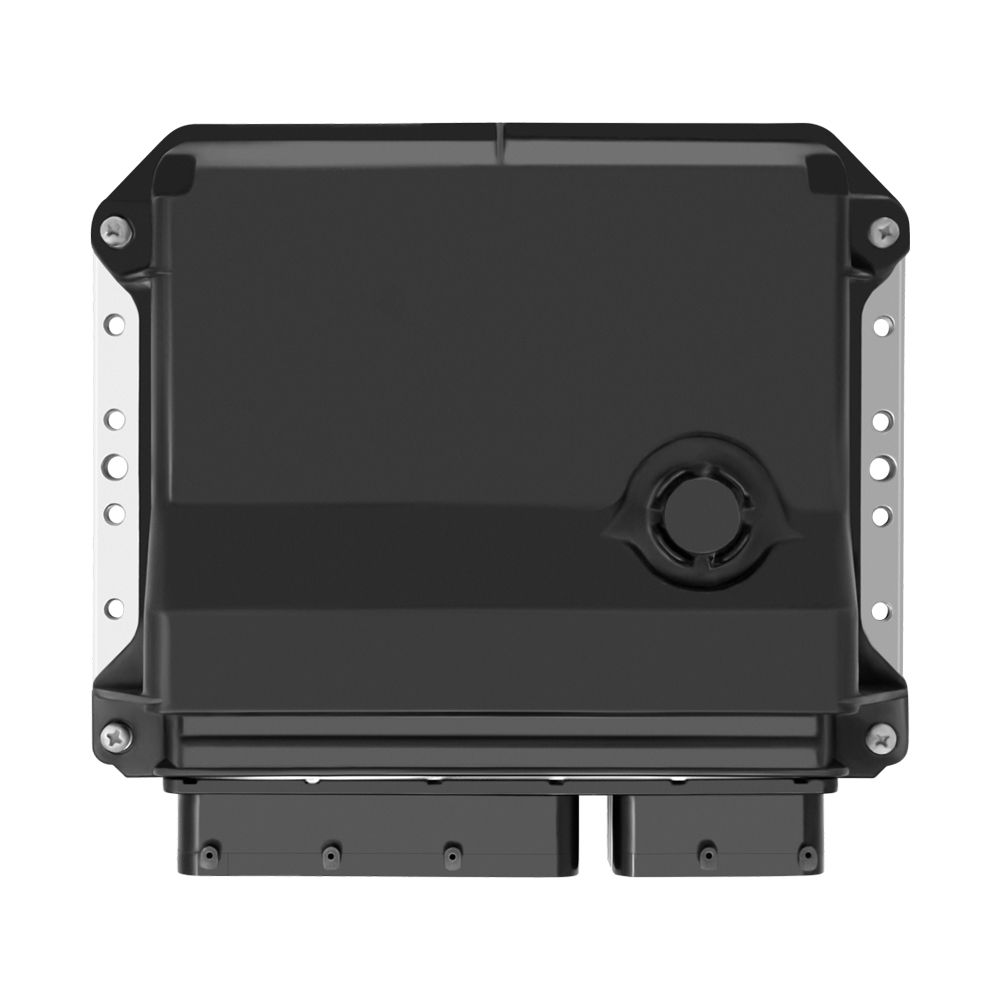
Flagship One stocks a refurbished, VIN-programmed PCM for the 2011 Scion tC with a lifetime warranty, free shipping and no core charge. The full Scion tC module lineup covers other engine configurations as well.
Addressing a faulty ECM in your 2011 Scion tC doesn’t have to be overwhelming. With a clear understanding of the symptoms, replacement steps, and programming requirements, you can choose the best solution for your situation. Whether you tackle the job yourself or seek professional help, a quality replacement module can get your Scion back to dependable performance. Explore your options and take the next step toward a smooth-running engine.