
Last updated on August 25th, 2026 at 12:43 pm
The Powertrain Control Module (PCM) in your 2001 Lincoln Continental acts as the vehicle’s central computer, managing engine performance and transmission behavior. When it fails, you may experience erratic idling, poor fuel economy, or complete engine shutdowns.
If your 2001 Lincoln Continental has been stalling at stoplights, refusing to start, or shifting erratically, the Powertrain Control Module (PCM) may be the culprit. This critical component serves as the brain of your vehicle, coordinating engine and transmission operations to ensure smooth performance. Over time, heat, vibration, and electrical fluctuations can degrade its internal circuits, leading to intermittent or permanent failures. Replacing the PCM isn’t just about swapping a part—it involves precise installation and, in most cases, a factory relearn procedure to synchronize the new module with your vehicle’s systems. Understanding the role of the PCM, recognizing failure symptoms, and knowing the labor involved can help you make an informed decision. Whether you’re diagnosing a persistent issue or preparing for a repair, this guide covers what you need to know about PCM replacement in your 2001 Lincoln Continental, including how a pre-programmed unit can simplify the process.
2001 Lincoln Continental
OEM programmed ECM for your 2001 Lincoln Continental — plug & play, no dealer visit.
Free shipping · Lifetime warranty
The Powertrain Control Module (PCM) in your 2001 Lincoln Continental is responsible for managing the engine’s fuel injection, ignition timing, and emissions systems, while also controlling the automatic transmission’s shift points. This dual role makes it one of the most critical electronic components in your vehicle. The PCM constantly monitors data from sensors throughout the engine and transmission, adjusting parameters in real time to optimize performance, fuel efficiency, and emissions compliance. When the module fails, it can disrupt these processes, leading to symptoms like rough idling, poor acceleration, or even a complete inability to start. Because the PCM is specific to your vehicle’s engine and transmission configuration, replacing it requires a unit that matches your Lincoln’s exact specifications. replacement powertrain computers for the Continental are designed to integrate seamlessly with your vehicle’s systems, but proper installation and programming are essential to restore full functionality. Without a functioning PCM, your vehicle may run poorly or not at all, making timely replacement a priority if failure is suspected.
In the 2001 Lincoln Continental, the Powertrain Control Module (PCM) is located in the engine compartment, typically mounted on the passenger-side fender well or firewall. Accessing it requires removing a protective cover or panel, which may involve unbolting a few fasteners. Once exposed, the PCM is secured with a mounting bracket and connected to the vehicle’s wiring harness via a multi-pin connector. Replacement involves disconnecting the battery, unplugging the wiring harness, removing the mounting hardware, and installing the new module in reverse order. The labor time for PCM removal and reinstallation is typically 0.6 hours, according to factory service manuals. While the physical replacement is straightforward, proper handling is important—avoid touching the circuit board or pins to prevent static damage, and ensure the connector is fully seated to avoid electrical issues.
Work with the ignition off, and treat the module as static-sensitive: avoid touching the connector pins at any point.
| Operation | Configuration | Book Time |
|---|---|---|
| Engine Control Module R&R | All configurations | 0.6 hr |
| Powertrain Control Module Relearn | All configurations | 0.5 hr |
| Powertrain Control Module R&R | All configurations | 0.6 hr |
After installing a new Powertrain Control Module (PCM) in your 2001 Lincoln Continental, the factory procedure requires a relearn process to synchronize the module with your vehicle’s systems. This typically involves using a scan tool to reset adaptive values, clear stored codes, and recalibrate the engine and transmission parameters. The relearn procedure can add 0.5 hours of labor if performed at a dealership or repair shop. However, a VIN-programmed replacement unit arrives pre-configured with your vehicle’s specific data, eliminating the need for this additional step. This not only saves time but also reduces the risk of incomplete synchronization, which can lead to drivability issues. While some aftermarket tools claim to perform the relearn procedure, using a pre-programmed module ensures compatibility and avoids potential complications during the process.
When the Powertrain Control Module (PCM) in your 2001 Lincoln Continental begins to fail, you may notice a range of symptoms that can vary in severity. One of the most common signs is a no-start condition, where the engine cranks but refuses to fire, often due to incorrect fuel or spark signals from the PCM. Stalling at idle or during deceleration is another frequent issue, as the module struggles to maintain stable engine operation. You might also experience erratic shifting from the automatic transmission, such as harsh or delayed gear changes, because the PCM controls shift timing and pressure. Poor fuel economy and rough idling can occur if the PCM fails to adjust fuel delivery or ignition timing properly. In some cases, the check engine light will illuminate, and a scan tool may reveal codes like internal control module memory check sum error, indicating a fault within the PCM itself. Other symptoms include intermittent loss of power, misfires, or even a complete lack of communication with a scan tool, which can make diagnosis more challenging. If you experience any of these issues, it’s worth investigating the PCM as a potential cause, especially if other common culprits like sensors or wiring have been ruled out.
A failing PCM often produces multiple symptoms at once, such as stalling, no-start conditions, and transmission shifting problems. If replacing sensors doesn’t resolve the issue or if a scan tool shows internal PCM codes like P0601, the module itself may be at fault. Testing voltage and ground signals at the PCM connector can also help confirm its condition.
Driving with a failing PCM is risky, as it can lead to sudden stalling, loss of power, or even a no-start condition. In some cases, the vehicle may enter a limp mode, severely limiting performance. If you suspect PCM issues, it’s best to address them promptly to avoid being stranded.
The PCM stores adaptive values based on your vehicle’s specific engine and transmission characteristics. After replacement, the new module must relearn these values to ensure proper operation. This process typically involves driving the vehicle under specific conditions or using a scan tool to reset and recalibrate the system.
Yes, you can perform basic tests by checking for proper voltage and ground signals at the PCM connector. A scan tool can also reveal internal PCM codes or communication errors. However, if the module is intermittently failing, testing may not always catch the issue, and replacement may be necessary to confirm the diagnosis.
A used PCM may work temporarily, but it could have underlying issues or incompatible adaptive values. Additionally, it will require reprogramming to match your vehicle’s VIN, which can be time-consuming and may not fully resolve drivability problems. A new or remanufactured unit is often a more reliable choice.
If your 2001 Lincoln Continental is experiencing PCM-related issues, you have options for replacement. A new or remanufactured module ensures reliability and compatibility, while a pre-programmed unit saves time by eliminating the need for dealer reprogramming. Given the labor involved in installation and relearn procedures, choosing a unit that’s ready to install can streamline the repair process and get your vehicle back on the road faster.
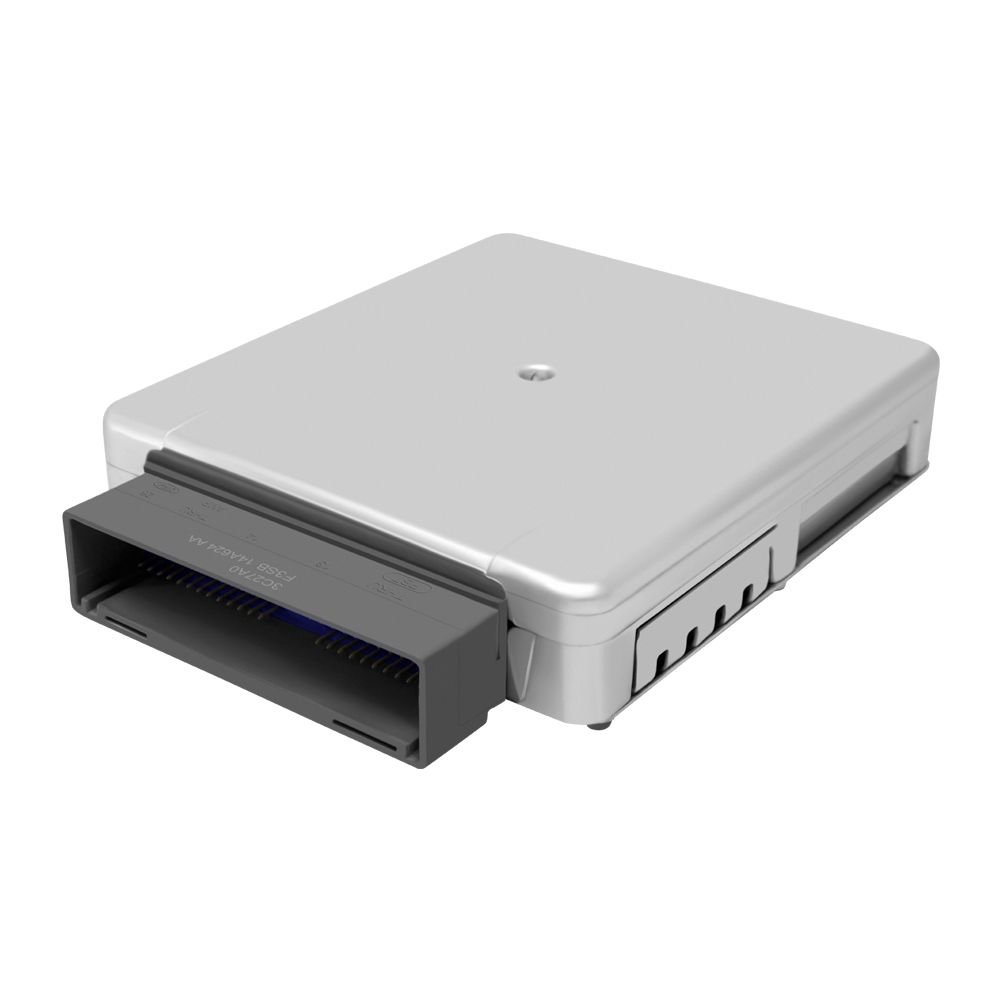
Flagship One stocks a refurbished, VIN-programmed PCM for the 2001 Lincoln Continental with a lifetime warranty, free shipping and no core charge. The full Lincoln Continental module lineup covers other engine configurations as well.
The Powertrain Control Module plays a vital role in your 2001 Lincoln Continental’s performance, and recognizing the signs of failure can help you address issues before they leave you stranded. Whether you opt for a new, remanufactured, or pre-programmed replacement, understanding the installation process and potential symptoms ensures a smoother repair experience. If you’re dealing with stalling, no-start conditions, or shifting problems, consider the PCM as a likely culprit and take action to restore your vehicle’s reliability.