2000 Lincoln Continental 4.6L: Understanding and Replacing the Powertrain Control Module
The Powertrain Control Module (PCM) in the 2000 Lincoln Continental manages engine performance and transmission behavior. When it fails, you may experience erratic idling, poor acceleration, or complete no-start conditions due to disrupted fuel, spark, or shift timing signals.
Quick Summary
- The PCM controls critical engine and transmission functions in the 2000 Lincoln Continental.
- Replacement typically requires 0.6 hours of labor for removal and installation.
- A relearn procedure, taking 0.5 hours, is often needed after installation.
- Symptoms of failure may include stalling, misfires, or communication errors with diagnostic tools.
- Pre-programmed replacement units eliminate the need for post-installation programming.
If your 2000 Lincoln Continental has started running rough, stalling unexpectedly, or refusing to start altogether, the Powertrain Control Module (PCM) could be the culprit. This small but critical computer oversees everything from fuel delivery to transmission shifts, and when it malfunctions, your vehicle’s performance suffers. Replacing the PCM isn’t just about swapping a part—it involves precise labor steps and, in most cases, a factory-mandated relearn procedure to ensure everything syncs correctly. Understanding the role of the PCM, how to spot failure symptoms, and what the replacement process entails can save you time and frustration. Whether you’re diagnosing an intermittent issue or preparing for a repair, knowing these details helps you make informed decisions about your vehicle’s health and reliability.
What the PCM Does in a 2000 Lincoln Continental
In the 2000 Lincoln Continental, the Powertrain Control Module (PCM) acts as the brain of the engine and transmission systems. It continuously monitors data from sensors throughout the vehicle, adjusting fuel injection, ignition timing, and shift points to optimize performance and efficiency. Without a properly functioning PCM, your Continental may struggle with poor acceleration, rough idling, or even fail to start. The module also plays a key role in emissions control, ensuring the vehicle meets regulatory standards. When it begins to fail, you might notice symptoms like hesitation under load or unexplained stalling, often accompanied by warning lights on the dashboard. Replacing the PCM typically involves sourcing replacement powertrain control modules for the Lincoln Continental, which must be compatible with your vehicle’s specific engine and transmission configuration. The PCM’s importance can’t be overstated—it’s the central hub that keeps your vehicle running smoothly and efficiently.
Where the PCM Is Located and What Replacement Involves
The Powertrain Control Module in the 2000 Lincoln Continental is located in the engine bay, typically mounted near the firewall or on the driver’s side fender well. Accessing it requires removing a few bolts or clips securing the protective cover, followed by disconnecting the wiring harness. The labor time for removing and reinstalling the PCM is estimated at 0.6 hours, according to factory guidelines. Once the old module is removed, the new unit is bolted into place, and the wiring harness is reconnected. It’s important to ensure all connections are clean and secure to prevent future electrical issues. After installation, the vehicle may require a relearn procedure, which adds another 0.5 hours of labor to synchronize the new PCM with the engine and transmission systems.
How to Reach the PCM on the 2000 Lincoln Continental
- Disconnect the battery ground cable.
- Disconnect the powertrain control module ground wire.
- Remove the cover and the PCM from the vehicle.
Work with the ignition off, and treat the module as static-sensitive: avoid touching the connector pins at any point.
| Operation | Configuration | Book Time |
|---|---|---|
| Engine Control Module R&R | All configurations | 0.6 hr |
| Powertrain Control Module Relearn | All configurations | 0.5 hr |
| Powertrain Control Module R&R | All configurations | 0.6 hr |
Programming Requirements After Replacement
After replacing the Powertrain Control Module in your 2000 Lincoln Continental, the factory procedure typically requires a relearn process to ensure the new unit communicates correctly with the engine and transmission. This step, which takes about 0.5 hours, involves resetting adaptive values and calibrating the module to your vehicle’s specific parameters. However, if you opt for a VIN-programmed replacement unit, these steps are already completed before the module arrives. This means you can skip the relearn procedure entirely, saving time and reducing the risk of errors during the installation process. The pre-programmed unit is ready to install out of the box, allowing your vehicle to return to normal operation more quickly.
Symptoms of a Failing PCM
A failing Powertrain Control Module in the 2000 Lincoln Continental often announces itself through a variety of symptoms, some subtle and others more pronounced. You may notice the engine stalling unexpectedly, particularly at idle or during low-speed driving, which can be both frustrating and potentially hazardous. Hesitation or surging during acceleration is another common sign, as the PCM struggles to regulate fuel and spark timing accurately. Misfires may occur, often accompanied by a rough idle or a noticeable loss of power. In some cases, the vehicle may refuse to start altogether, leaving you stranded. Diagnostic trouble codes, such as internal control module memory checksum error, may appear when scanning the system, indicating a fault within the PCM itself. Communication issues with a scan tool can also arise, making it difficult to retrieve codes or monitor live data. Transmission shifting problems, such as delayed or harsh shifts, may also point to PCM failure, as the module governs both engine and transmission functions. If you experience any of these symptoms, it’s worth investigating the PCM as a potential cause.
Protecting the PCM in Your 2000 Lincoln Continental
- Keep your vehicle’s charging system in good condition to avoid voltage spikes that can damage the PCM.
- Ensure all electrical connections, especially the PCM harness, are clean and securely fastened to prevent corrosion or poor contact.
- Avoid jump-starting the vehicle with improper voltage, as this can cause irreversible damage to sensitive electronics.
- Address any trouble codes or warning lights promptly to prevent minor issues from escalating into major failures.
- Inspect the PCM connector seals regularly to ensure they remain intact and free from moisture or debris.
- Use a battery maintainer if the vehicle will be parked for extended periods to prevent low-voltage conditions that can stress the module.
Frequently Asked Questions
How do I know if my 2000 Lincoln Continental’s PCM is failing?
Common signs include stalling, hesitation during acceleration, misfires, or a no-start condition. You may also see warning lights on the dashboard or trouble codes like P0601 when scanning the vehicle. If these symptoms appear, the PCM should be tested as part of the diagnostic process.
Can I replace the PCM in my 2000 Lincoln Continental myself?
While the physical replacement is straightforward, the process requires a relearn procedure afterward to ensure the new module syncs with the engine and transmission. If you’re not comfortable with diagnostic tools or programming steps, it’s best to have a professional handle the installation.
Why does the PCM in my 2000 Lincoln Continental need to be reprogrammed after replacement?
The PCM stores adaptive values and calibration data specific to your vehicle. A new module doesn’t have this information, so a relearn procedure is necessary to restore proper engine and transmission performance. This step ensures the module operates correctly with your vehicle’s unique characteristics.
What happens if I don’t perform the relearn procedure after replacing the PCM?
Without the relearn procedure, your 2000 Lincoln Continental may experience poor performance, including rough idling, hesitation, or erratic shifting. The vehicle may also fail to start or run inefficiently, as the PCM won’t be properly calibrated to your engine and transmission.
Are there any long-term risks to driving with a failing PCM in my 2000 Lincoln Continental?
Driving with a failing PCM can lead to further damage to the engine or transmission, as the module may send incorrect signals to these systems. Over time, this can result in poor fuel economy, increased emissions, or even catastrophic failure if critical functions like fuel delivery or spark timing are disrupted.
If your 2000 Lincoln Continental is showing signs of PCM failure, you have a few options to consider. A repair may be possible if the issue is isolated to a specific component within the module, but this isn’t always reliable for long-term performance. Alternatively, replacing the PCM with a new or refurbished unit ensures your vehicle runs as intended. Opting for a pre-programmed replacement can simplify the process, eliminating the need for post-installation programming and reducing downtime. Weighing the costs and benefits of each approach will help you decide the best path forward for your vehicle’s needs.
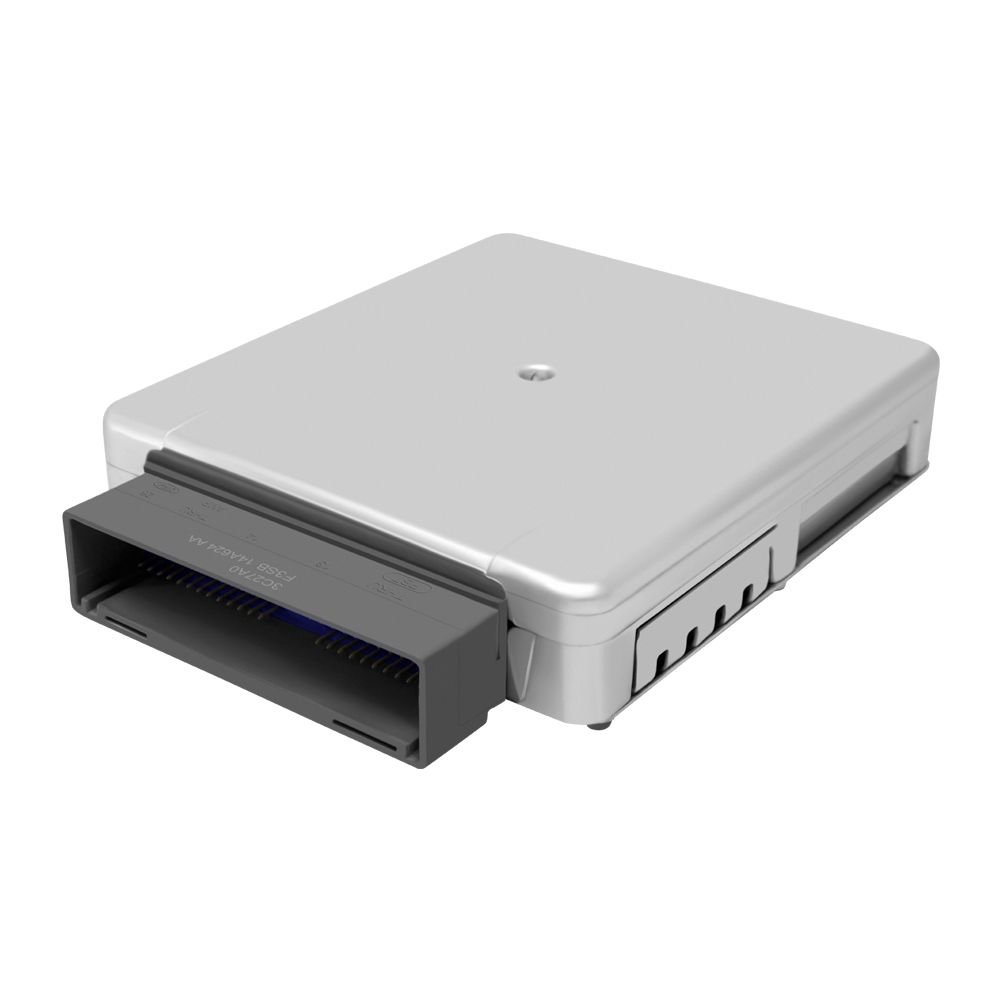
Flagship One stocks a refurbished, VIN-programmed PCM for the 2000 Lincoln Continental with a lifetime warranty, free shipping and no core charge. The full Lincoln Continental module lineup covers other engine configurations as well.
Final Thoughts
The Powertrain Control Module is a vital component in your 2000 Lincoln Continental, overseeing critical engine and transmission functions. When it fails, the symptoms can range from subtle performance issues to complete vehicle inoperability. Understanding the role of the PCM, recognizing the signs of failure, and knowing the replacement process can help you address problems efficiently. Whether you choose to repair or replace the module, ensuring it’s properly installed and calibrated will keep your Continental running smoothly for miles to come.