
Last updated on August 25th, 2026 at 12:43 pm
In the 2002 Lincoln Continental the Engine Control Module manages fuel injection, ignition timing and communication with the transmission. A failure typically disrupts engine start, causes stalling, and generates internal diagnostic codes, indicating loss of control over powertrain functions.
When a 2002 Lincoln Continental begins to exhibit no‑start conditions, intermittent stalling, or a cascade of powertrain codes, the engine control module is often the culprit. Understanding how the ECM operates, where it resides, and what the factory expects after a swap can help you avoid unnecessary diagnostics and get your vehicle back on the road faster. This guide walks you through the module’s purpose, the steps to remove and replace it, the programming requirements, and practical tips to keep the new unit healthy. By the end, you’ll know exactly what to expect from the labor, the codes you might see, and why a VIN‑programmed replacement from Flagship One can simplify the process.
The Engine Control Module in the 2002 Lincoln Continental acts as the brain for the gasoline V8, processing sensor data to control fuel delivery, spark timing and emission functions. It also coordinates with the transmission control unit to ensure smooth shifting. Because the vehicle relies on precise timing, any glitch can lead to rough idle, loss of power, or a complete no‑start. Maintaining a functional ECM is essential for meeting emissions standards and delivering the smooth ride expected from a Lincoln. For those seeking a new unit, replacement engine computers for the Continental provide a direct fit and retain the vehicle’s original performance characteristics.
2002 Lincoln Continental
OEM programmed ECM for your 2002 Lincoln Continental — plug & play, no dealer visit.
Free shipping · Lifetime warranty
The ECM is mounted in the engine compartment, typically secured to the firewall near the intake manifold. Access involves disconnecting the battery, removing the connector harness, and unbolting the module with the torque specifications outlined in the service manual. The book time for removal and reinstall, often referred to as R&R, is listed as 0.6 hours. After the unit is secured, the powertrain control module relearn step, which takes about 0.5 hours, ensures the vehicle’s computer recognizes the new hardware and calibrates its parameters accordingly.
Work with the ignition off, and treat the module as static-sensitive: avoid touching the connector pins at any point.
| Operation | Configuration | Book Time |
|---|---|---|
| Engine Control Module R&R | All configurations | 0.6 hr |
| Powertrain Control Module Relearn | All configurations | 0.5 hr |
| Powertrain Control Module R&R | All configurations | 0.6 hr |
Factory service procedures require a powertrain control module relearn after installing a new ECM, a step that usually takes half an hour of diagnostic time. Flagship One units arrive VIN‑programmed, so the required a VIN-programmed replacement unit eliminates the need for that relearn, allowing you to complete the swap within the listed labor times without additional coding.
Typical signs of a failing ECM in a 2002 Lincoln Continental include a complete lack of engine cranking, intermittent stalling at idle, rough acceleration, and the appearance of multiple powertrain codes. Drivers may also notice the check engine light flashing and loss of transmission shift control. When the module cannot communicate, a scan tool may report a dead bus, and codes such as internal processor fault often appear, indicating internal circuitry issues within the ECM itself.
The following internal diagnostic codes are commonly logged by the ECM in this vehicle when a fault is present:
| Code | Meaning | Full Guide |
|---|---|---|
| P0602 | Control module programming error | Full P0602 guide → |
| P0603 | Keep-alive memory (KAM) error | Full P0603 guide → |
| P0605 | Internal ROM error | Full P0605 guide → |
| P0606 | Module processor failure | Full P0606 guide → |
| P0645 | Module-internal fault | Full P0645 guide → |
| P1605 | Module-internal fault | — |
| P1633 | Module-internal fault | — |
| P1635 | Module-internal fault | — |
| P1636 | Module-internal fault | — |
| P1639 | Module-internal fault | — |
| P1640 | Module-internal fault | — |
| P1641 | Module-internal fault | — |
The swap is within the capability of a competent DIYer, provided you follow safety steps, use the correct torque values and allow for the relearn procedure if the replacement is not pre‑programmed.
It updates the vehicle’s control strategy to recognize the new ECM, calibrating fuel, spark and transmission parameters so the engine runs smoothly.
When the ECM fails, the system may generate several related codes because various sensors lose communication, resulting in a cascade of fault reports.
A VIN‑programmed unit ensures the factory relearn step is already completed, reducing labor time and the chance of coding errors.
A visual check during regular service, at least once a year, can catch corrosion or loose pins before they cause intermittent failures.
When the ECM in your 2002 Lincoln Continental needs attention, you can either have a refurbished unit installed or opt for a brand‑new, VIN‑programmed replacement. Both approaches restore the vehicle’s original functionality, but a fresh unit eliminates the risk of prior wear and often includes a warranty for added peace of mind.
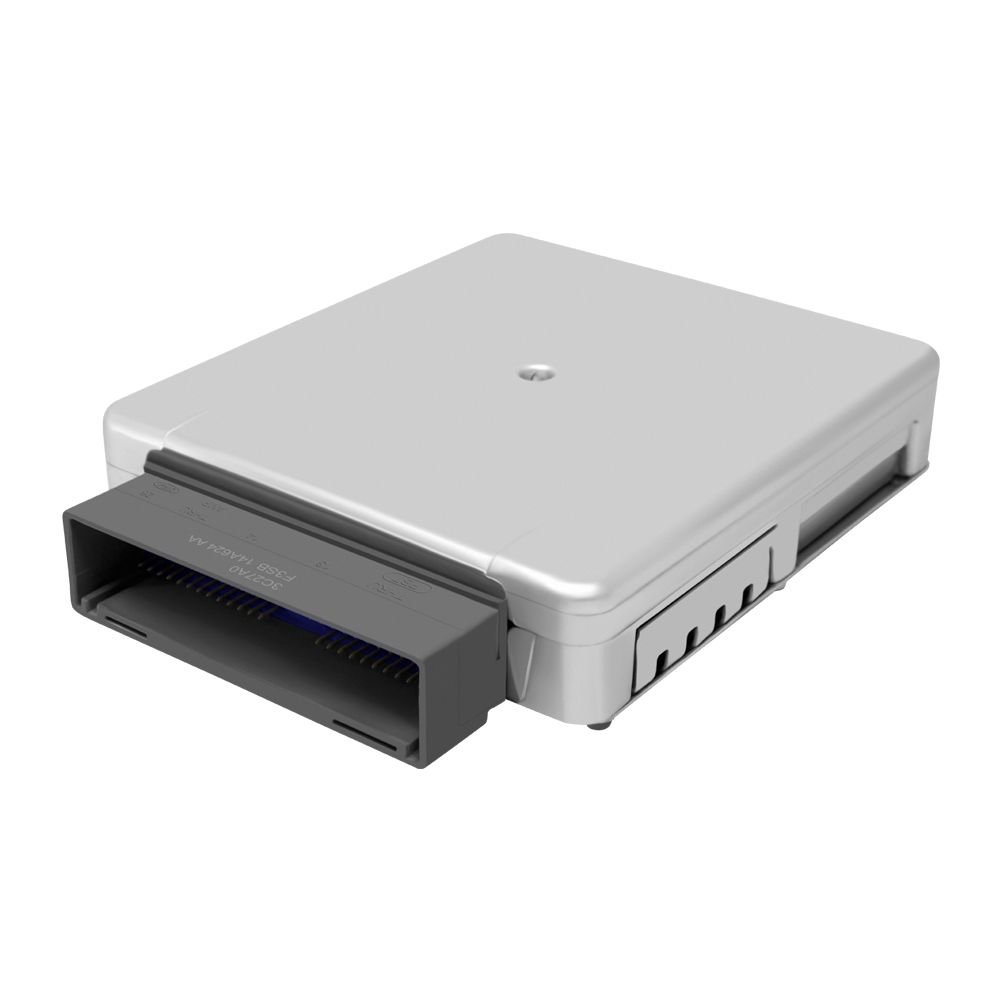
Flagship One stocks a refurbished, VIN-programmed PCM for the 2002 Lincoln Continental with a lifetime warranty, free shipping and no core charge. The full Lincoln Continental module lineup covers other engine configurations as well.
Replacing the engine control module in a 2002 Lincoln Continental can resolve a range of performance issues. With the right tools, labor times and a VIN‑programmed unit, you can get the vehicle back to reliable operation quickly. Consider your options and choose the solution that best fits your needs.