
Last updated on August 25th, 2026 at 12:50 pm
In the 1996 Dodge Stratus, the Powertrain Control Module (PCM) manages fuel delivery, ignition timing, and emissions controls. Failure often results in reduced power, erratic shifting, or error codes that prevent the vehicle from starting.
You’re driving a 1996 Dodge Stratus and notice the engine running rough, the check engine light stays on, or the vehicle stalls unexpectedly. These symptoms can stem from issues within the Powertrain Control Module (PCM). The PCM is the brain that coordinates the engine’s performance and emissions control. Understanding its role, how to diagnose problems, and the steps for a proper replacement or relearn can help you restore reliable performance and keep your vehicle compliant with emission regulations. This guide outlines what the PCM does, where it sits, the labor involved, and how to ensure a smooth reprogramming process.
The Powertrain Control Module in the 1996 Dodge Stratus receives data from sensors such as crankshaft position, throttle position, and coolant temperature to calculate precise fuel injection and ignition timing. It also manages emissions components like the catalytic converter and EGR valve. If the PCM’s internal software becomes corrupted or its hardware fails, the vehicle may exhibit poor acceleration, stalling, or may refuse to start. replacement engine computers for the 1996 Dodge Stratus The PCM’s reliability is crucial because it directly influences engine efficiency and emissions compliance. Maintaining an accurate firmware version and ensuring proper communication with other modules is essential for optimal vehicle performance.
1996 Dodge Stratus
OEM programmed ECM for your 1996 Dodge Stratus — plug & play, no dealer visit.
Free shipping · Lifetime warranty
The PCM is located under the dash on the driver’s side, behind the steering column. To replace it, you must remove the steering column covers, disconnect the battery for safety, and unplug the electrical connectors. The book time for a relearn is 0.5 hours, while a full replacement takes 0.4 hours. During replacement, the technician must carefully handle the module to avoid damage and ensure all connectors are seated correctly.
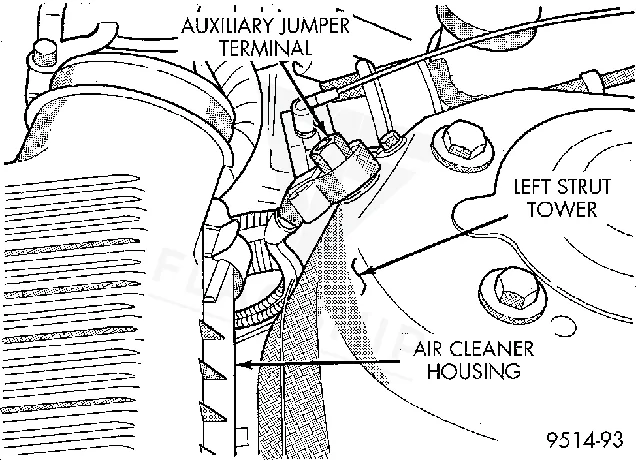
Work with the ignition off, and treat the module as static-sensitive: avoid touching the connector pins at any point.
| Operation | Configuration | Book Time |
|---|---|---|
| Engine Control Module Relearn | All configurations | 0.5 hr |
| Engine Control Module R&R | All configurations | 0.4 hr |
| Powertrain Control Module Relearn | All configurations | 0.5 hr |
| Powertrain Control Module R&R | All configurations | 0.4 hr |
After installing a new PCM, the vehicle’s factory procedure requires a relearn of the engine control settings. Flagship One units arrive already VIN-programmed, so the relearn step is effectively completed during shipping. This eliminates the need for post-install reprogramming on the shop floor. a VIN-programmed replacement unit The technician can simply install the module and proceed to a diagnostic check to confirm communication.
Common signs that the PCM may be at fault include sudden stalling during acceleration, intermittent misfires, or a persistent check engine light. The engine may also run lean or rich, leading to increased fuel consumption. In some cases, the diagnostic tool may return a communication error with the PCM. If a trouble code appears, it might be Powertrain Control Module Communication indicating a fault in the module’s internal logic or its link to other systems.
Recall reprogramming is mandatory for California emissions under Rc-678-96 (Recall #678), Rc-7922-99 (Recall #7922), and for federal emissions under Rc-7921-99 (Recall #7921). These bulletins require the Powertrain Control Module to be reprogrammed to meet updated emission standards.
| Bulletin | Subject | What It Addresses |
|---|---|---|
| — | Rc-678-96 California Emissions Recall #678 — Reprogram Powertrain Control Module | — |
| — | Rc-7922-99 California Emissions Recall #7922 — Reprogram Powertrain Control Module | — |
| — | Rc-7921-99 Federal Emissions Recall #7921 — Reprogram Powertrain Control Module | — |
A malfunctioning PCM can cause the engine to misfire, stall, or fail to start. It may also trigger the check engine light and increase fuel consumption. Addressing the issue promptly can restore normal operation and prevent further damage.
The recall requires the Powertrain Control Module to be reprogrammed to meet newer emissions standards. Failure to comply can result in non-compliance with state regulations and potential vehicle inspection failures.
While a relearn is a relatively simple procedure, it requires specialized diagnostic equipment and knowledge of the vehicle’s electronic systems. It is recommended to have a professional technician handle the process to ensure accuracy.
A communication error often indicates a fault in the module’s internal logic or a bad connection. Check all wiring harnesses, connectors, and grounds. If the issue persists, consider replacing the PCM.
A basic diagnostic scan tool is required to confirm module communication after replacement. Some shops may use a specialized programming tool, but for a VIN-programmed unit, only a standard scan tool is necessary.
If your 1996 Dodge Stratus is showing symptoms of PCM failure, you have reliable options: a full replacement with a refurbished unit or a professional relearn service. Both approaches restore performance and bring the vehicle back into compliance with emissions regulations. Choose the solution that best fits your budget and maintenance schedule.
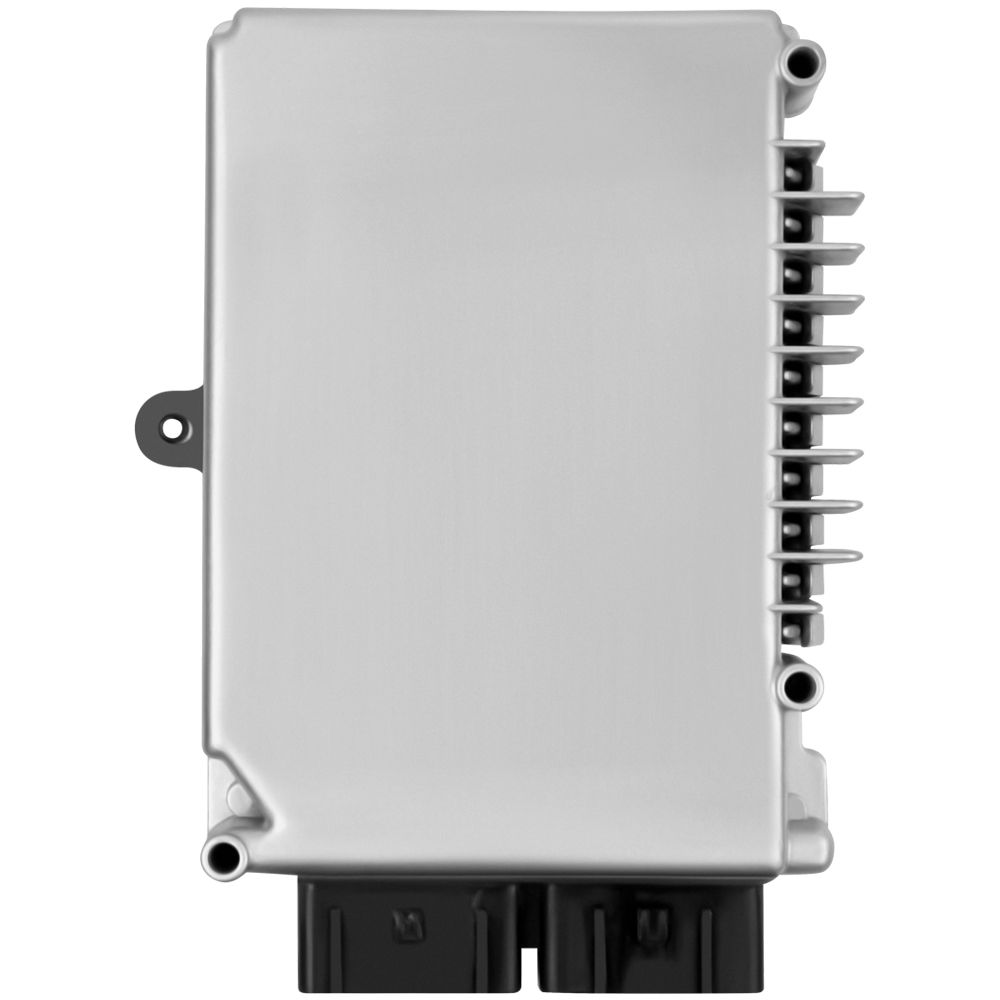
Flagship One stocks a refurbished, VIN-programmed PCM for the 1996 Dodge Stratus with a lifetime warranty, free shipping and no core charge. The full Dodge Stratus module lineup covers other engine configurations as well.
The 1996 Dodge Stratus relies on its Powertrain Control Module for smooth operation and emissions control. Addressing PCM issues promptly can prevent costly repairs and maintain vehicle reliability. Consider a trusted replacement or relearn service to keep your Stratus running efficiently.