
Last updated on August 25th, 2026 at 12:17 pm
The Powertrain Control Module (PCM) in the 1994 Dodge Viper manages engine timing, fuel delivery, and transmission shifts. Failures may cause no-start conditions, erratic idling, or transmission hesitation, often due to voltage spikes or corrosion in connectors.
If your 1994 Dodge Viper suddenly refuses to start or runs erratically, the Powertrain Control Module (PCM) may be at fault. This critical component acts as the brain of your vehicle, coordinating fuel injection, ignition timing, and transmission shifts. Unlike modern cars with separate engine and transmission computers, the Viper’s PCM consolidates these functions into a single unit, making its reliability essential for smooth operation. Replacing or reprogramming the PCM isn’t just about swapping hardware—it requires precise steps to ensure the new module syncs with your Viper’s systems. Understanding the process helps you avoid unnecessary downtime and ensures your vehicle runs as intended. Whether you’re diagnosing a no-start condition or preparing for a replacement, knowing how the PCM functions and what to expect during service can save you time and frustration.
The Powertrain Control Module (PCM) in the 1994 Dodge Viper serves as the central command unit for both the engine and transmission. It processes data from sensors monitoring throttle position, engine speed, and air intake to adjust fuel delivery and ignition timing for optimal performance. Additionally, the PCM controls the Viper’s four-speed automatic transmission, managing shift points and torque converter lockup to balance power and efficiency. A failure in this module can disrupt these functions, leading to poor acceleration, rough idling, or even a complete loss of engine control. Because the Viper’s PCM is tailored to its high-performance 8.0L V10 engine, using replacement powertrain control modules for the Dodge Viper ensures compatibility and restores factory-level operation. Without a properly functioning PCM, the vehicle may struggle to start or exhibit unpredictable behavior under load, making timely diagnosis and replacement critical for maintaining drivability.
1994 Dodge Viper
OEM programmed ECM for your 1994 Dodge Viper — plug & play, no dealer visit.
Free shipping · Lifetime warranty
The Powertrain Control Module (PCM) in the 1994 Dodge Viper is located inside the vehicle, typically mounted beneath the dashboard on the passenger side. Accessing it requires removing interior trim panels to expose the module’s mounting bracket. The replacement process involves disconnecting the electrical connector, removing the securing bolts, and installing the new unit in reverse order. According to factory labor estimates, removing and reinstalling the PCM takes approximately 0.5 hours. No specialized tools are required beyond basic hand tools, but care should be taken to avoid damaging the connector or wiring during the swap. Once installed, the new PCM must undergo a relearn procedure to synchronize with the vehicle’s systems, which also takes about 0.5 hours of labor.
| Operation | Configuration | Book Time |
|---|---|---|
| Engine Control Module Relearn | All configurations | 0.5 hr |
| Engine Control Module R&R | All configurations | 0.5 hr |
| Powertrain Control Module Relearn | All configurations | 0.5 hr |
| Powertrain Control Module R&R | All configurations | 0.5 hr |
After replacing the Powertrain Control Module (PCM) in your 1994 Dodge Viper, a factory relearn procedure is required to ensure the new unit communicates correctly with the engine and transmission. This process, which typically takes 0.5 hours, involves using a DRBIII scan tool to reset adaptive values and calibrate the module to your vehicle’s specific parameters. However, if you install a VIN-programmed replacement unit, these steps are already completed, saving you time and eliminating the need for additional programming. Flagship One’s pre-programmed modules arrive ready to sync with your Viper’s systems, allowing you to focus on reinstallation and verification rather than dealing with complex software updates. This streamlined approach reduces the risk of errors and ensures your vehicle returns to the road faster.
A failing Powertrain Control Module (PCM) in the 1994 Dodge Viper can manifest in several ways, often mimicking other mechanical or electrical issues. One of the most common symptoms is a no-start condition, where the engine cranks but fails to fire, typically due to incorrect fuel or spark delivery. Stalling at idle or during acceleration may also occur, as the PCM struggles to maintain proper air-fuel ratios or ignition timing. Transmission-related issues, such as harsh or delayed shifts, can arise if the module fails to manage shift solenoids correctly. Another telltale sign is a complete loss of communication with a scan tool, leaving you unable to retrieve diagnostic data. In some cases, the vehicle may exhibit erratic behavior, such as surging or misfiring under load, which can be traced back to corrupted PCM data. If the module’s internal memory fails, you might encounter a checksum error in the control module, indicating a need for replacement or reprogramming. Addressing these symptoms promptly can prevent further drivability issues and restore your Viper’s performance.
Factory service bulletin #18-037-05 addresses flash programming failure recovery for the Powertrain Control Module (PCM) in the 1994 Dodge Viper. This bulletin outlines steps to recover the module if a programming attempt is interrupted or fails, ensuring the PCM retains its calibration data. The procedure requires a DRBIII scan tool to reinitialize the module and restore its functionality. Following these guidelines helps prevent bricking the PCM during updates and ensures reliable operation after service.
| Bulletin | Subject | What It Addresses |
|---|---|---|
| 18-037-05 | 18-037-05 Flash Programming Failure Recovery Using DRBIII® | — |
Stalling after a PCM replacement often occurs if the relearn procedure isn’t completed. The module needs to recalibrate to your vehicle’s sensors and fuel trims. Using a pre-programmed unit eliminates this step, but if you install a blank module, a DRBIII scan tool is required to perform the relearn.
Driving with a faulty PCM is risky, as it may cause unpredictable behavior like stalling, misfires, or transmission issues. In some cases, the vehicle may not start at all. If you suspect a PCM failure, have it diagnosed and replaced promptly to avoid further damage or unsafe driving conditions.
Common signs include a no-start condition, stalling, erratic shifting, or a complete loss of scan tool communication. If the PCM generates internal fault codes or fails to control fuel and ignition systems properly, replacement is often the most reliable solution.
Basic hand tools are sufficient for removing and installing the PCM, including a socket set and screwdrivers to access the module beneath the dashboard. If reprogramming is required, a DRBIII scan tool is necessary to perform the relearn procedure.
Yes, a factory relearn procedure is typically required to synchronize the new PCM with the vehicle’s systems. However, a VIN-programmed replacement unit from Flagship One arrives ready to install, eliminating the need for additional programming and reducing downtime.
When your 1994 Dodge Viper’s PCM fails, you have two primary options: repair the existing module or replace it with a refurbished unit. Given the age of these vehicles, sourcing a reliable replacement is often the most practical solution. A VIN-programmed PCM ensures compatibility and eliminates the need for time-consuming reprogramming, allowing you to get your Viper back on the road with minimal hassle. Whether you’re addressing a no-start condition or erratic performance, choosing the right replacement module can restore your vehicle’s original driving dynamics.
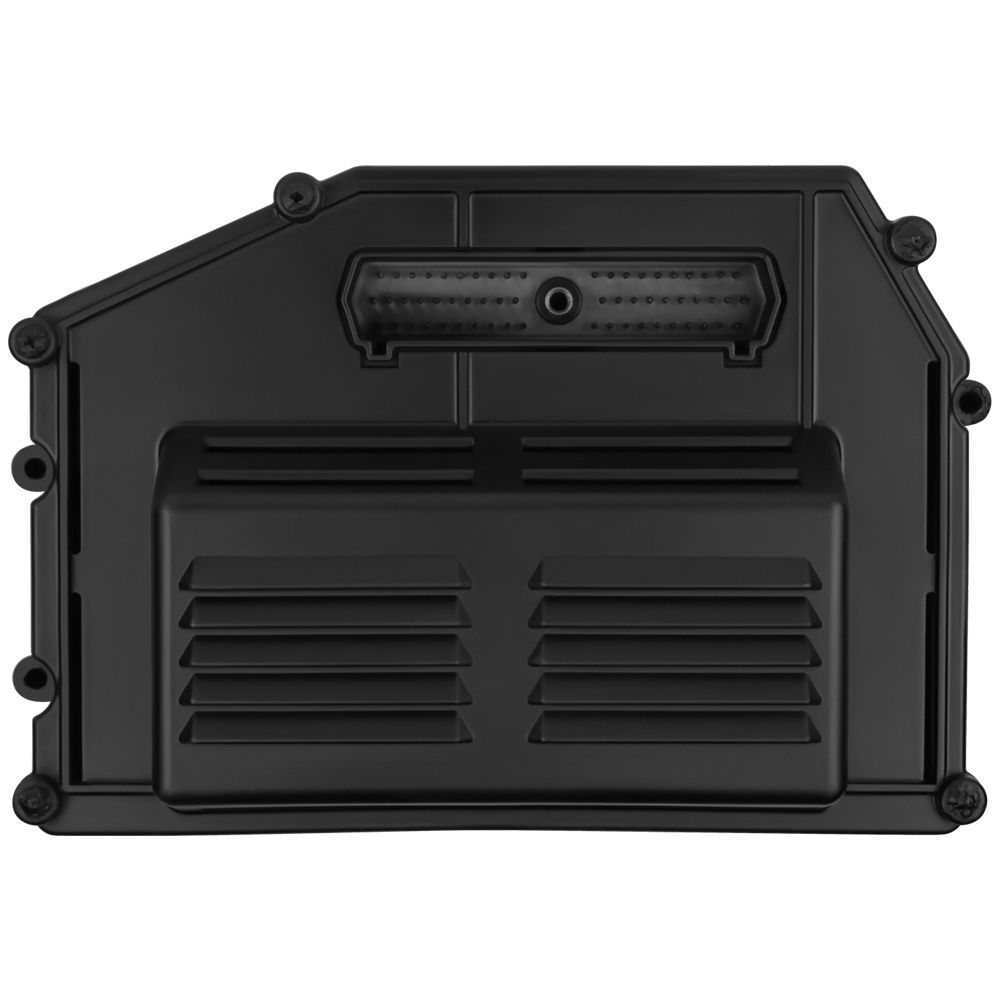
Flagship One stocks a refurbished, VIN-programmed PCM for the 1994 Dodge Viper with a lifetime warranty, free shipping and no core charge. The full Dodge Viper module lineup covers other engine configurations as well.
The 1994 Dodge Viper’s Powertrain Control Module is a critical component that demands attention when symptoms of failure arise. Whether you’re dealing with stalling, misfires, or transmission issues, understanding the role of the PCM and the steps involved in replacement can help you make informed decisions. Opting for a VIN-programmed unit simplifies the process, ensuring your Viper returns to peak performance without unnecessary delays. If your vehicle exhibits signs of PCM failure, addressing it promptly will keep your classic sports car running reliably for years to come.