
Last updated on August 25th, 2026 at 12:51 pm
The Engine Control Module (ECM) in your 1992 Dodge Viper manages fuel delivery, ignition timing, and idle control for the 8.0L V10. Failures may cause hard starts, stalling, or erratic engine behavior, often due to internal circuit degradation or connector corrosion.
If your 1992 Dodge Viper suddenly refuses to start or stalls unpredictably, the Engine Control Module (ECM) may be the culprit. This small but critical computer governs how your V10 engine runs, from fuel mixture to spark timing. When it fails, you’re left with a car that won’t move—or worse, cuts out at highway speeds. Replacing it isn’t just about swapping a box; the factory requires a specific relearn procedure to restore proper operation. Understanding these steps helps you avoid unnecessary dealer visits and ensures your Viper runs as intended after the repair.
1992 Dodge Viper
OEM programmed ECM for your 1992 Dodge Viper — plug & play, no dealer visit.
Free shipping · Lifetime warranty
In your 1992 Dodge Viper, the ECM acts as the brain for the 8.0L V10, continuously adjusting fuel injectors and ignition timing based on sensor inputs. Without it, the engine may run poorly or not at all. Over time, heat and vibration can degrade its internal components, leading to failures that strand you unexpectedly. When replacement becomes necessary, choosing replacement engine computers for the Viper ensures compatibility with your vehicle’s unique tuning requirements, avoiding mismatches that could cause further issues.
The ECM in the 1992 Dodge Viper is mounted near the engine bay, typically requiring removal of a protective cover or air intake components for access. Replacement involves disconnecting the wiring harness, removing the old unit, and installing the new one. Labor time for this procedure is usually 0.5 hours, according to factory estimates. No special tools are required beyond basic hand tools, though care should be taken to avoid damaging connectors during removal.
| Operation | Configuration | Book Time |
|---|---|---|
| Engine Control Module Relearn | All configurations | 0.5 hr |
| Engine Control Module R&R | All configurations | 0.5 hr |
| Powertrain Control Module Relearn | All configurations | 0.5 hr |
| Powertrain Control Module R&R | All configurations | 0.5 hr |
After installing a new ECM in your 1992 Dodge Viper, the factory procedure requires a 0.5-hour relearn process using a DRBIII scan tool. This step synchronizes the module with your vehicle’s sensors and fuel system. However, a VIN-programmed replacement unit arrives ready to install, eliminating the need for this additional step and saving you time and potential dealer fees.
A failing ECM in your 1992 Dodge Viper may cause a range of issues, from a complete no-start condition to intermittent stalling or rough idle. You might also notice poor throttle response or the engine cutting out during acceleration. In some cases, the vehicle may start but immediately die, indicating the ECM is unable to maintain proper fuel or spark control. If your scan tool fails to communicate with the module, that’s another strong sign of ECM failure. While no specific codes are tied to this vehicle, internal faults like memory integrity error may appear if the module’s self-check detects corruption.
Factory bulletin #18-037-05 outlines procedures for recovering from flash programming failures using the DRBIII scan tool. This bulletin is particularly relevant if your Viper’s ECM was previously updated or replaced and encountered communication errors during the process. Following these steps may resolve issues where the module fails to initialize after programming attempts.
| Bulletin | Subject | What It Addresses |
|---|---|---|
| 18-037-05 | 18-037-05 Flash Programming Failure Recovery Using DRBIII® | — |
Yes, if you’re comfortable with basic mechanical work. The ECM is accessible in the engine bay, and replacement typically takes 0.5 hours. However, you’ll need to account for the factory relearn procedure unless you use a pre-programmed unit.
The factory requires a relearn procedure to synchronize the new ECM with your vehicle’s sensors. Without this step, the engine may run poorly or stall. A pre-programmed module eliminates this issue by arriving ready to install.
Common signs include no-start conditions, stalling, or poor engine performance. If your scan tool can’t communicate with the ECM, that’s another strong indicator of failure. Internal faults may also trigger codes like memory integrity errors.
If your 1992 Dodge Viper’s ECM has failed, you have two options: attempt a dealer reprogramming of a used module or install a pre-programmed replacement. Given the factory’s 0.5-hour relearn requirement, a ready-to-install unit saves time and avoids potential flash failures. This is especially valuable for a vehicle where reliability is critical.
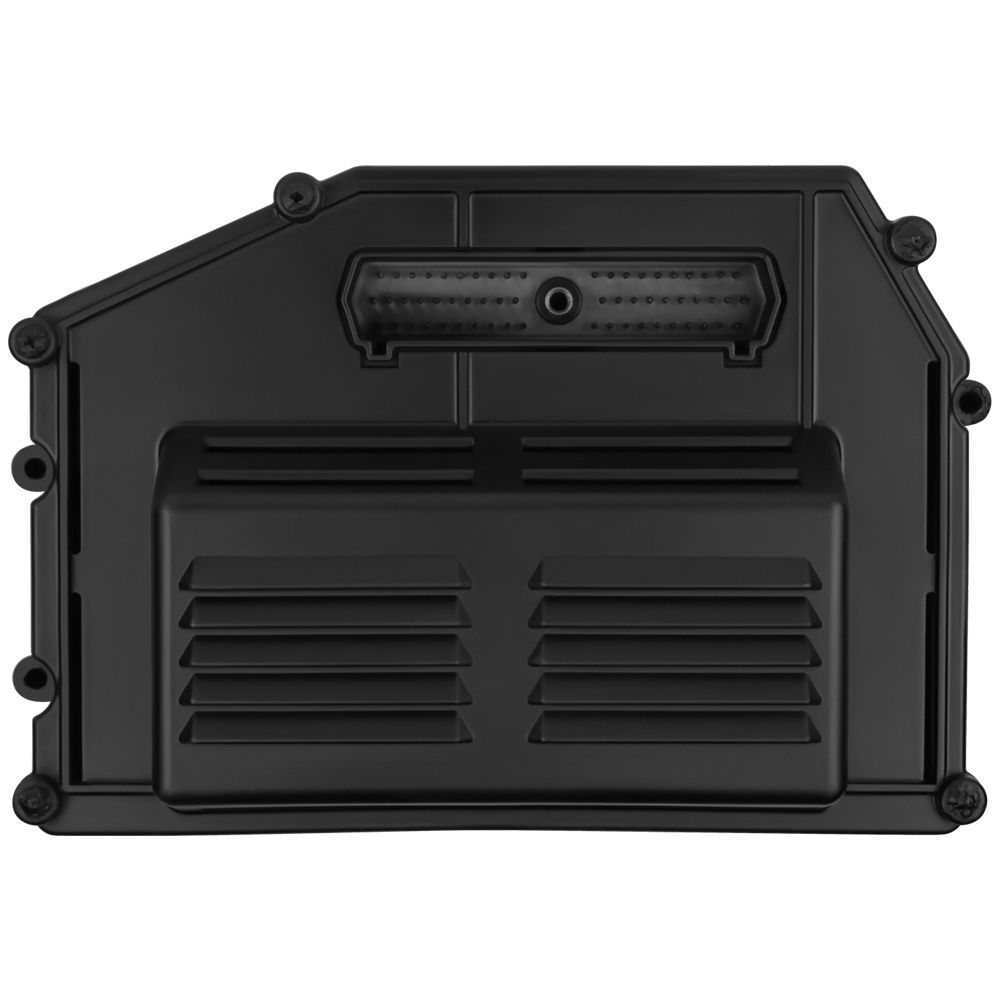
Flagship One stocks a refurbished, VIN-programmed PCM for the 1992 Dodge Viper with a lifetime warranty, free shipping and no core charge. The full Dodge Viper module lineup covers other engine configurations as well.
A failing ECM in your 1992 Dodge Viper can leave you stranded, but replacement doesn’t have to be complicated. By choosing a pre-programmed module, you skip the factory relearn procedure and get your V10 running smoothly again. Whether you tackle the job yourself or leave it to a shop, addressing ECM issues promptly ensures your Viper stays on the road where it belongs.