
Last updated on August 25th, 2026 at 12:51 pm
The Engine Control Module (ECM) in your 1993 Dodge Viper manages fuel injection, ignition timing, and idle control for the 8.0L V10. Failures may cause hard starting, stalling, or erratic engine behavior, often due to internal circuit degradation or connector corrosion.
If your 1993 Dodge Viper struggles to start, stalls unexpectedly, or runs unevenly, the Engine Control Module (ECM) may be failing. This small but critical computer manages fuel delivery, ignition timing, and other engine functions. Replacing it involves removing the old unit, installing a new one, and performing a factory-mandated relearn procedure. Understanding the process helps you anticipate labor time and avoid unnecessary steps, especially if you opt for a pre-programmed replacement that skips the dealer programming phase.
1993 Dodge Viper
OEM programmed ECM for your 1993 Dodge Viper — plug & play, no dealer visit.
Free shipping · Lifetime warranty
The ECM in your 1993 Dodge Viper acts as the brain for the 8.0L V10 engine, adjusting fuel injection and ignition timing in real time. Without it, the engine may run poorly or fail to start at all. Over time, heat and vibration can degrade internal components, leading to intermittent or permanent failures. When replacement becomes necessary, you’ll need replacement engine computers for the Viper that match the original specifications to ensure proper operation.
The ECM in the 1993 Dodge Viper is typically mounted in the engine bay, though exact placement may vary. Replacing it involves disconnecting the battery, removing the old unit, and installing the new one. Labor time for removal and reinstallation is 0.5 hours. No special tools are required beyond basic hand tools, but care should be taken to avoid damaging connectors or mounting points during the process.
| Operation | Configuration | Book Time |
|---|---|---|
| Engine Control Module Relearn | All configurations | 0.5 hr |
| Engine Control Module R&R | All configurations | 0.5 hr |
| Powertrain Control Module Relearn | All configurations | 0.5 hr |
| Powertrain Control Module R&R | All configurations | 0.5 hr |
After installing a new ECM in your 1993 Dodge Viper, the factory procedure requires a 0.5-hour relearn process to synchronize the module with the engine. However, if you choose a VIN-programmed replacement unit, this step is already completed, saving you time and avoiding potential dealer programming fees. The unit arrives ready to install, reducing downtime and ensuring proper communication with the vehicle’s systems.
A failing ECM in your 1993 Dodge Viper may cause a range of issues, including hard starting, stalling at idle, or sudden loss of power. You might also notice the engine running rough or misfiring, particularly under load. In some cases, the vehicle may fail to communicate with a scan tool, indicating a complete module failure. While these symptoms can stem from other issues, persistent problems often point to the ECM as the culprit.
Factory service bulletin #18-037-05 addresses flash programming failure recovery for the 1993 Dodge Viper using the DRBIII® scan tool. This bulletin outlines steps to restore module functionality if programming is interrupted or incomplete, ensuring proper operation after replacement or updates.
| Bulletin | Subject | What It Addresses |
|---|---|---|
| 18-037-05 | 18-037-05 Flash Programming Failure Recovery Using DRBIII® | — |
Replacing the ECM is straightforward if you’re comfortable with basic automotive repairs. However, the factory requires a relearn procedure afterward, which may necessitate a visit to a dealer or shop with the proper scan tool unless you use a pre-programmed unit.
Stalling after ECM replacement often indicates the relearn procedure wasn’t completed. The module needs to synchronize with the engine’s sensors and fuel system. A pre-programmed unit eliminates this step, ensuring immediate functionality.
Common signs include no-start conditions, stalling, rough idle, or poor engine performance. If the vehicle fails to communicate with a scan tool, the ECM may be completely non-functional. Testing other components first can help rule out simpler issues.
If your 1993 Dodge Viper’s ECM has failed, you have two main options: repair the existing unit or replace it with a refurbished module. A pre-programmed replacement saves time by eliminating the factory relearn procedure, allowing for a quicker return to the road. Consider your budget and urgency when deciding the best path forward.
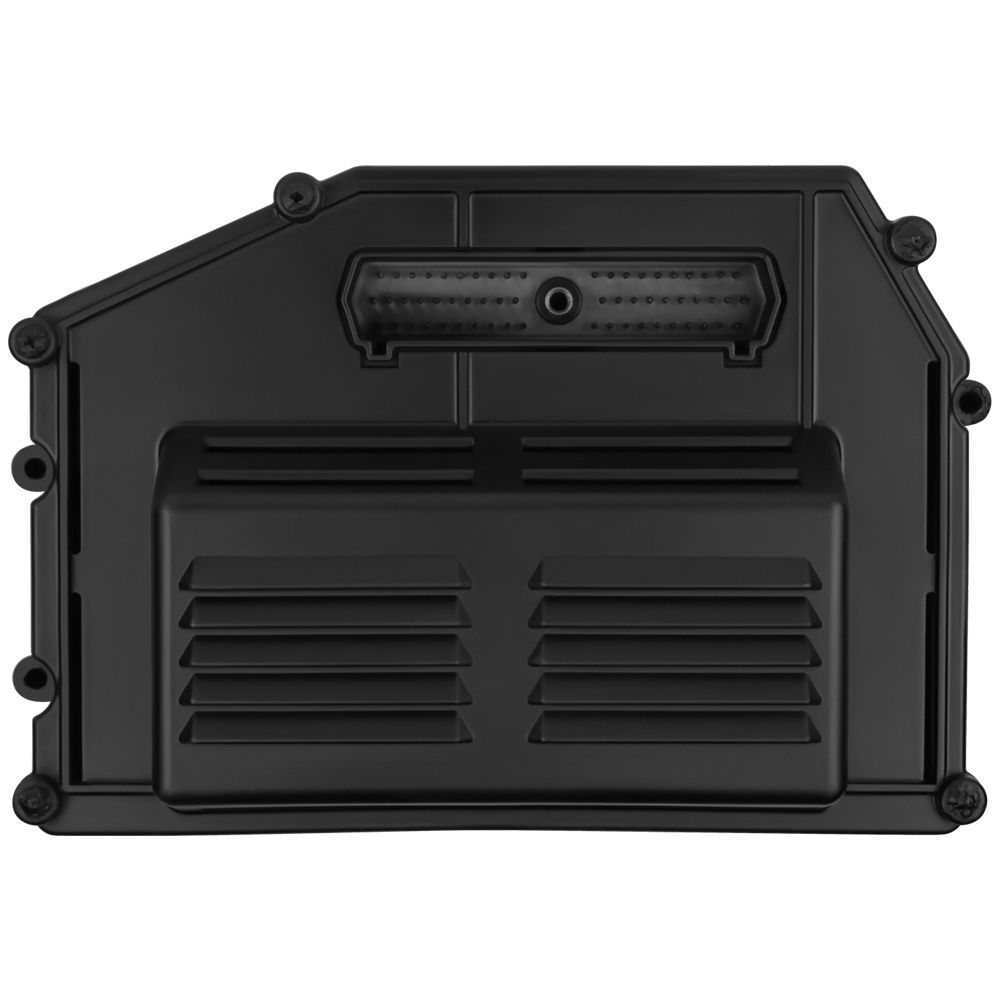
Flagship One stocks a refurbished, VIN-programmed PCM for the 1993 Dodge Viper with a lifetime warranty, free shipping and no core charge. The full Dodge Viper module lineup covers other engine configurations as well.
The ECM in your 1993 Dodge Viper plays a vital role in engine performance, and replacing it doesn’t have to be complicated. Whether you opt for a dealer visit or a pre-programmed unit, understanding the process helps you make an informed decision. Keep your Viper running smoothly with the right replacement and proper installation.