
Last updated on August 25th, 2026 at 12:52 pm
In the 1992 Dodge Dakota the Engine Control Module and Powertrain Control Module manage fuel delivery, ignition timing, and transmission shifting. Failure of either unit may cause loss of engine power, stalling, or inability to shift, typically traced to internal faults or corrupted programming.
When a 1992 Dodge Dakota exhibits symptoms like a no‑start condition, rough idle, or unexpected transmission behavior, the vehicle’s computer modules are often the first suspects. Understanding how the Engine Control Module (ECM) and Powertrain Control Module (PCM) function, what the factory expects after a replacement, and how to avoid common pitfalls can save you time and money. This guide walks you through the basics of these modules, the labor involved in removal and installation, the programming requirements, and practical steps to keep them running reliably. By the end, you’ll know what to expect during service and how a Flagship One VIN‑programmed unit fits into the process.
1992 Dodge Dakota
OEM programmed ECM for your 1992 Dodge Dakota — plug & play, no dealer visit.
Free shipping · Lifetime warranty
The ECM in a 1992 Dodge Dakota interprets sensor data to control fuel injection, spark timing, and idle speed, while the PCM adds transmission‑control functions, coordinating gear changes with engine output. Together they ensure the engine runs smoothly and the drivetrain shifts correctly, which is essential for drivability and emissions compliance. When either module loses its calibrated data, the vehicle may experience stalling, erratic shifting, or a complete loss of power. Properly calibrated modules keep the engine’s performance within design parameters, and a faulty unit often triggers the need for a relearn procedure. Access to the correct replacement parts, such as 1992 Dodge Dakota engine control module, is critical for restoring full functionality.
Both the ECM and PCM are mounted within the engine compartment of the 1992 Dodge Dakota, typically secured with bolts that can be accessed without removing major components. Removal involves disconnecting the electrical harness, undoing the mounting hardware, and extracting the unit. Installation reverses these steps, ensuring connectors are seated firmly. The factory labor guide assigns 0.5 hours for each module’s removal and replacement, and an additional 0.5 hours for the required relearn after the unit is reinstalled. No additional torque specifications are provided in the source data.
| Operation | Configuration | Book Time |
|---|---|---|
| Engine Control Module Relearn | All configurations | 0.5 hr |
| Engine Control Module R&R | All configurations | 0.5 hr |
| Powertrain Control Module Relearn | All configurations | 0.5 hr |
| Powertrain Control Module R&R | All configurations | 0.5 hr |
After installing a new ECM or PCM in a 1992 Dodge Dakota, the factory procedure calls for a relearn of the module’s calibration data, which is covered by the 0.5‑hour relearn time listed in the labor guide. Flagship One supplies a a VIN‑programmed replacement unit that arrives already matched to the vehicle’s specifications, so the relearn step is effectively completed at the factory, reducing shop time and the chance of error.
A failing ECM or PCM in a 1992 Dodge Dakota may manifest as a complete no‑start condition, intermittent stalling while driving, rough idle, or unexpected transmission shifts. You might also notice the check engine light illuminating without a clear diagnostic code, or the scan tool may lose communication with the vehicle’s computer network. These signs often point to corrupted module memory or a loss of programmed parameters, prompting the need for removal and a relearn procedure.
Bulletin #18-037-05 provides guidance on recovering from flash‑programming failures using the DRBIII® tool, offering a method to restore proper module operation when initial programming attempts are unsuccessful.
| Bulletin | Subject | What It Addresses |
|---|---|---|
| 18-037-05 | 18-037-05 Flash Programming Failure Recovery Using DRBIII® | — |
Loss of ECM programming can result from voltage irregularities, failed flash updates, or exposure to extreme temperatures. Restoring the original data typically requires a relearn or a replacement unit.
Standard hand tools are sufficient for removal and installation. The primary requirement is the electrical connector and proper mounting hardware, as outlined in the labor guide.
The factory labor guide allocates 0.5 hours for the ECM relearn procedure, which involves cycling the key and allowing the module to calibrate sensor inputs.
Yes, because the PCM controls shift timing, a malfunction can cause harsh or delayed shifts, or even prevent the transmission from engaging properly.
Flagship One units arrive VIN‑programmed, meaning they match the vehicle’s specifications out of the box, eliminating the need for post‑install programming steps.
When faced with ECM or PCM failure in a 1992 Dodge Dakota, you can choose a new factory‑spec unit or a refurbished replacement that meets original requirements. Both options involve similar removal and install steps, but a Flagship One VIN‑programmed replacement removes the need for a post‑install relearn, potentially reducing shop time.
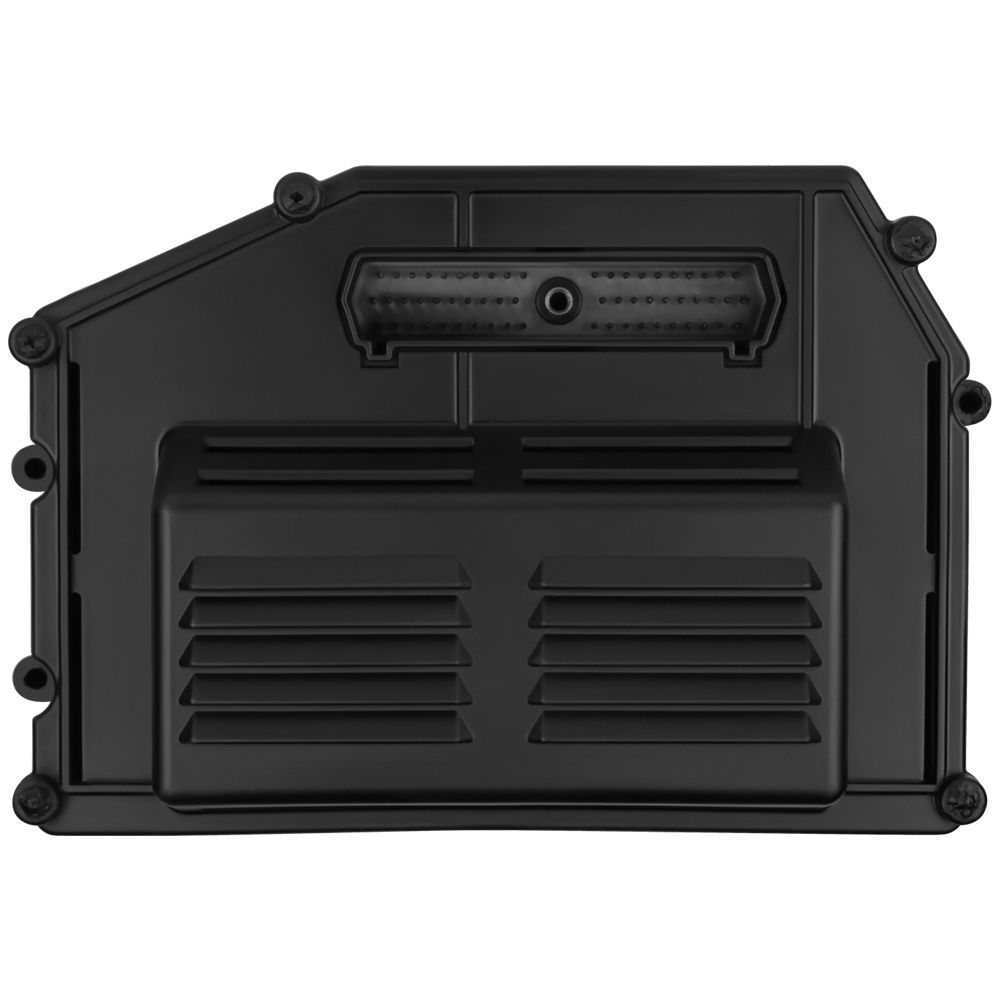
Flagship One stocks a refurbished, VIN-programmed PCM for the 1992 Dodge Dakota with a lifetime warranty, free shipping and no core charge. The full Dodge Dakota module lineup covers other engine configurations as well.
If your 1992 Dodge Dakota is showing computer‑related symptoms, consider a properly programmed replacement to restore reliable operation. Flagship One’s VIN‑matched units simplify the process while meeting factory standards.