
Last updated on August 25th, 2026 at 12:54 pm
The Powertrain Control Module in your 1999 Chrysler Cirrus is the central computer that manages engine fuel delivery, ignition timing, transmission shifting, and emissions systems. When this module fails, the engine may not start, run poorly, or trigger check engine lights.
If your 1999 Chrysler Cirrus with the 2.4L engine is experiencing starting problems, erratic running, or warning lights on the dashboard, the Powertrain Control Module may be the culprit. This comprehensive guide explains what the PCM does, how to recognize when it has failed, what the replacement process involves, and why programming is a critical part of the repair. Whether you are a DIY mechanic or discussing options with a professional shop, understanding these fundamentals helps you make informed decisions about getting your Cirrus back on the road. The information here covers the technical realities of PCM replacement for this specific model-year vehicle without unnecessary hype or oversimplification.
The Powertrain Control Module in your 1999 Chrysler Cirrus serves as the brain of the powertrain, integrating engine management and transmission control functions into a single unit. This computer receives input from dozens of sensors throughout the engine compartment and uses that data to calculate optimal fuel injector pulse width, ignition coil firing angle, idle air control position, and transmission shift points in real time. For the 2.4L four-cylinder engine in this vehicle, the PCM also manages the automatic transmission’s shift schedule, making it responsible for both drivability and shift quality. When the internal processor or its memory becomes corrupted from voltage spikes, thermal stress, or component aging, the module may lose its programming or send incorrect commands to actuators. Because the PCM affects virtually every aspect of engine operation, failure often leaves the vehicle in a no-start condition or causes severe drivability problems that cannot be resolved with simple sensor replacements. If you are shopping for replacement engine computers for the Cirrus, understanding this central role helps explain why the repair requires more than just swapping a part.
1999 Chrysler Cirrus
OEM programmed ECM for your 1999 Chrysler Cirrus — plug & play, no dealer visit.
Free shipping · Lifetime warranty
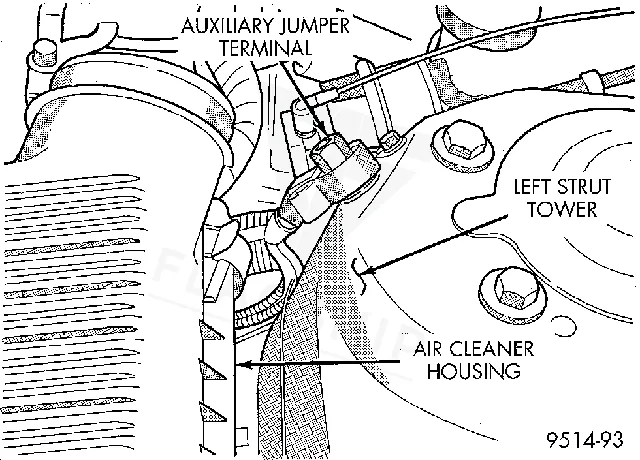
Work with the ignition off, and treat the module as static-sensitive: avoid touching the connector pins at any point.
| Operation | Configuration | Book Time |
|---|---|---|
| Powertrain Control Module Relearn | All configurations | 0.5 hr |
| Powertrain Control Module R&R | All configurations | 0.4 hr |
| Engine Control Module Relearn | All configurations | 0.5 hr |
| Engine Control Module R&R | All configurations | 0.4 hr |
After installing a new or remanufactured PCM in your 1999 Chrysler Cirrus, the module must be configured with vehicle-specific data before the engine will run properly. The factory procedure requires using the DRB scan tool to input the original Vehicle Identification Number and the vehicle’s original mileage into the new module’s memory. This step is essential because the PCM uses this information for emission certification compliance and to enable downstream systems that rely on accurate odometer data. Without this programming step, the engine may crank but not start, or the transmission may remain in a fail-safe mode. Flagship One addresses this requirement by shipping their replacement units already programmed with the correct VIN, meaning the post-install scan-tool procedure is significantly simplified or in some cases unnecessary depending on the unit configuration. This pre-programming represents a meaningful time savings compared to sourcing a blank replacement module that would require a dealer visit for initialization.
Every VIN-programmed replacement unit from Flagship One arrives with these steps already completed.
When the Powertrain Control Module begins to fail on a 1999 Chrysler Cirrus, the vehicle often exhibits several telltale signs that distinguish PCM problems from simpler sensor issues. The most common presentation is a no-start condition where the engine cranks normally but receives no fuel or spark because the PCM is not outputting the expected control signals. Another frequent symptom involves intermittent stalling, particularly at idle or during low-speed maneuvers, where the engine suddenly dies and restarts normally after a cooldown period. Misfire codes such as P0300 for random/multiple cylinder misfire or P0301 through P0304 for specific cylinder misfires frequently accompany PCM failures because the module misinterprets normal combustion variations as faults. In some cases, the scan tool may fail to communicate with the PCM entirely, indicating either a failed module or a loss of power to the unit. Transmission shifting problems may also manifest, including harsh shifts, delayed engagement, or the transmission refusing to shift out of limp-in mode. These symptoms often appear suddenly following a voltage spike from a weak battery or jump-start event, though some failures develop gradually as internal capacitors age.
Chrysler issued service bulletin number 08-030-06 Rev. A to address Powertrain Control Module Initialization procedures for certain models including the 1999 Cirrus. This bulletin outlines the specific sequence that technicians must follow when replacing a PCM to ensure proper communication between the new module and the vehicle’s other control modules. The procedure emphasizes the importance of performing the initialization step before attempting any diagnostic or relearn procedures, as an uninitialized module may not respond to scan tool commands or may store false fault codes. Technicians referencing this bulletin are directed to use the DRB scan tool and to verify that the new module has accepted the vehicle identification data before considering the repair complete.
| Bulletin | Subject | What It Addresses |
|---|---|---|
| 08-030-06 Rev. A | 08-030-06 Rev. A Powertrain Control Module Initialization | — |
When your 1999 Chrysler Cirrus requires a new Powertrain Control Module, you have two primary paths forward. You may choose to purchase a new or remanufactured unit from an auto parts retailer and pay additional dealer programming fees, or you can opt for a VIN-programmed replacement from Flagship One that arrives ready to install with your vehicle’s identification already loaded. The pre-programmed approach reduces post-install steps and eliminates the need for a dealer visit, which many owners find more convenient. Consider your budget, timeline, and access to scan tools when deciding which option suits your situation best.
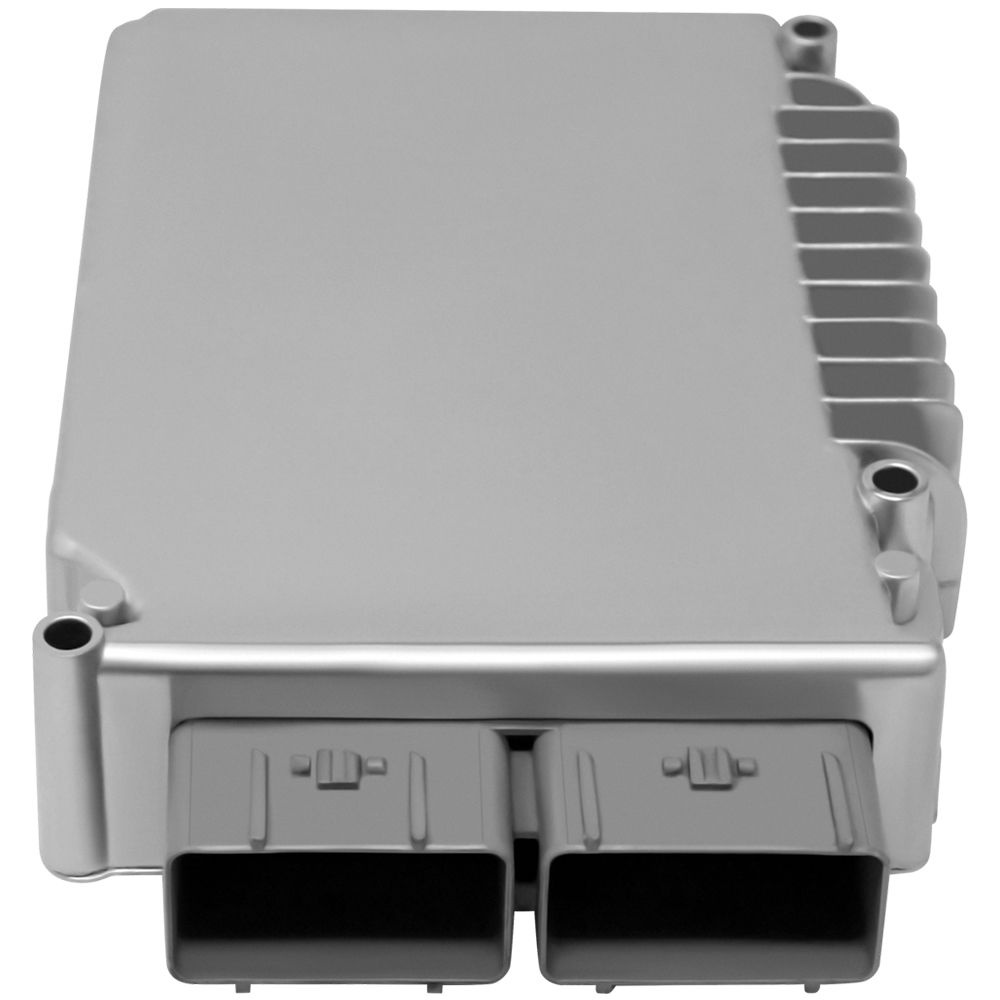
Flagship One stocks a refurbished, VIN-programmed PCM for the 1999 Chrysler Cirrus with a lifetime warranty, free shipping and no core charge. The full Chrysler Cirrus module lineup covers other engine configurations as well.
The Powertrain Control Module is an essential component of your 1999 Chrysler Cirrus, and its failure can leave you stranded or dealing with persistent drivability issues. Understanding the symptoms, replacement process, and programming requirements empowers you to make sound decisions about the repair. Whether you handle the installation yourself or rely on a professional shop, sourcing a quality replacement unit programmed to your vehicle’s specifications is the key to a successful repair that keeps your Cirrus running reliably for years to come.