
Last updated on August 25th, 2026 at 11:46 am
In the 1997 Chrysler Cirrus the Powertrain Control Module and Engine Control Module manage fuel delivery, ignition timing and transmission shift logic. A failure in either unit can trigger the malfunction indicator lamp, cause rough idle, hesitation or loss of power, and may prevent the vehicle from starting until the computer is reprogrammed or relearned.
When a 1997 Chrysler Cirrus displays a persistent check‑engine light, the underlying issue frequently involves the vehicle’s computer modules. Understanding how the Powertrain Control Module (PCM) and Engine Control Module (ECM) operate, and what the factory recommends for resetting them, can save you time and avoid unnecessary part swaps. This guide explains the role of each module, where they reside, the labor needed for removal and replacement, and the programming steps that follow a swap. By the end, you will know what symptoms to watch for, which service bulletins apply, and how Flagship One’s VIN‑programmed units simplify the process.
The PCM in the 1997 Chrysler Cirrus monitors engine speed, throttle position, and transmission output to calculate optimal fuel and spark timing. It also communicates with the ECM, which focuses on engine‑specific parameters such as idle control and emissions monitoring. Together they ensure smooth acceleration, stable idle, and compliance with emission standards. When either module loses its calibration data, the vehicle may exhibit rough idle, hesitation, or a lit MIL. The system relies on stored adaptive values that must be refreshed after component replacement. A proper reset restores these values, allowing the engine to run as the designers intended. replacement engine modules for Cirrus help maintain this balance by providing fresh calibration data tailored to the vehicle’s specifications.
1997 Chrysler Cirrus
OEM programmed ECM for your 1997 Chrysler Cirrus — plug & play, no dealer visit.
Free shipping · Lifetime warranty
Both the PCM and ECM are mounted within the engine compartment, typically secured to the firewall or near the intake manifold. Removal involves disconnecting the battery, unplugging the module harnesses, and unbolting the unit using the standard book times: 0.4 hours for a remove‑and‑replace of either module, and 0.5 hours for a relearn operation after installation. Access may require removing a few covers to reach the mounting bolts, but the process does not involve additional torque specifications beyond the standard fastener tightening sequence documented in the service manual.
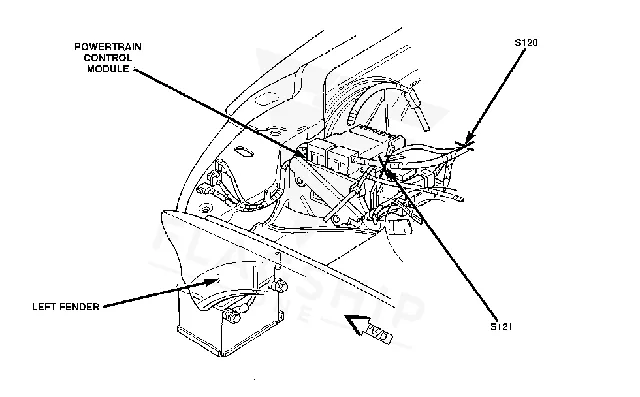
Work with the ignition off, and treat the module as static-sensitive: avoid touching the connector pins at any point.
| Operation | Configuration | Book Time |
|---|---|---|
| Powertrain Control Module Relearn | All configurations | 0.5 hr |
| Powertrain Control Module R&R | All configurations | 0.4 hr |
| Engine Control Module Relearn | All configurations | 0.5 hr |
| Engine Control Module R&R | All configurations | 0.4 hr |
After installing a new PCM or ECM, the factory procedure calls for a relearn cycle to synchronize the module with the vehicle’s sensors and transmission controller. This step typically takes about half an hour of technician time. Flagship One units arrive pre‑programmed with the correct VIN and calibration data, so the relearn is the only remaining procedure needed to complete the repair. a VIN-programmed replacement unit eliminates the need for on‑site flash programming, reducing shop time and the chance of programming errors.
Owners of a 1997 Chrysler Cirrus may notice the check‑engine light flashing along with codes such as hex code $6a, especially after a battery disconnect or after replacing a module. Common signs include rough idle, intermittent hesitation during acceleration, and occasional stalling at low speeds. In some cases, the vehicle may experience transmission shift irregularities because the PCM cannot properly command the gear controller. When the diagnostic scanner reads $6a:hex code $6a, it often points to a communication fault between the PCM and ECM, indicating that a relearn or replacement may be required.
| Bulletin | Subject | What It Addresses |
|---|---|---|
| 18-11-97 | 18-11-97 Erroneous MIL Illumination With Hex Codes $6a, $77, Erroneous PCM | — |
| 18-037-05 | 18-037-05 Flash Programming Failure Recovery Using DRBIII® | — |
| 18-01-98 | 18-01-98 MIL Illumination With Hex Code $3e, Possible Sags/Hesitations/Rough Idle | — |
Loss of calibration can result from battery disconnection, a power surge, or replacement of the module without performing the required relearn cycle.
Factory programming typically requires a dealer‑level scan tool, but a Flagship One VIN‑programmed unit eliminates the need for on‑site flashing.
Yes, because the PCM relies on ECM data to command shift timing, a malfunctioning ECM can lead to harsh or delayed gear changes.
When the PCM or ECM fails, you can choose a brand‑new factory‑spec unit or a refurbished replacement that meets original equipment standards. Both options restore the computer’s functions, but a refurbished module from Flagship One offers a cost‑effective solution while still providing the required VIN programming and relearn support for your 1997 Chrysler Cirrus.
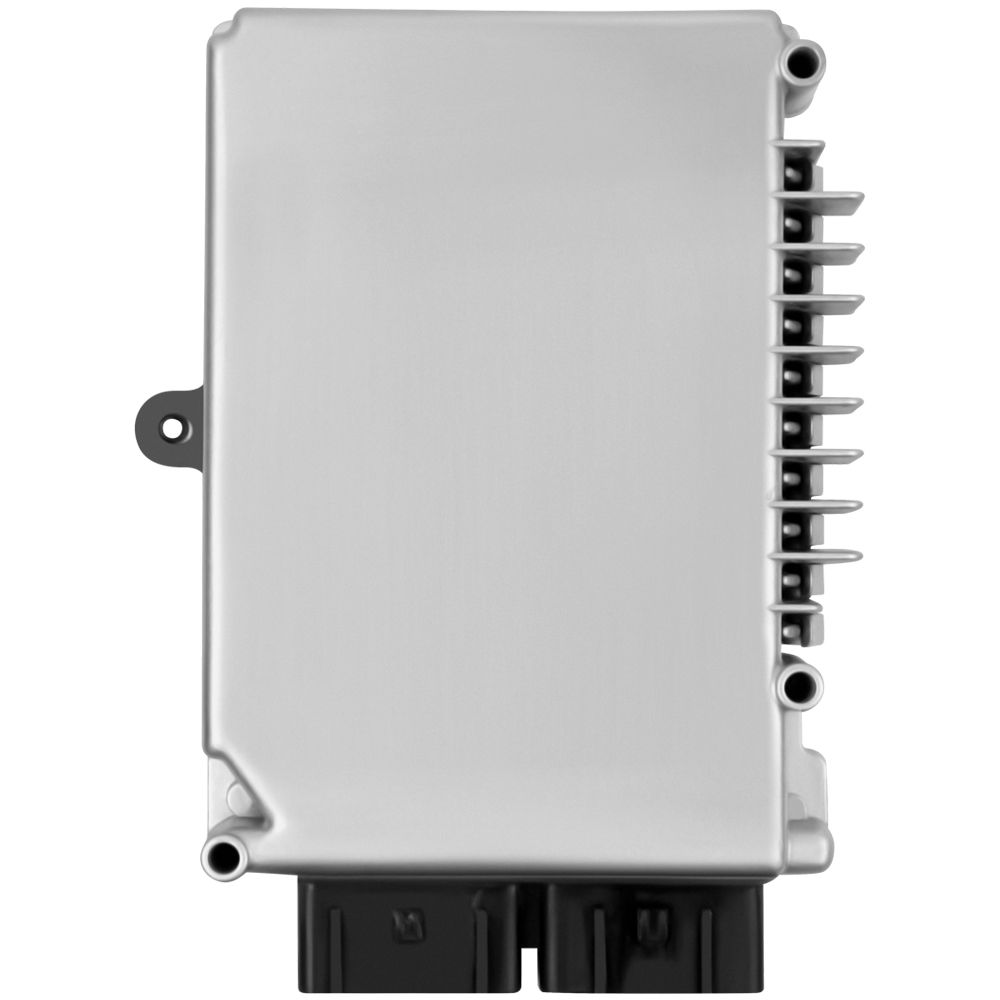
Flagship One stocks a refurbished, VIN-programmed PCM for the 1997 Chrysler Cirrus with a lifetime warranty, free shipping and no core charge. The full Chrysler Cirrus module lineup covers other engine configurations as well.
If your 1997 Chrysler Cirrus shows MIL codes or drivability issues, a proper PCM or ECM relearn—or a quality replacement—will help return the vehicle to smooth operation. Consider a Flagship One unit to simplify the process and keep your car reliable.