
Last updated on August 25th, 2026 at 12:54 pm
The Powertrain Control Module (PCM) in your 1998 Chrysler Cirrus manages fuel injection, ignition timing, and transmission shifts. Failures may cause erratic engine behavior, poor fuel economy, or complete stalls, often due to internal corrosion or voltage spikes.
If your 1998 Chrysler Cirrus has been stalling unexpectedly, refusing to start, or shifting gears erratically, the Powertrain Control Module (PCM) may be the culprit. This small but critical computer oversees everything from fuel delivery to transmission behavior, and when it fails, your vehicle’s performance suffers. Replacing it isn’t just about swapping a part—it involves careful handling, proper installation, and often, time-consuming programming to ensure the new unit communicates correctly with the engine and transmission. Understanding what the PCM does, where it’s located, and what to expect during replacement can save you frustration and unnecessary labor costs. Whether you’re diagnosing a persistent issue or preparing for a repair, knowing these details helps you make informed decisions about your Cirrus’s health and reliability.
The Powertrain Control Module (PCM) in your 1998 Chrysler Cirrus acts as the brain of the engine and transmission systems. It continuously monitors sensors for data like engine speed, air intake, and throttle position, then adjusts fuel injection, ignition timing, and shift points in real time. This coordination ensures smooth acceleration, optimal fuel efficiency, and compliance with emissions standards. Without a functioning PCM, your Cirrus may run poorly or not at all, as the engine and transmission lose their ability to adapt to driving conditions. Over time, exposure to heat, vibration, or voltage irregularities can degrade the module’s internal components, leading to intermittent or permanent failures. When replacement becomes necessary, choosing replacement engine computers for the Chrysler Cirrus ensures compatibility and avoids the hassle of manual programming after installation.
1998 Chrysler Cirrus
OEM programmed ECM for your 1998 Chrysler Cirrus — plug & play, no dealer visit.
Free shipping · Lifetime warranty
In the 1998 Chrysler Cirrus, the PCM is mounted inside the engine compartment, typically secured near the firewall or fender well for protection from road debris. Accessing it involves removing a few bolts or clips holding the protective cover in place, followed by disconnecting the wiring harness. The factory labor time for removing and reinstalling the PCM is 0.4 hours, which includes handling the connectors carefully to avoid damage. Once the old unit is out, the new PCM is positioned in the same location, and the wiring harness is reconnected. No special tools are required beyond basic hand tools, but ensuring a clean, tight connection is critical to prevent future electrical issues. The entire process is straightforward, but proper installation is key to avoiding post-replacement headaches.
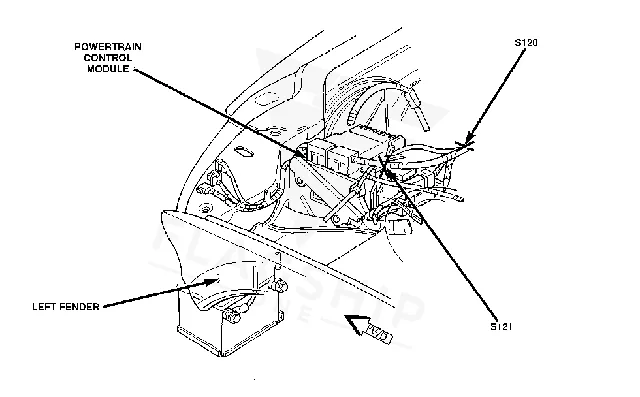
Work with the ignition off, and treat the module as static-sensitive: avoid touching the connector pins at any point.
| Operation | Configuration | Book Time |
|---|---|---|
| Powertrain Control Module Relearn | All configurations | 0.5 hr |
| Powertrain Control Module R&R | All configurations | 0.4 hr |
| Engine Control Module Relearn | All configurations | 0.5 hr |
| Engine Control Module R&R | All configurations | 0.4 hr |
After installing a new PCM in your 1998 Chrysler Cirrus, the factory procedure requires a relearn process to synchronize the module with the engine and transmission. This typically involves using a scan tool to reset adaptive values and may take up to 0.5 hours of additional labor. However, a VIN-programmed replacement unit arrives pre-configured to match your vehicle’s specifications, eliminating the need for this step. This not only saves time but also reduces the risk of programming errors that can occur during manual procedures. Flagship One’s units are flashed with the correct software before shipment, so you can install the module and drive without worrying about post-install calibration. This convenience is especially valuable for older vehicles like the Cirrus, where factory tools may be outdated or difficult to access.
A failing PCM in your 1998 Chrysler Cirrus can manifest in several ways, often mimicking other mechanical or electrical issues. One of the most common signs is a no-start condition, where the engine cranks but refuses to fire, as the PCM fails to deliver the correct fuel or spark signals. Stalling at idle or during acceleration is another frequent symptom, often accompanied by rough running or misfires. You may also notice the transmission shifting erratically or getting stuck in a single gear, as the PCM loses its ability to control shift points. Onboard diagnostics may trigger a memory integrity fault, indicating internal corruption within the module. Other warning signs include poor fuel economy, illuminated check engine lights, or even a complete loss of communication with a scan tool. If your Cirrus exhibits these behaviors, especially in combination, the PCM is a likely suspect and should be tested before pursuing more invasive repairs.
Chrysler issued several service bulletins addressing PCM-related issues in the 1998 Cirrus. Recall #803 (Rc-803-99) specifically targets California emissions vehicles, requiring the PCM to be preprogrammed to meet emissions standards. Another bulletin, #18-037-05, outlines procedures for recovering from flash programming failures using the DRBIII scan tool. These bulletins highlight the importance of proper programming and the risks of incomplete or corrupted software updates. If your Cirrus is experiencing symptoms after a PCM replacement or software update, these bulletins may provide guidance for resolving the issue.
| Bulletin | Subject | What It Addresses |
|---|---|---|
| — | Rc-803-99 California Emissions Recall #803 — Preprogram Powertrain Control Module | — |
| 18-037-05 | 18-037-05 Flash Programming Failure Recovery Using DRBIII® | — |
Stalling after a PCM replacement often indicates a programming issue or incomplete relearn procedure. The new module must synchronize with the engine and transmission, which typically requires a scan tool to reset adaptive values. If the unit wasn’t pre-programmed, this step may have been missed, leading to erratic behavior.
While the vehicle may still run, a P0601 code suggests the PCM’s internal memory is corrupted. This can lead to poor performance, stalling, or even a no-start condition. Driving with this code risks further damage, so it’s best to address it promptly.
Start by checking for power and ground at the PCM connector with a multimeter. If those are present, use a scan tool to see if the PCM communicates. No communication often points to a failed module, while intermittent issues may indicate wiring or connector problems.
Yes, the factory procedure requires a relearn process to calibrate the new PCM. However, a pre-programmed replacement unit eliminates this step, saving time and reducing the risk of errors during manual programming.
Basic hand tools like a socket set and screwdrivers are sufficient for removing the protective cover and disconnecting the wiring harness. A scan tool may be needed for post-install programming unless the replacement unit is pre-flashed.
If your 1998 Chrysler Cirrus is showing signs of PCM failure, you have options beyond costly dealership repairs. A refurbished replacement unit can restore functionality without the hassle of manual programming, especially if it arrives pre-configured for your vehicle. Given the age of the Cirrus, ensuring the new PCM is properly matched to your VIN avoids compatibility issues and saves labor time. Whether you’re tackling the job yourself or working with a shop, choosing the right replacement can make the difference between a smooth repair and ongoing headaches.
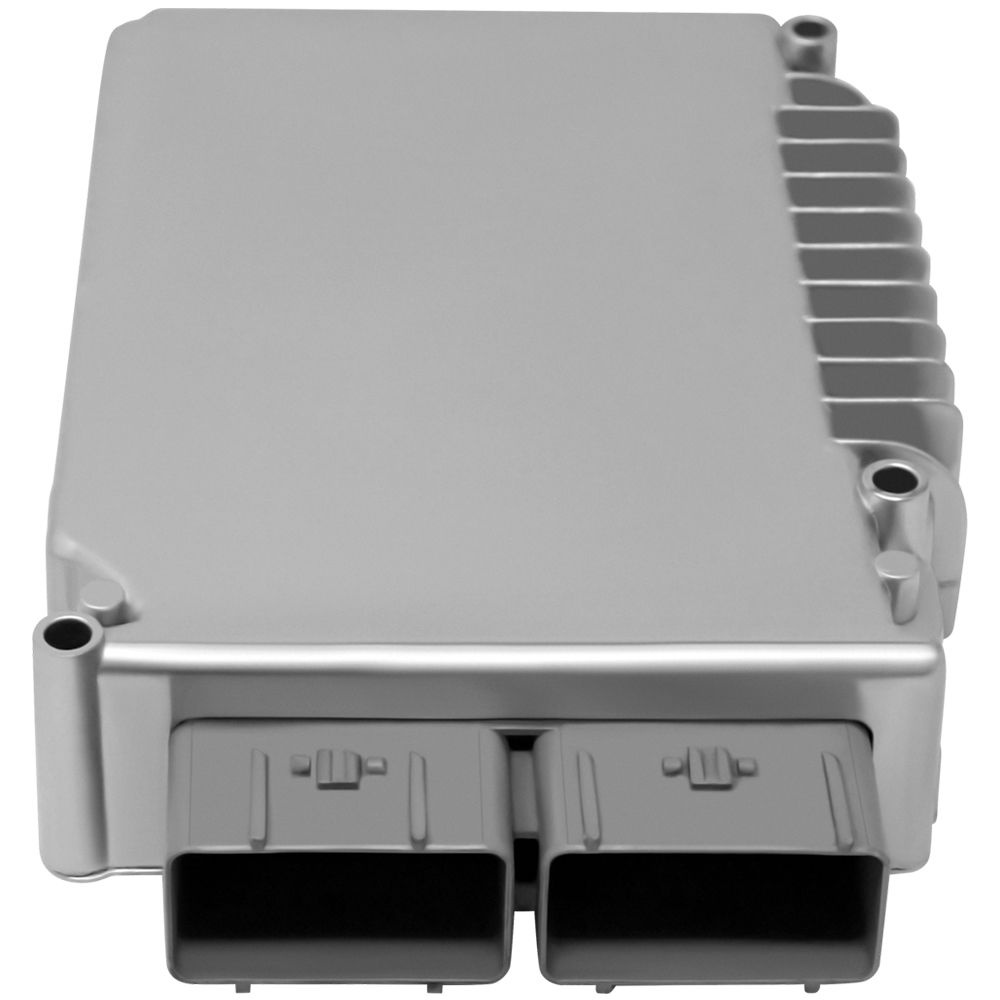
Flagship One stocks a refurbished, VIN-programmed PCM for the 1998 Chrysler Cirrus with a lifetime warranty, free shipping and no core charge. The full Chrysler Cirrus module lineup covers other engine configurations as well.
The 1998 Chrysler Cirrus relies on its PCM to keep the engine and transmission running smoothly, and when it fails, the symptoms can be frustrating. Replacing it doesn’t have to be complicated, especially if you opt for a pre-programmed unit that eliminates post-install calibration. By understanding the role of the PCM, recognizing failure signs, and following proper installation practices, you can restore your Cirrus’s reliability and avoid unnecessary repairs. If you’re ready to address the issue, a quality replacement module is the first step toward getting back on the road.