
Last updated on August 25th, 2026 at 01:02 pm
The powertrain control module (PCM) in the 2007 Mercury Monterey 4.2L is the central computer that manages engine and transmission functions. A faulty PCM can lead to drivability problems, no-start conditions, and communication loss with diagnostic tools.
When your 2007 Mercury Monterey begins exhibiting unexplained stalling, a refusal to start, or odd transmission behavior, the powertrain control module often becomes a prime suspect. This compact computer orchestrates nearly every aspect of your van’s engine and transmission operation, processing sensor data hundreds of times per second. A malfunctioning unit can mimic fuel pump failure, ignition trouble, or even a dead battery, leading to misdiagnosis and unnecessary parts replacement. Understanding what the PCM does, how it fails, and what a proper repair entails puts you in a better position to make informed decisions. This article walks you through the module’s role in your Monterey, the symptoms of a failing unit, the replacement process, and the critical programming steps that follow. You will also learn how a pre-programmed replacement can simplify the job and get your vehicle back on the road without a trip to the dealership.
The powertrain control module in your 2007 Mercury Monterey is the brain behind every combustion event and gear change. It continuously reads inputs from the crankshaft position sensor, throttle position sensor, mass airflow sensor, and dozens of other signals to calculate the ideal fuel mixture and spark timing. On the 4.2L V6, the PCM also manages the electronic throttle control, idle air bypass, and torque converter lockup schedule. When the module degrades, these calculations become unreliable. You may notice the engine surging at highway speeds, the transmission hunting for the correct gear, or the cooling fans running constantly. Because the PCM is integrated with the passive anti-theft system, a failing unit can also prevent the engine from cranking altogether. For a reliable repair, many owners turn to replacement PCMs for the Monterey that arrive already flashed with the correct vehicle calibration, eliminating the need for complex dealer-level programming.
2007 Mercury Monterey 4.2L
OEM programmed replacements — plug & play, no dealer visit.
Find yours by year, make & model →
Free shipping · Lifetime warranty
The PCM on the 2007 Mercury Monterey is located in the engine compartment, typically mounted near the firewall on the passenger side. Accessing the module requires disconnecting the battery, removing the electrical connectors, and unbolting the unit from its bracket. The book time for a straightforward powertrain control module removal and replacement is 0.5 hours. Once the new module is installed, the factory procedure calls for an additional 0.5 hours to perform the engine control module relearn, which allows the computer to adapt to the vehicle’s sensors and actuators. Similarly, a powertrain control module relearn is listed at 0.5 hours. These relearn procedures involve driving the vehicle under specific conditions or using a scan tool to reset adaptive memory. The total labor time for a complete swap and relearn is 0.5 hours for R&R plus 0.5 hours for the relearn, though a technician may combine steps. No special torque specifications or additional access steps are noted for this model.
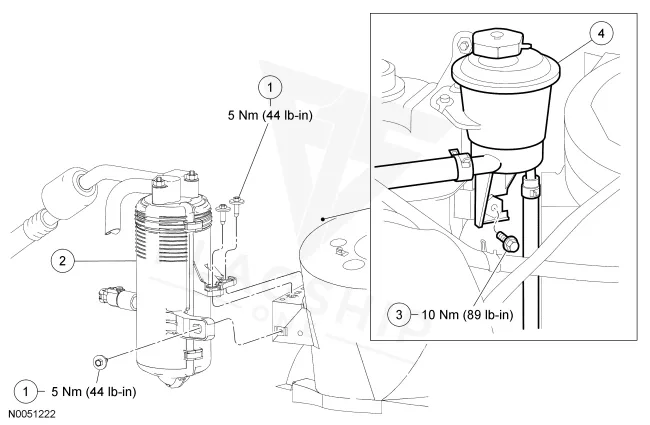
Work with the ignition off, and treat the module as static-sensitive: avoid touching the connector pins at any point.
| Operation | Configuration | Book Time |
|---|---|---|
| Engine Control Module Relearn | All configurations | 0.5 hr |
| Engine Control Module R&R | All configurations | 0.5 hr |
| Powertrain Control Module R&R | All configurations | 0.5 hr |
| Powertrain Control Module Relearn | All configurations | 0.5 hr |
After a new PCM is physically installed in your 2007 Mercury Monterey, the factory service procedure requires reprogramming the passive anti-theft system, commonly known as PATS. This security feature links the module to the vehicle’s ignition keys, and without it, the engine will crank but not start. The PATS initialization typically demands a Ford-specific scan tool and a security access code, which can mean a trip to the dealer. However, when you order a pre-programmed replacement unit, the module arrives with your VIN and PATS data already loaded. This eliminates the need for any additional anti-theft programming. The engine control module relearn and powertrain control module relearn procedures, each listed at 0.5 hours, are still recommended to allow the module to adapt to your specific engine and transmission characteristics, but the vehicle will start and run immediately after installation.
A failing PCM in a 2007 Mercury Monterey often produces symptoms that can be mistaken for other component failures. You may experience a crank-no-start condition where the engine turns over but never fires, often because the module is not triggering the fuel pump or ignition coils. Intermittent stalling, especially when the engine reaches operating temperature, is another common sign, as heat can cause failing internal circuits to open. The transmission may shift erratically, hold gears too long, or refuse to engage overdrive because the PCM controls shift solenoids. You might also notice the instrument cluster behaving strangely, with gauges sweeping or warning lights illuminating without cause. A dead scan-tool connection, where a diagnostic tool cannot communicate with the vehicle, frequently points to a PCM that has lost its communication capabilities. In some cases, the engine may run but with severely reduced power, as the module enters a protective limp mode.
A no-start condition combined with a lack of communication with a scan tool often points to a failed PCM rather than a programming issue. If the module still communicates but the engine runs poorly, a reprogram or relearn may resolve the problem. However, internal circuit failures, such as no 5-volt reference or injector driver faults, typically require replacement.
A used PCM will not function without extensive reprogramming. The module stores the vehicle’s VIN, PATS security data, and calibration specific to the 4.2L engine and transmission. Simply plugging in a junkyard unit will result in a no-start condition and possible communication errors until it is properly erased and reprogrammed with your vehicle’s information.
The factory relearn procedure involves two steps: an engine control module relearn and a powertrain control module relearn, each taking about 0.5 hours. These allow the new module to adapt to your specific sensors and actuators. Additionally, the passive anti-theft system must be programmed to recognize your keys, a step that is already completed when you purchase a VIN-programmed replacement module.
Yes, because the PCM controls transmission shift points, line pressure, and torque converter lockup. A failing module can cause harsh or delayed shifts, slipping, or the transmission to remain in limp mode. These symptoms often appear alongside engine performance issues, helping to distinguish a PCM fault from a purely mechanical transmission problem.
Driving with a failing PCM is risky because the module may cut engine power or cause sudden stalling without warning. This can leave you stranded or create a hazardous situation in traffic. It is best to diagnose and address the issue as soon as symptoms appear to avoid being left with an inoperable vehicle.
When your 2007 Mercury Monterey needs a new engine computer, you have two paths: source a factory unit and schedule dealer programming, or choose a pre-programmed module that arrives ready to install. The latter approach eliminates the need for PATS initialization and the associated labor costs, getting your van back on the road faster. Flagship One specializes in VIN-programmed PCMs that are plug-and-play for this model, so you can complete the job in your own garage with basic hand tools and minimal downtime.
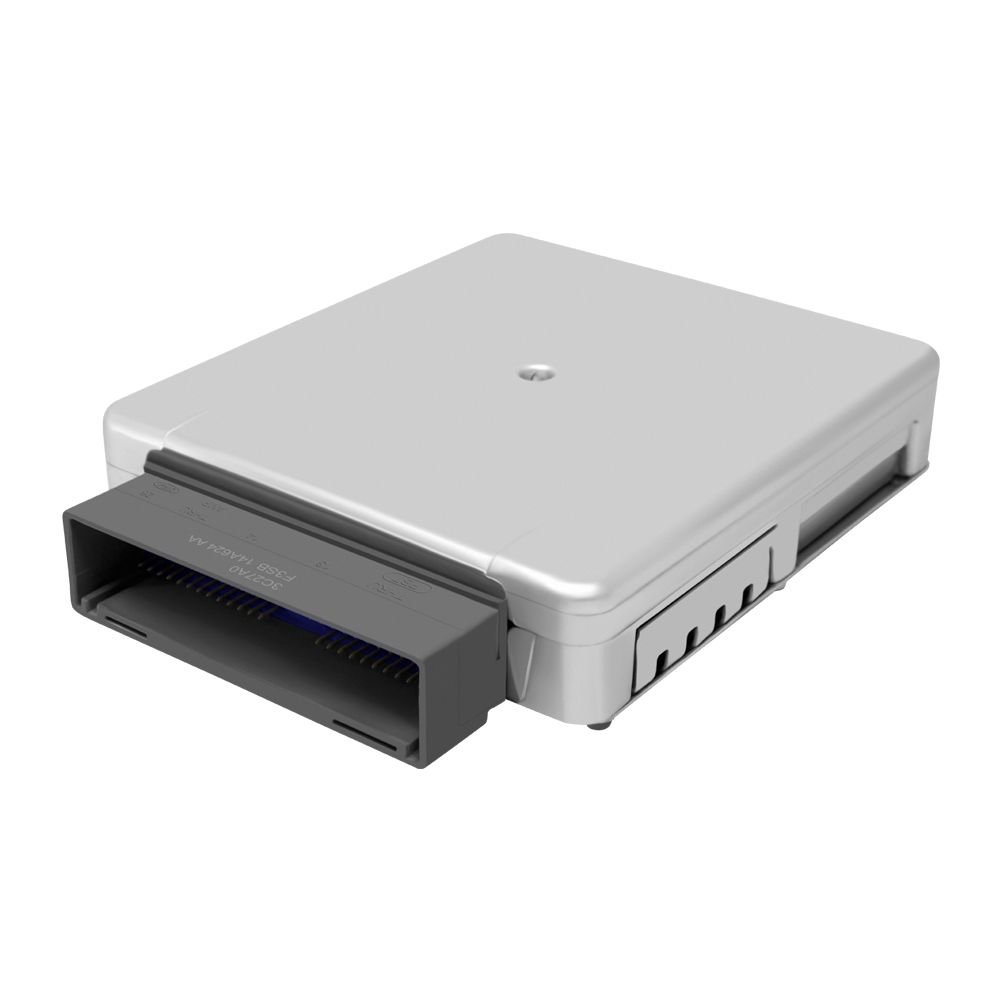
Flagship One stocks a refurbished, VIN-programmed PCM for the 2007 Mercury Monterey with a lifetime warranty, free shipping and no core charge. The full Mercury Monterey module lineup covers other engine configurations as well.
A failing PCM in a 2007 Mercury Monterey can bring your van to a standstill, but the repair does not have to be complicated. By understanding the symptoms, the straightforward replacement process, and the critical role of PATS programming, you can make a confident repair decision. A pre-programmed module removes the biggest hurdle, allowing you to restore your Monterey’s performance without a dealership visit.