
Last updated on August 25th, 2026 at 01:03 pm
In the 2005 Mercury Monterey, the powertrain control module and engine control module manage engine timing, fuel delivery, and transmission shifting. A failure typically disables communication with diagnostic tools, triggers fault codes, and can prevent the vehicle from starting or shifting correctly.
When a 2005 Mercury Monterey begins to exhibit erratic idle, loss of power, or unexpected transmission behavior, the underlying cause often points to the vehicle’s control modules. Understanding how the powertrain control module (PCM) and engine control module (ECM) work together can help you decide whether a repair or replacement is the right path. This guide explains the role of each module in this specific model, where the components are located, the labor involved in removal and installation, and the programming steps required after a swap. You will also see the common symptoms that signal a malfunction, the factory service bulletins that address known issues, and practical steps to protect the modules going forward. By the end, you should feel confident evaluating the condition of your Monterey’s electronic brain and choosing the best solution for reliable performance.
2005 Mercury Monterey
OEM programmed ECM for your 2005 Mercury Monterey — plug & play, no dealer visit.
Free shipping · Lifetime warranty
The powertrain control module in a 2005 Mercury Monterey acts as the central computer that coordinates engine output and transmission operation. It receives input from a network of sensors, calculates optimal fuel and spark timing, and commands the transmission to shift at the right moments. The engine control module performs similar calculations focused on combustion, managing injector pulse width, ignition timing, and emissions controls. Together, these modules ensure smooth acceleration, fuel efficiency, and compliance with emission standards. When either module fails, the vehicle may lose driveability, trigger diagnostic trouble codes, or refuse to start. Understanding the interaction between the PCM and ECM is essential when diagnosing issues, because a fault in one often masks symptoms in the other. Replacement modules for this model are typically sourced as Mercury Monterey ECM replacement units that match the factory specifications and software version.
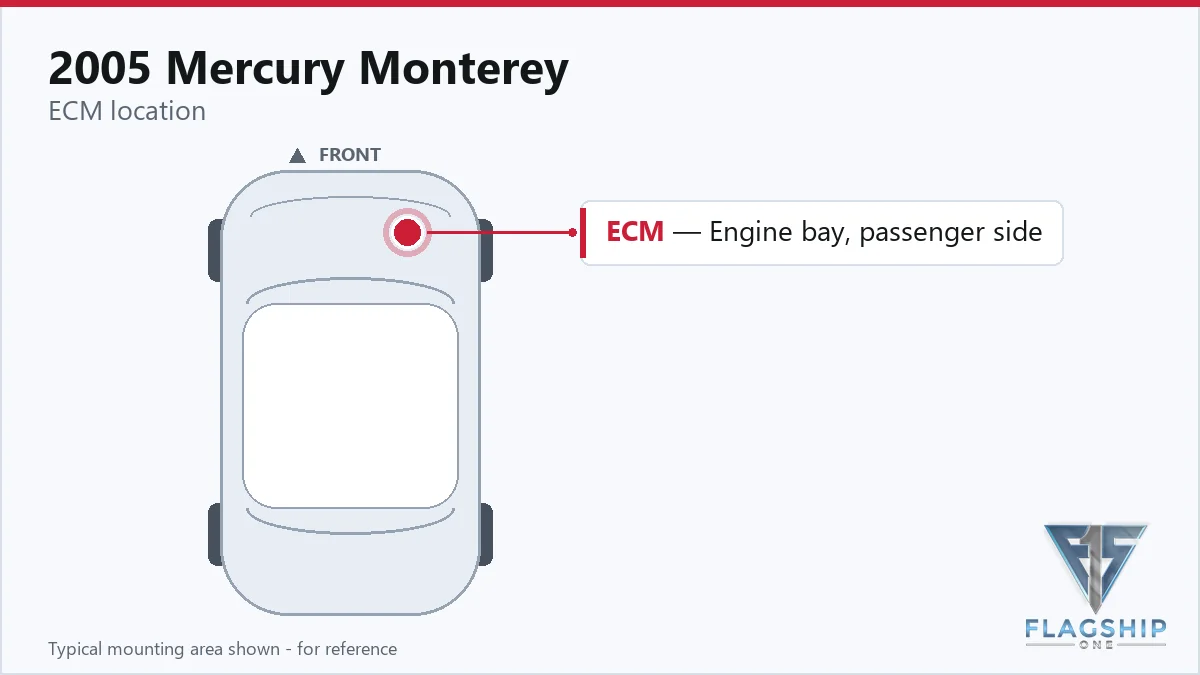
Work with the ignition off, and treat the module as static-sensitive: avoid touching the connector pins at any point.
| Operation | Configuration | Book Time |
|---|---|---|
| Engine Control Module Relearn | All configurations | 0.5 hr |
| Engine Control Module R&R | All configurations | 0.5 hr |
| Powertrain Control Module R&R | All configurations | 0.5 hr |
| Powertrain Control Module Relearn | All configurations | 0.5 hr |
Following a PCM or ECM swap in the Monterey, the factory calls for a passive anti‑theft system (PATS) reprogramming to align the new unit with the vehicle’s VIN. Flagship One supplies each unit already programmed to the correct VIN, so the PATS step is effectively completed at delivery. In addition, a relearn of the control module parameters is required, which matches the 0.5‑hour relearn time noted in the labor guide. This ensures the replacement unit communicates correctly with the vehicle’s sensors and actuators. The process is streamlined because the replacement arrives as a VIN-programmed replacement unit ready for immediate installation.
A failing PCM or ECM in a 2005 Mercury Monterey often manifests as a complete no‑start condition, rough idle, or intermittent loss of power. Drivers may notice the check engine light flashing and experience unexpected transmission shifts or a failure to engage gears. Diagnostic scans frequently reveal communication errors, and the vehicle may store a P0601 communication fault that points directly to a control module issue. Other signs include random stalling, poor fuel economy, and the inability to clear trouble codes without replacing the module. These symptoms arise because the modules are unable to process sensor data or command actuators, effectively disconnecting the engine’s electronic management system.
Factory service information includes TSB 04‑12‑05, which addresses a diagnostic trouble code C1991 related to module calibration failure in the anti‑lock brake, advanced traction, and interactive vehicle dynamics systems. The bulletin provides a service tip for correcting the calibration issue and may be referenced when troubleshooting related traction control problems.
| Bulletin | Subject | What It Addresses |
|---|---|---|
| 04-12-05 | ANTI-LOCK BRAKE, ADVANCED TRAC, INTERACTIVE VEHICLE DYNAMICS (IVD), TRACTION CONTROL SYSTEM – D | — |
The factory book lists 0.5 hours for removal and another 0.5 hours for installation, plus an additional 0.5 hours for the required relearn procedure.
Factory guidance calls for a passive anti‑theft system reprogram, but Flagship One units arrive pre‑programmed to the vehicle’s VIN, eliminating the need for extra tools.
Yes, because the PCM controls shift timing, a malfunction can result in harsh or delayed shifts, or the transmission may stay in a single gear.
The bulletin focuses on a calibration failure in the brake and traction systems, which can be linked to PCM communication issues, so it may be consulted during diagnosis.
A properly refurbished unit that meets factory specifications can perform equivalently, provided it is VIN‑programmed and installed following the same procedures.
When the control module in your 2005 Mercury Monterey shows signs of failure, you have the option of a brand‑new OEM replacement or a professionally refurbished unit that meets the same specifications. Both choices require the same labor and relearn steps, but a refurbished part can offer cost savings while delivering comparable performance when sourced from a reputable supplier.
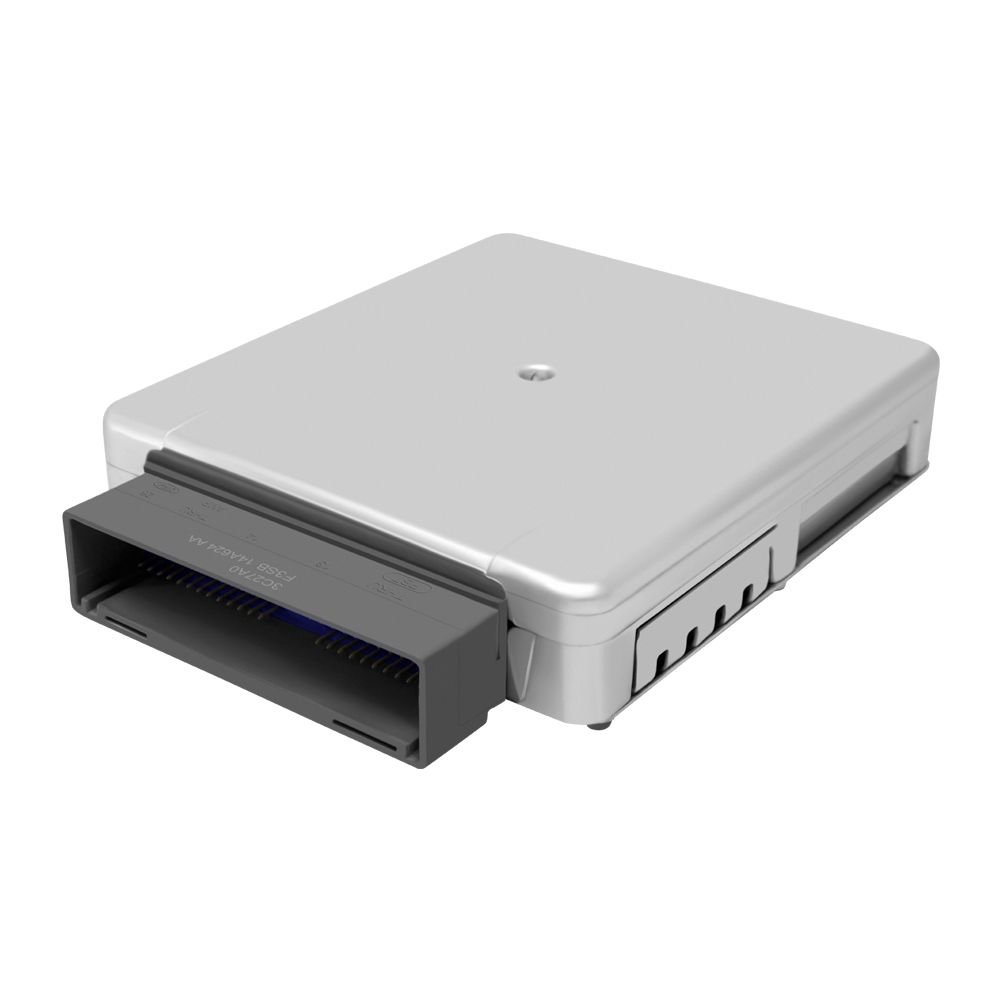
Flagship One stocks a refurbished, VIN-programmed PCM for the 2005 Mercury Monterey with a lifetime warranty, free shipping and no core charge. The full Mercury Monterey module lineup covers other engine configurations as well.
The powertrain and engine control modules are vital to the operation of your 2005 Mercury Monterey. Whether you choose a new or refurbished replacement, proper installation and programming will restore reliable performance and keep your vehicle running smoothly.