
Last updated on August 25th, 2026 at 01:02 pm
The powertrain control module (PCM) in your 2006 Mercury Monterey manages engine performance, transmission shifting, and emissions systems. A failing PCM may cause no-start conditions, erratic idling, or transmission hesitation, often triggered by voltage spikes or corrosion.
If your 2006 Mercury Monterey has been acting up—stalling at stops, refusing to start, or throwing cryptic engine codes—the powertrain control module (PCM) may be the culprit. This small but critical computer oversees everything from fuel delivery to transmission shifts, and when it fails, your minivan’s drivability suffers. Replacing it isn’t just about swapping a box under the hood; the new module must be programmed to recognize your vehicle’s unique settings. Without proper programming, even a new PCM won’t communicate with the engine or transmission, leaving you stranded. Understanding the process—from labor times to relearn steps—helps you avoid unnecessary dealer visits and ensures your Monterey runs as smoothly as it did when it left the factory. Whether you’re diagnosing a no-start issue or preparing for a replacement, knowing what to expect puts you in control of the repair.
The powertrain control module (PCM) in your 2006 Mercury Monterey acts as the brain of the engine and transmission, constantly adjusting fuel injection, ignition timing, and shift points to keep the vehicle running efficiently. It monitors sensors throughout the engine bay, interpreting data to optimize performance and emissions. When the PCM fails, you may notice the engine misfiring, the transmission shifting erratically, or the vehicle entering a limp-home mode to prevent further damage. Because the PCM also interfaces with the passive anti-theft system (PATS), a malfunction can leave you with a no-start condition, even if the engine turns over. Replacing the module isn’t just about restoring function; it’s about ensuring the new unit can communicate with the rest of the vehicle’s systems. For the 2006 Monterey, replacement engine control modules for the Mercury Monterey are designed to plug directly into the factory harness, but they must be programmed to match your VIN to avoid compatibility issues. Without this step, the PCM won’t recognize the vehicle’s configuration, leading to further drivability problems.
2006 Mercury Monterey
OEM programmed replacements — plug & play, no dealer visit.
Find yours by year, make & model →
Free shipping · Lifetime warranty
The PCM in your 2006 Mercury Monterey is located in the engine bay, typically mounted on the passenger-side fender well or near the firewall. Accessing it requires removing a protective cover or air intake duct, depending on the vehicle’s configuration. The replacement process involves disconnecting the battery, unplugging the wiring harness from the old module, and removing any mounting bolts. Once the old PCM is out, the new unit is installed in its place, and the harness is reconnected. Labor guides estimate this procedure takes about 0.5 hours for removal and reinstallation. After the physical swap, the module must undergo a relearn procedure to synchronize with the engine and transmission. This step is critical, as the PCM won’t function correctly without it. The relearn process also typically takes 0.5 hours, bringing the total labor time to around an hour if no additional issues are encountered.
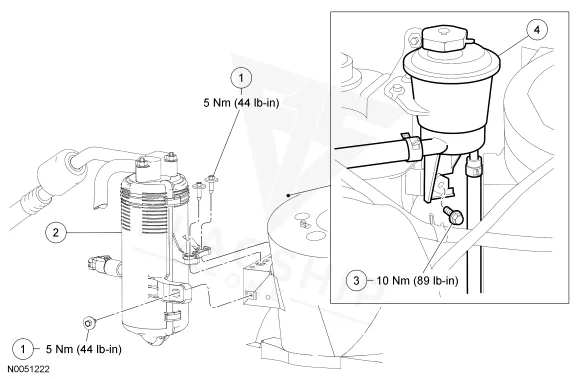
Work with the ignition off, and treat the module as static-sensitive: avoid touching the connector pins at any point.
| Operation | Configuration | Book Time |
|---|---|---|
| Powertrain Control Module R&R | All configurations | 0.5 hr |
| Powertrain Control Module Relearn | All configurations | 0.5 hr |
| Engine Control Module Relearn | All configurations | 0.5 hr |
| Engine Control Module R&R | All configurations | 0.5 hr |
After installing a new PCM in your 2006 Mercury Monterey, the factory procedure requires reprogramming the module to match your vehicle’s VIN and configuration. This step ensures the PCM can communicate with the engine, transmission, and passive anti-theft system (PATS). Without reprogramming, the vehicle may not start or could run poorly due to mismatched settings. The process often involves using specialized dealer-level software to upload the correct calibration files, which can take additional time and expense. However, a VIN-programmed replacement unit from Flagship One arrives ready to install, eliminating the need for this step. Since the module is already programmed to your vehicle’s specifications, you can skip the dealer visit and get back on the road faster. This pre-programming includes the PATS initialization, so the anti-theft system recognizes the new PCM without further intervention.
A failing PCM in your 2006 Mercury Monterey can manifest in several ways, often mimicking other mechanical or electrical issues. One of the most common signs is a no-start condition, where the engine cranks but refuses to fire. This may be accompanied by a security light on the dashboard, indicating a problem with the passive anti-theft system (PATS), which the PCM controls. You might also experience stalling or rough idling, particularly at low speeds or when coming to a stop. Misfires are another frequent symptom, often triggering a checksum error in the control module that logs as a trouble code. The transmission may shift erratically or get stuck in a single gear, as the PCM also governs shift points and torque converter lockup. In some cases, the vehicle may enter a limp-home mode, limiting engine power to prevent further damage. Scan tool communication issues are another red flag; if the PCM isn’t responding to diagnostic requests, it may have failed completely. Less obvious symptoms include poor fuel economy, hesitation during acceleration, or even intermittent electrical gremlins like flickering dashboard lights. Because the PCM controls so many systems, diagnosing its failure requires ruling out other potential causes, such as faulty sensors or wiring issues.
Stalling after a PCM replacement often indicates the module wasn’t properly programmed to your vehicle’s VIN. The PCM must synchronize with the engine, transmission, and anti-theft system to function correctly. If the relearn procedure wasn’t completed, the vehicle may run poorly or stall. A pre-programmed unit eliminates this issue by arriving ready to install.
Driving with a failing PCM is risky. The vehicle may stall unexpectedly, enter limp-home mode, or refuse to start. In some cases, a bad PCM can cause the engine to run too rich or too lean, potentially damaging the catalytic converter. If you suspect PCM issues, it’s best to address them promptly to avoid further damage.
A bad PCM often sets multiple trouble codes across different systems, such as engine misfires, transmission issues, and anti-theft faults. If the scan tool can’t communicate with the PCM at all, the module itself may have failed. Sensor issues typically trigger codes specific to that sensor, rather than a broad range of unrelated faults.
Without the relearn procedure, the new PCM won’t recognize the vehicle’s configuration, leading to poor performance, stalling, or a no-start condition. The anti-theft system may also remain active, preventing the engine from starting. The relearn process ensures the PCM synchronizes with the engine, transmission, and PATS.
Replacing the PCM is a straightforward process, but it requires careful handling to avoid damaging the module or connectors. If you’re comfortable working with electrical components and have basic tools, you can perform the swap yourself. However, the relearn procedure may require specialized equipment or a dealer visit unless you use a pre-programmed unit.
If your 2006 Mercury Monterey is experiencing PCM-related issues, you have two main options: repair or replace. While some shops may attempt to reflash or repair the existing module, this approach doesn’t always address underlying hardware failures. A new or refurbished replacement PCM ensures reliability, especially when pre-programmed to your VIN. This eliminates the need for dealer reprogramming and reduces the risk of compatibility issues, getting your minivan back on the road faster.
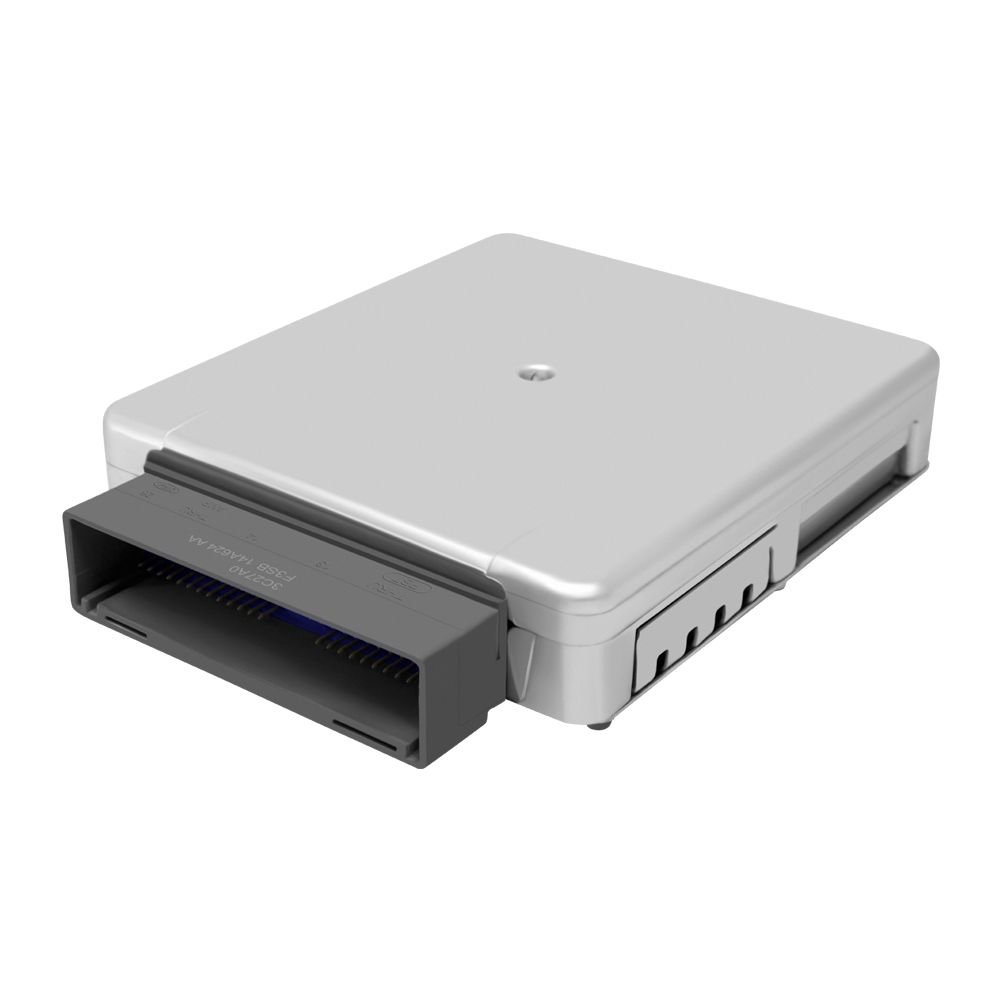
Flagship One stocks a refurbished, VIN-programmed PCM for the 2006 Mercury Monterey with a lifetime warranty, free shipping and no core charge. The full Mercury Monterey module lineup covers other engine configurations as well.
The powertrain control module in your 2006 Mercury Monterey plays a critical role in keeping the engine and transmission running smoothly. When it fails, symptoms like stalling, misfires, or a no-start condition can leave you stranded. Replacing the PCM is a manageable task, but it requires proper programming to ensure the new module works correctly. By choosing a pre-programmed unit, you can skip the dealer visit and avoid the hassle of relearn procedures. Whether you’re diagnosing a persistent issue or preparing for a replacement, understanding the process helps you make informed decisions about your vehicle’s care.