
Last updated on August 25th, 2026 at 01:02 pm
The powertrain control module (PCM) in your 2007 Mercury Mariner manages engine performance and transmission behavior. Failures often trigger drivability issues like stalling, misfires, or a complete no-start condition, typically accompanied by warning lights on the dashboard.
If your 2007 Mercury Mariner has been acting up—stalling at stoplights, refusing to start, or throwing cryptic warning lights—it may be time to consider the powertrain control module (PCM). This small but critical computer oversees everything from fuel injection to transmission shifts, and when it fails, your vehicle’s performance suffers. Replacing the PCM isn’t just about swapping a part; it involves precise programming to ensure the engine and transmission communicate correctly. Without proper setup, even a new module won’t solve the problem. Understanding the process helps you avoid unnecessary delays or repeat repairs. You’ll learn what the PCM actually does, where it’s located, and why reprogramming is non-negotiable. Most importantly, you’ll see how a pre-programmed replacement can save time and frustration, getting your Mariner back on the road with minimal hassle.
The powertrain control module in your 2007 Mercury Mariner acts as the brain for both the engine and transmission. It constantly monitors sensors to adjust fuel delivery, ignition timing, and shift points, ensuring smooth acceleration and optimal fuel economy. When the PCM fails, you might notice hesitation during acceleration, rough idling, or even a complete loss of power. The module also interacts with the passive anti-theft system (PATS), which prevents the engine from starting if the key isn’t recognized. This dual role means a faulty PCM can leave you stranded, not just with poor performance but with a vehicle that won’t start at all. Replacing it requires more than just physical installation; the new unit must be programmed to match your Mariner’s specific configuration. Many owners overlook this step, only to find their vehicle still misbehaving. A properly installed and programmed replacement PCM for the Mercury Mariner ensures all systems communicate as intended, restoring reliability and drivability.
2007 Mercury Mariner
OEM programmed ECM for your 2007 Mercury Mariner — plug & play, no dealer visit.
Free shipping · Lifetime warranty
In the 2007 Mercury Mariner, the powertrain control module is mounted on the passenger side of the engine compartment, near the firewall. Accessing it requires removing a protective cover, which may involve unbolting a few fasteners. Once exposed, the module is secured with a single connector and mounting bolts. Replacement involves disconnecting the battery, unplugging the wiring harness, and removing the old unit. The new PCM is then installed in its place, with the connector reattached and bolts tightened to the manufacturer’s specifications. Labor times for this procedure are typically 0.3 hours for removal and reinstallation, plus an additional 0.5 hours for the required relearn process. The engine control module (ECM) relearn, if needed, adds another 0.5 hours, while ECM replacement itself takes 0.6 hours. These times don’t include programming, which is handled separately.
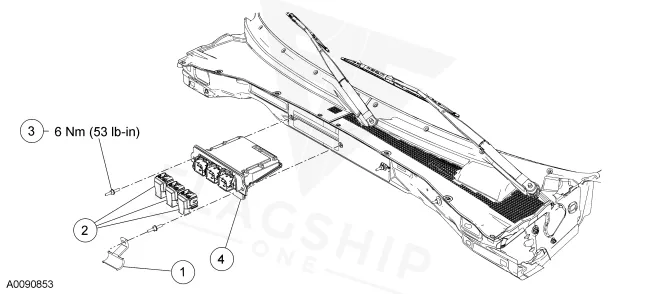
Work with the ignition off, and treat the module as static-sensitive: avoid touching the connector pins at any point.
| Operation | Configuration | Book Time |
|---|---|---|
| Engine Control Module Relearn | All configurations | 0.5 hr |
| Engine Control Module R&R | All configurations | 0.6 hr |
| Powertrain Control Module R&R | All configurations | 0.3 hr |
| Powertrain Control Module Relearn | All configurations | 0.5 hr |
After installing a new powertrain control module in your 2007 Mercury Mariner, the factory procedure requires reprogramming the passive anti-theft system (PATS) and the customer’s keys. This step ensures the vehicle recognizes the keys and allows the engine to start. Without this programming, the Mariner may crank but fail to run, or it may not start at all. The process typically involves using specialized diagnostic equipment to sync the new module with the vehicle’s security system. However, if you opt for a VIN-programmed replacement unit, these steps are already completed before the module arrives. This eliminates the need for additional programming at the shop, saving time and reducing the risk of errors. While the labor for the physical installation is minimal, the programming requirements make it essential to choose a replacement that’s ready to go out of the box.
A failing powertrain control module in your 2007 Mercury Mariner can cause a range of symptoms, some subtle and others impossible to ignore. You might first notice the engine stalling at idle or during deceleration, as if the fuel supply is being cut off unexpectedly. Acceleration may feel sluggish or hesitant, with the transmission shifting erratically or getting stuck in one gear. In some cases, the vehicle may refuse to start altogether, cranking but never firing up. Warning lights, such as the check engine or transmission light, often illuminate on the dashboard, accompanied by trouble codes stored in the system. Common codes include internal control module memory checksum error, which indicates a fault within the PCM itself. Other symptoms may include poor fuel economy, rough idling, or even intermittent loss of power steering or other electrical systems. If your Mariner exhibits any of these issues, it’s worth having the PCM scanned for trouble codes, as they can pinpoint whether the module is the root cause or if another component is to blame.
The relearn procedure resets the powertrain control module’s adaptive memory, allowing it to recalibrate to your engine’s current condition. Without this step, the Mariner may run poorly or set additional trouble codes, as the new PCM won’t have learned your driving habits or engine wear patterns.
While it’s sometimes possible to drive with a failing PCM, it’s not recommended. Symptoms like stalling, misfires, or transmission issues can worsen over time, potentially leaving you stranded. A faulty PCM may also cause long-term damage to other components, such as the catalytic converter, due to improper fuel mixtures.
A scan tool can help distinguish between the two by reading trouble codes. If the codes point to multiple sensors failing simultaneously or indicate an internal PCM fault (like P0601), the module itself is likely the problem. Sensor issues typically trigger codes specific to that component, rather than a broad range of faults.
Yes, the factory procedure requires reprogramming the passive anti-theft system (PATS) and the customer’s keys after PCM replacement. This ensures the vehicle recognizes the keys and allows the engine to start. Skipping this step may result in a no-start condition, even with a new module installed.
Without the relearn procedure, the new PCM won’t adapt to your engine’s specific characteristics, such as fuel trims or transmission shift patterns. This can lead to poor performance, reduced fuel economy, and potential drivability issues like rough idling or erratic shifting. The vehicle may also set additional trouble codes, triggering warning lights on the dashboard.
When your 2007 Mercury Mariner’s powertrain control module fails, you have two main options: repair the existing unit or replace it with a refurbished module. Repairing the PCM may be cost-effective for minor issues, but it often doesn’t address underlying problems like internal corrosion or software glitches. A refurbished replacement, on the other hand, offers a fresh start with updated software and tested hardware. For the Mariner, this means a unit that’s already programmed to your VIN, eliminating the need for additional shop time. Whether you’re dealing with a no-start condition or persistent drivability issues, a properly programmed replacement can restore your vehicle’s reliability without the guesswork.
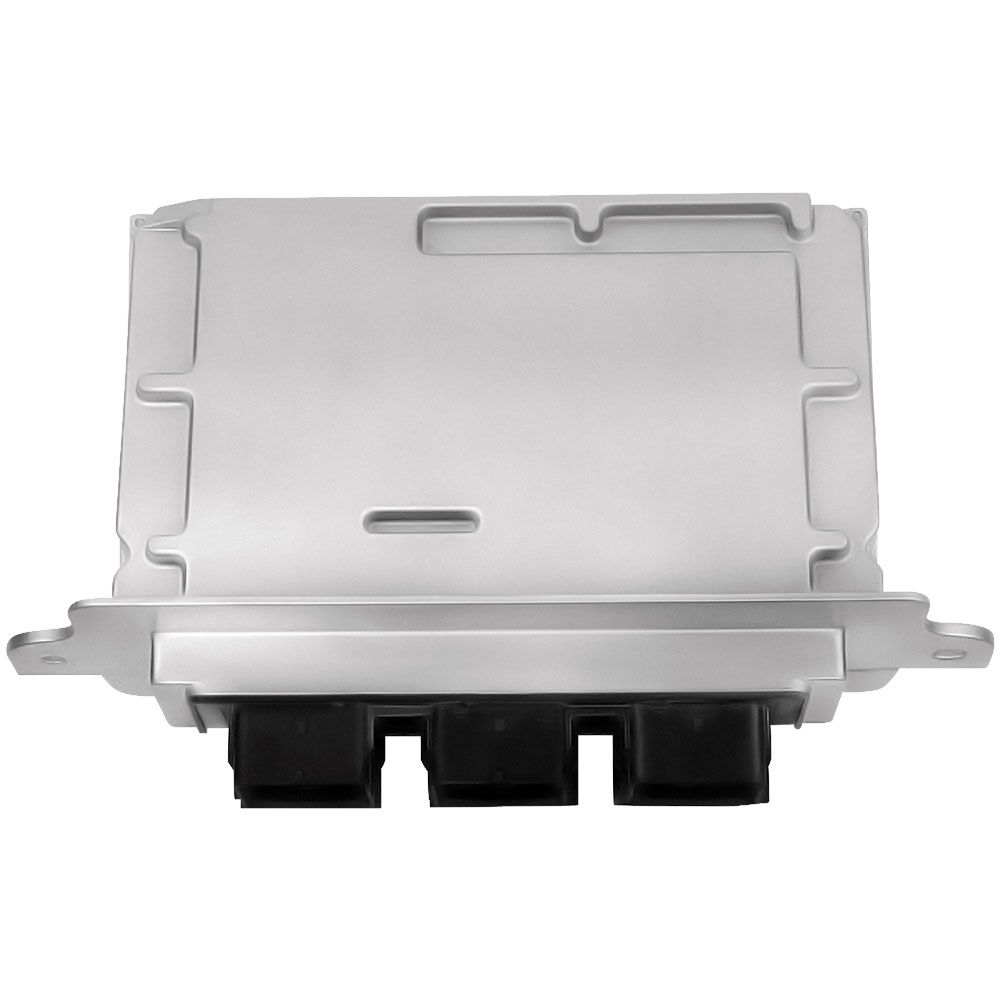
Flagship One stocks a refurbished, VIN-programmed PCM for the 2007 Mercury Mariner with a lifetime warranty, free shipping and no core charge. The full Mercury Mariner module lineup covers other engine configurations as well.
A failing powertrain control module in your 2007 Mercury Mariner can turn a dependable SUV into an unreliable headache. Recognizing the symptoms early—like stalling, misfires, or a no-start condition—can save you time and frustration. Replacing the PCM involves more than just swapping parts; it requires precise programming to ensure the engine and transmission work together seamlessly. With a pre-programmed replacement, you can skip the extra steps and get back on the road faster. If your Mariner is showing signs of PCM trouble, addressing it promptly will help maintain its performance and longevity.