
Last updated on August 25th, 2026 at 12:20 pm
The Powertrain Control Module (PCM) in your 2005 Mercury Mariner manages engine performance and transmission behavior. Failures often trigger warning lights, erratic shifting, or a complete no-start condition due to corrupted data or electrical faults.
If your 2005 Mercury Mariner is experiencing unexplained stalling, rough idling, or a refusal to start, the Powertrain Control Module (PCM) may be the culprit. This critical component acts as the brain of your vehicle’s engine and transmission, regulating everything from fuel injection to shift timing. When it fails, symptoms can range from subtle performance issues to complete immobilization. Understanding the role of the PCM, how to replace it, and what steps follow installation can save you time and frustration. This guide covers the essentials—labor times, programming requirements, and common failure signs—so you can approach the repair with confidence. Whether you’re a DIY enthusiast or relying on a shop, knowing these details ensures a smoother process and helps you avoid unnecessary complications.
The Powertrain Control Module (PCM) in your 2005 Mercury Mariner is a combined engine and transmission control unit. It continuously monitors sensor data—like throttle position, oxygen levels, and engine speed—to adjust fuel delivery, ignition timing, and shift points for optimal performance. A failing PCM may cause the engine to run rich or lean, trigger erratic transmission behavior, or prevent the vehicle from starting altogether. Because the PCM also interfaces with the passive anti-theft system (PATS), a malfunction can mimic security-related issues, such as a no-crank condition. When replacement becomes necessary, replacement engine control modules for the Mariner are designed to restore factory-level functionality, but they must be properly programmed to match your vehicle’s VIN and configuration. Without this step, the module won’t communicate with the engine or transmission, leaving you stranded.
2005 Mercury Mariner
OEM programmed ECM for your 2005 Mercury Mariner — plug & play, no dealer visit.
Free shipping · Lifetime warranty
In the 2005 Mercury Mariner, the PCM is located in the engine bay, typically mounted near the firewall or on the passenger-side fender well. Accessing it involves removing a protective cover or air intake duct, depending on the vehicle’s configuration. Replacing the module itself is straightforward, with labor times ranging from 0.3 to 0.6 hours, depending on whether you’re swapping the PCM or the Engine Control Module (ECM). The Powertrain Control Module R&R procedure is quicker (0.3 hours), while the ECM replacement may take slightly longer (0.6 hours). After installation, the module must be relearned to the vehicle, a process that adds another 0.5 hours of labor. This step ensures the PCM synchronizes with the engine’s sensors and the transmission, preventing drivability issues like harsh shifts or poor fuel economy.
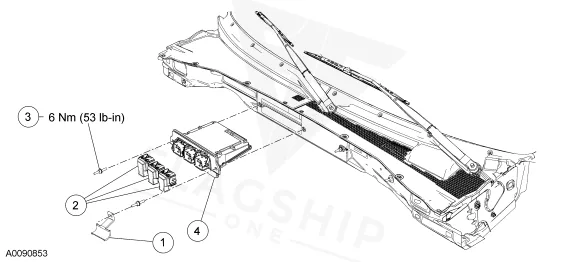
Work with the ignition off, and treat the module as static-sensitive: avoid touching the connector pins at any point.
| Operation | Configuration | Book Time |
|---|---|---|
| Engine Control Module Relearn | All configurations | 0.5 hr |
| Engine Control Module R&R | All configurations | 0.6 hr |
| Powertrain Control Module R&R | All configurations | 0.3 hr |
| Powertrain Control Module Relearn | All configurations | 0.5 hr |
After replacing the PCM in your 2005 Mercury Mariner, the factory procedure requires a relearn process to synchronize the module with the vehicle’s systems. This typically involves using a scan tool to reset adaptive values and reprogram the passive anti-theft system (PATS). The relearn procedure adds 0.5 hours of labor, but it’s a critical step—skipping it may result in a no-start condition or erratic engine behavior. Flagship One units arrive as a VIN-programmed replacement unit, meaning the PATS and other vehicle-specific calibrations are pre-loaded. This eliminates the need for additional programming, allowing you to install the module and drive away without further steps. However, if you’re using a non-programmed unit, you’ll need to follow the full relearn procedure to ensure proper functionality.
A failing PCM in your 2005 Mercury Mariner may exhibit a range of symptoms, often starting with subtle performance issues before escalating to more severe problems. Common signs include intermittent stalling, especially at idle or during deceleration, as the module struggles to maintain consistent fuel delivery. You might also notice the engine running rough, misfiring, or hesitating under acceleration, which can trigger diagnostic trouble codes like ignition coil primary circuit faults. In some cases, the transmission may shift erratically or fail to engage gears properly, as the PCM controls shift timing and torque converter lockup. A complete no-start condition is another possibility, particularly if the module loses communication with the anti-theft system or fails to send signals to the fuel pump and ignition coils. Scan tool connectivity issues—where the PCM doesn’t respond to commands—can also indicate a failing module. If you’re experiencing any of these symptoms, it’s worth checking for trouble codes, as they can help pinpoint whether the PCM or another component is at fault.
Ford issued a service bulletin (#10-18-10) addressing a specific issue in 3.0L engines built on or before October 3, 2005. The bulletin covers multiple cylinder misfire codes (P0351 through P0356), which may indicate problems with the ignition coil primary circuit rather than the PCM itself. While this bulletin doesn’t directly involve the 2.3L engine in your Mariner, it highlights the importance of diagnosing coil-related faults before assuming the PCM is at fault. If your vehicle exhibits similar misfire codes, inspecting the ignition coils and wiring should be part of the troubleshooting process.
| Bulletin | Subject | What It Addresses |
|---|---|---|
| 10-18-10 | 3.0L ENGINE – BUILT ON OR BEFORE 10/03/2005 – MIL ON WITH DTC P0351 THROUGH P0356 – MULTIPLE CO | — |
If your Mariner cranks but doesn’t start after a PCM replacement, the module may not be properly programmed to the vehicle’s VIN or anti-theft system. A relearn procedure is typically required to synchronize the PCM with the engine and transmission. If the unit wasn’t pre-programmed, you’ll need to follow the factory procedure to restore functionality.
Driving with a failing PCM is risky, as it can lead to unpredictable engine behavior, stalling, or transmission issues. In some cases, the vehicle may not start at all. If you notice symptoms like misfires, rough idling, or warning lights, it’s best to address the issue promptly to avoid further damage or a breakdown.
Diagnosing a bad PCM involves checking for trouble codes, testing sensor inputs, and verifying power and ground connections. If the PCM isn’t communicating with a scan tool or logs internal faults, it’s likely the issue. However, problems like misfires or no-start conditions can also stem from ignition coils, fuel pumps, or wiring, so thorough testing is essential.
In your Mariner, the PCM (Powertrain Control Module) combines engine and transmission control functions, while the ECM (Engine Control Module) focuses solely on engine management. The PCM is the more comprehensive unit, handling shift timing, torque converter lockup, and other drivetrain functions in addition to fuel and ignition control.
A battery replacement alone doesn’t require PCM reprogramming, but disconnecting the battery can reset adaptive values stored in the module. This may cause temporary drivability issues, like rough idling or harsh shifts, until the PCM relearns the vehicle’s operating parameters. Using a scan tool to reset these values can help restore smooth operation faster.
If your 2005 Mercury Mariner is showing signs of PCM failure, you have options for replacement. A new OEM module may come with a higher cost and longer lead time, while a refurbished unit offers a cost-effective alternative. Flagship One provides VIN-programmed replacements, eliminating the need for additional programming and reducing downtime. Whether you choose a new or refurbished module, ensuring proper installation and relearn procedures will get your Mariner back on the road reliably.
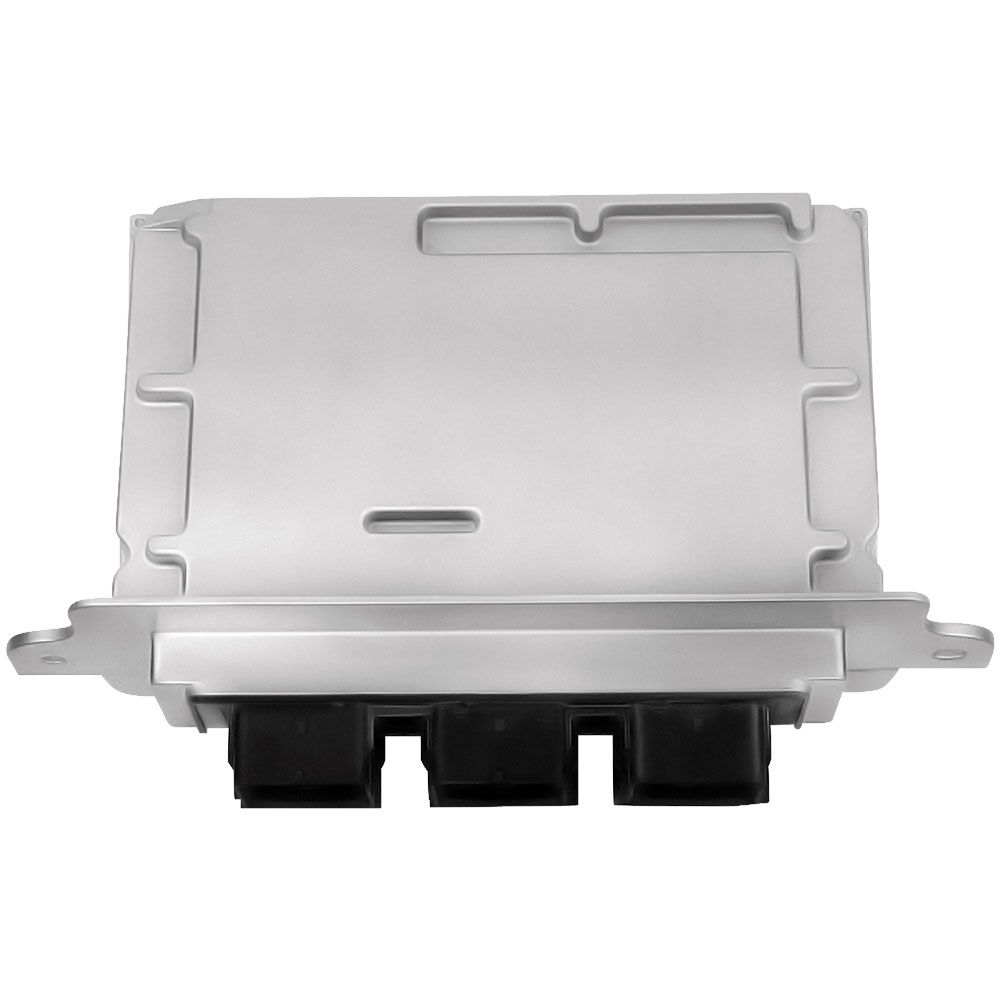
Flagship One stocks a refurbished, VIN-programmed PCM for the 2005 Mercury Mariner with a lifetime warranty, free shipping and no core charge. The full Mercury Mariner module lineup covers other engine configurations as well.
The PCM in your 2005 Mercury Mariner plays a critical role in engine and transmission performance. When it fails, symptoms like stalling, misfires, or a no-start condition can leave you stranded. Understanding the replacement process, labor times, and programming requirements helps you make informed decisions about repairs. Whether you opt for a new or refurbished module, choosing a VIN-programmed unit simplifies the process and ensures compatibility with your vehicle’s systems.